No products in the cart.

Norway imposes ban on AI in elementary school
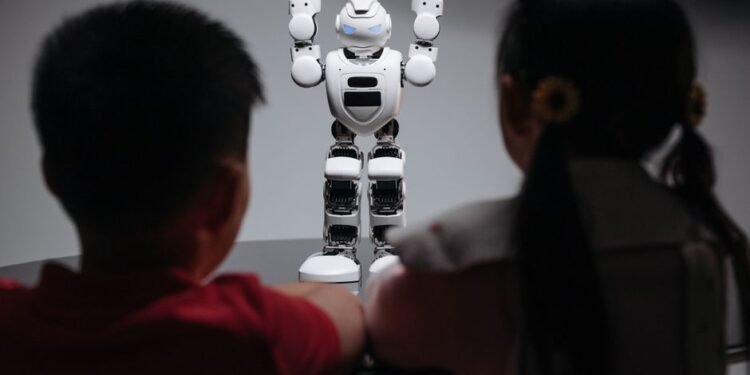
Norway has implemented a near-total ban on the use of generative AI in elementary schools, effective from the upcoming school year in August 2026.

Norway has announced a near-total ban on generative AI in elementary schools. This policy will take effect in August 2026. Prime Minister Jonas Gahr Støre made this announcement at a recent conference. He stressed the importance of foundational learning in reading, writing, and math for young children. The goal is to reduce reliance on AI tools, which may hinder cognitive development and learning outcomes for primary and middle school students.
Under the new policy, students in lower secondary schools can use AI tools, but only with teacher supervision. This initiative shows growing concern among educators and policymakers about technology’s impact on early education. Støre emphasized that children must acquire essential skills before depending on digital aids. He stated, “The most important thing in school is that our children learn to read, write and do mathematics,” highlighting the need for a strong educational foundation.
Impact on Teaching Methodologies and Classroom Dynamics
The AI ban will significantly change teaching methods in Norway’s elementary schools. Educators will need to adjust their lesson plans and strategies to promote learning without AI assistance. This shift may lead to a greater focus on traditional teaching methods, such as hands-on activities, direct instruction, and collaborative learning.
Career Ahead’s analysis suggests that teachers may need to develop new skills to engage students effectively without technology. This could involve creating interactive and participatory classroom environments. For example, educators might use more group projects, discussions, and problem-solving exercises to encourage critical thinking and creativity.
Additionally, the absence of AI tools may help teachers build stronger relationships with their students. This supportive approach can boost student engagement and motivation. It may also help students develop a love for learning that technology can overshadow. As teachers adapt to this transition, professional development programs will be vital. These programs will equip them with the skills and strategies needed for a technology-restricted classroom.
As teachers adapt to this transition, professional development programs will be vital.
Furthermore, the ban may lead to a reevaluation of assessment methods. Educators might need to create new ways to evaluate student progress without AI-driven analytics or automated grading. This could promote a more personalized approach to assessments. Teachers would better understand and support each student’s unique learning journey. As reported by Yahoo, these restrictions aim to ensure that children learn while developing critical thinking skills essential in today’s world.
You may also like
 Education & University Insights
Universities Redefine Campus Architecture for Student Well‑Being
This analysis frames those design choices as systemic levers that reallocate institutional power and reshape career pathways.
Read More →Curriculum Design Changes in Response to the Ban
The AI ban will require significant changes in curriculum design for elementary education in Norway. Educational authorities must ensure the curriculum aligns with the new policy. It should focus on foundational skills while reducing technology’s role in the classroom. Career Ahead research indicates that curriculum developers will likely prioritize subjects that strengthen cognitive skills, such as critical thinking and creativity.
This may involve integrating more experiential learning opportunities, like field trips and hands-on projects. These activities connect classroom learning to real-world experiences. Additionally, the curriculum may adopt a more interdisciplinary approach. This approach encourages students to link different subjects. For instance, a science lesson might include elements of art and math, promoting holistic learning.
Textbooks and learning materials will also need updates to reflect the AI ban. Schools may invest in more physical books and traditional materials to support this shift. This could lead to a resurgence of print media in education, as schools aim to provide tangible resources that enhance reading and comprehension skills.

Moreover, the focus on foundational skills may influence how future educators are trained. Teacher education programs may need to adjust their curricula to prepare new teachers for classrooms that prioritize direct interaction over technology. As noted by sources like English Aawsat, the new standards and policies will be implemented in late August, marking a significant change in Norway’s education approach.
These skills are crucial for their future academic and professional success.
Overall, these curriculum changes reflect a broader trend in educational policy. They seek to enhance cognitive development over technological integration at early learning stages. This shift may set a precedent for other countries to follow. As the world increasingly embraces technology, Norway’s decision may prompt a reevaluation of how educational systems balance digital tools with essential learning skills.
You may also like
 Education & University Insights
Virtual mentorship drives retention gains in higher education
First‑year persistence for four‑year institutions hovers near 81%, leaving a measurable share of students at risk of dropping out.
Read More →The long-term effects of Norway’s AI ban on student cognitive development are still unclear. However, early signs suggest positive outcomes. By focusing on foundational skills, students may develop stronger critical thinking and problem-solving abilities. These skills are crucial for their future academic and professional success. Career Ahead analysis highlights that reducing reliance on AI tools can improve knowledge retention and understanding of complex concepts.
Students who engage in hands-on learning and direct instruction are more likely to internalize information and apply it effectively. Moreover, emphasizing interpersonal skills and collaboration may foster social-emotional development. Students who learn to work together and communicate well are better prepared for the collaborative nature of today’s workforce. However, there are concerns about a potential gap in technological literacy due to the ban. As the world becomes more digital, students will need skills to navigate technology effectively. Balancing foundational learning with technology integration is crucial for preparing students for future challenges.
As Norway’s education system undergoes this significant shift, monitoring the outcomes of the AI ban will be important. Educators, policymakers, and researchers must work together to assess the impact of these changes on student learning and cognitive development over time. This policy shift may spark a larger debate on technology’s role in education. As other nations observe Norway’s experiment, questions will arise about balancing technology with essential skills in the digital age.
Frequently Asked Questions
What strategies can elementary school teachers adopt in light of the AI ban?
Teachers can focus on creating interactive and participatory classroom environments. They should encourage critical thinking and creativity through hands-on activities, group projects, and discussions.
Policymakers should support teachers with professional development programs.
How should education policymakers respond to the AI ban in schools?
Policymakers should support teachers with professional development programs. These programs should emphasize active learning techniques. They must also ensure the curriculum aligns with the new policy, focusing on foundational skills.

What are the implications of the AI ban for curriculum development in elementary education?
You may also like
 Education & University Insights
The Vulnerability of Tenured Professors Amid Financial Cuts
Recent layoffs at The New School highlight a troubling trend affecting tenured professors across the United States, as financial pressures force institutions to reconsider job…
Read More →The AI ban will require significant changes in curriculum design. It will emphasize foundational skills while minimizing technology’s role in the classroom. This may involve integrating experiential learning opportunities and interdisciplinary approaches.