No products in the cart.

The Vulnerability of Tenured Professors Amid Financial Cuts

Recent layoffs at The New School highlight a troubling trend affecting tenured professors across the United States, as financial pressures force institutions to reconsider job security and the concept of tenure itself.

United States — Recent layoffs at The New School have raised concerns about tenured professors in private universities. The school laid off 19 educators, including a notable critic of its policies, due to serious financial issues. This situation reflects a wider trend affecting job security for faculty nationwide.
The layoffs at The New School show a growing vulnerability among tenured professors. This group was once seen as secure in their roles. As universities face increasing financial pressures, the safety net of tenure seems to be weakening. This raises important questions about the future of academic careers and faculty job security.
Financial Instability and Its Effects on Faculty Roles
The financial landscape of higher education has changed dramatically in recent years. Research from publicschoolreview.com shows that many private institutions are facing budget deficits. This leads to tough decisions about faculty positions. Declining enrollment and rising operational costs are forcing universities to rethink staffing strategies.
Career Ahead’s analysis finds that financial instability is not unique to The New School. Many private universities are cutting costs by eliminating tenured positions. These roles were once considered secure. Faculty members are now questioning the long-term stability of their jobs and the meaning of tenure itself.
As institutions focus on financial health over academic integrity, the hiring landscape is shifting. New tenure policies often favor adjunct faculty, who are cheaper to employ. This change risks job security and the quality of education. Adjuncts typically have fewer resources and less institutional support.
The decline of tenure security affects faculty morale and academic freedom. Professors may feel pressured to conform to administrative expectations. This pressure can stifle their ability to critique university policies or advocate for change. Such uncertainty can lead to a less vibrant academic environment, ultimately impacting education quality.
This change risks job security and the quality of education.
You may also like
 Education & University Insights
UP ITI Admission Opens Fifth Phase Applications
The fifth phase of UP ITI admissions for the 2026-27 training session will start on October 6, 2026, and will remain open until midnight on…
Read More →As universities face these financial challenges, the implications for faculty roles are significant. The trend suggests a shift toward a more precarious employment model in academia. Even tenured professors must remain alert about their job security.
Trends in Academic Job Security
The layoffs at The New School are not isolated events. They are part of a larger pattern affecting higher education across the United States. According to weareteachers.com, the concept of tenure is being reevaluated as institutions face financial scrutiny. The traditional view of tenure as protection against arbitrary dismissal is being challenged by economic realities.
Career Ahead research shows that the rise in layoffs among tenured faculty reflects a shift in university priorities. Financial stability is taking precedence over academic norms. This trend raises concerns about academic freedom and professors’ ability to engage in critical discourse without fear of repercussions.
As universities adapt to these new realities, the role of tenure is being redefined. The promise of job security for professors is being replaced by a more flexible, uncertain employment model. This change may lead to fewer tenure-track positions, pushing aspiring academics to consider other career paths.
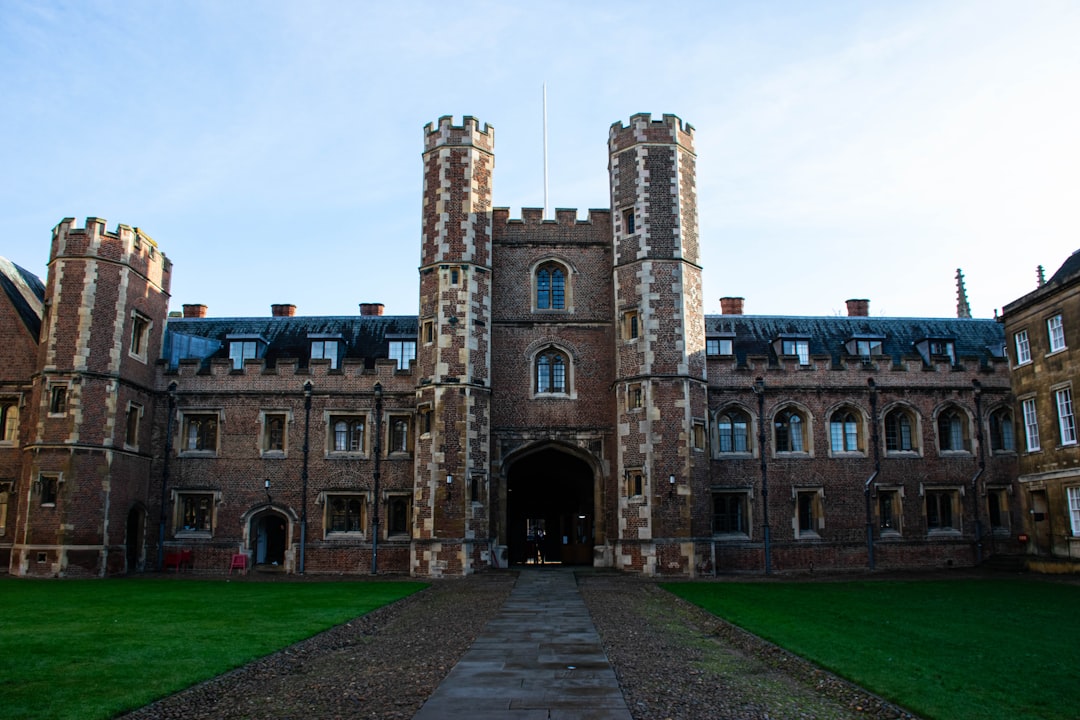
Young professionals may find it harder to secure stable employment in higher education.
The implications for new graduates entering academia are significant. With fewer tenure-track positions, competition for these roles will increase. Young professionals may find it harder to secure stable employment in higher education. This shift may also discourage talented individuals from pursuing academic careers, further complicating institutions’ efforts to attract and retain quality faculty.
As academia continues to evolve, it remains unclear how these changes will affect education quality and academic institutions. The potential decline in academic freedom and education quality raises urgent questions about the future of higher education.
The Future of Tenure and Academic Employment
The future of tenure in academia is uncertain as financial pressures grow. The layoffs at The New School remind us that even tenured professors are not safe from economic realities. As institutions prioritize financial health, the traditional security of tenure is increasingly questioned.
You may also like
 Education & University Insights
Students Can Access Free Gemini AI and Photoshop in India
Google has launched an offer for university students, providing them with free one-year access to Gemini AI. This includes 400GB of cloud storage and various…
Read More →Career Ahead analysis shows that universities may rely more on adjunct faculty and non-tenure track positions. This trend could transform the academic workforce, affecting education quality and institutional integrity.

Moreover, the changing nature of tenure could create a more competitive job market for aspiring academics. With fewer tenure-track positions, new graduates may find themselves in a vulnerable position. They may have to accept less stable roles without the protections of traditional tenure.
These changes have significant implications for both faculty and students. A reliance on adjunct faculty may compromise education quality. Students could face a diminished academic experience. This shift raises critical questions about the value of a degree and the future of higher education.
Faculty can improve their marketability by diversifying their skills and exploring alternative career paths.
As universities confront these challenges, the future of tenure and academic employment remains uncertain. Ongoing financial pressures may lead to further cuts and changes in hiring practices, raising questions about the long-term viability of traditional academic roles.
Frequently Asked Questions
What should tenured professors do if their university faces financial issues?
Tenured professors should stay informed about their institution’s financial health. They should engage in discussions with administration about potential changes. Understanding the context can help them navigate their roles more effectively.
How can academic faculty prepare for potential layoffs?
Faculty can improve their marketability by diversifying their skills and exploring alternative career paths. Staying connected with professional networks can provide insight into job opportunities outside traditional academia.
You may also like
 Education & University Insights
Anna University Tracks Engineering College Faculty Strength
Anna University has initiated a year-round monitoring program for faculty strength in engineering colleges, affecting approximately 420 institutions across India. The program requires colleges to…
Read More →What are the rights of tenured professors during layoffs?
Tenured professors usually have rights regarding due process and job security, but these can vary by institution. It’s essential for faculty to understand their specific contract terms and institutional policies.