No products in the cart.

Nuclear Waste Management: A Global Imperative
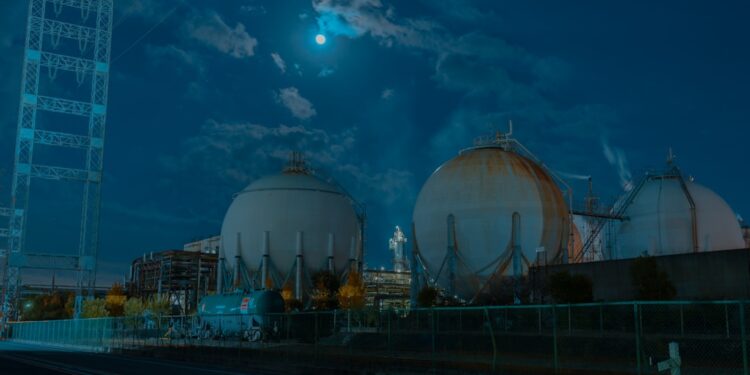
As nuclear energy gains traction, the management of nuclear waste becomes critical. This article delves into global strategies, challenges, and future implications for nuclear waste disposal.

Nuclear Energy’s Resurgence and Waste Challenges
Nuclear energy is experiencing a resurgence as countries seek cleaner energy sources to meet growing demands and reduce carbon emissions. However, this shift raises a critical issue: the management of nuclear waste. The United States generates approximately 2,000 metric tons of high-level nuclear waste annually, with no permanent storage solution in sight.
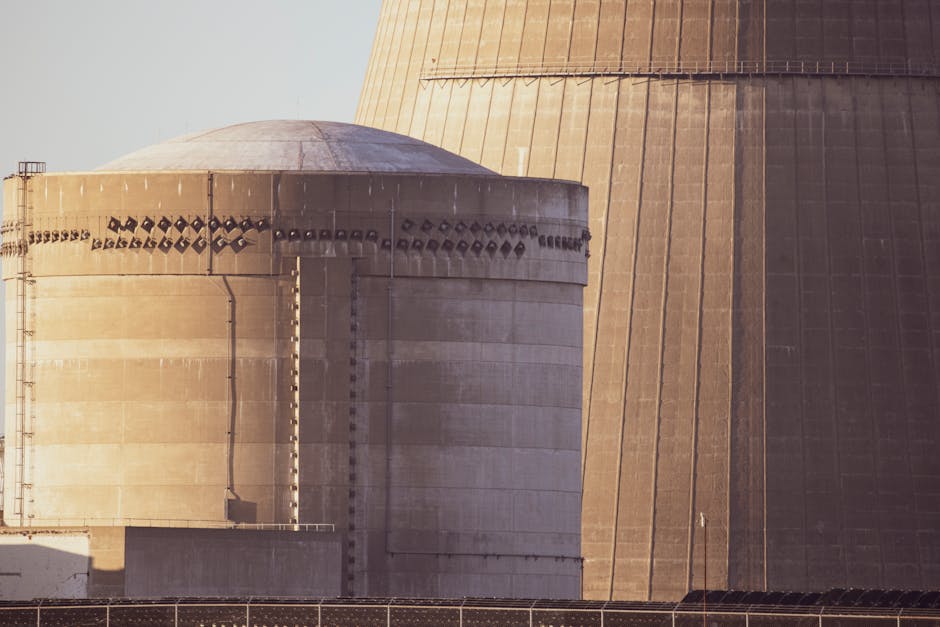
For decades, the nuclear industry has relied on temporary storage methods, such as pools and casks made of steel and concrete, located on-site at nuclear plants. While these methods are deemed safe, they are not intended for long-term use. Many countries are exploring deep geological repositories as a potential permanent solution, but progress has been slow and often politically contentious.
Countries like Finland and France are leading the way in developing long-term nuclear waste solutions. Finland’s Onkalo repository is nearing completion, with operations expected to begin soon, potentially serving as a model for other nations facing similar challenges.
Global Strategies for Nuclear Waste Management
Countries are adopting diverse strategies for nuclear waste management, reflecting their unique political, social, and environmental contexts. Finland’s deep geological repository is designed to safely contain waste for thousands of years, showcasing the country’s commitment to transparency and public engagement through extensive consultations with local communities.
In contrast, France has a well-established program for reprocessing spent fuel, which separates usable materials from waste. While this method reduces waste volume, it does not eliminate the need for long-term storage solutions. France plans to construct a new repository to manage the residual waste from reprocessing, with pilot operations expected to commence by 2035.
The nuclear industry must balance the costs of waste management with the economic benefits of nuclear energy production.
Meanwhile, the United States faces significant political hurdles regarding its waste management strategy. The Yucca Mountain project, designated as a repository site in 1987, has stalled due to ongoing political opposition, resulting in the continued accumulation of nuclear waste at reactor sites and raising safety and environmental concerns.
You may also like
 Government & Policy
Wall Street’s $10 billion India hospital bet sparks a fight over bills | Career Outlook
Wall Street's $10 billion investment in Indian hospitals raises concerns about rising healthcare costs and access to care, mirroring challenges in the U.S. healthcare system.
Read More →Economic Considerations in Waste Management
The economic implications of nuclear waste management are complex. Investment in waste disposal facilities requires substantial financial resources, which can deter governments from pursuing long-term solutions. The nuclear industry must balance the costs of waste management with the economic benefits of nuclear energy production.
According to a report by the International Atomic Energy Agency (IAEA), managing nuclear waste can cost billions of dollars over a reactor’s lifetime. This financial burden often leads to debates about the sustainability of nuclear energy. Countries must weigh the immediate economic advantages of nuclear power against the long-term costs of waste management.
Additionally, the growth of nuclear energy is attracting interest from private investors and tech companies. As energy demand rises, particularly with the expansion of data centers, the nuclear sector is poised for growth. However, without a clear waste management strategy, this expansion could lead to more significant challenges in the future.
Debates and Public Perception
The discourse surrounding nuclear waste management is filled with contradictions. Proponents argue that nuclear energy is vital for achieving carbon neutrality and advocate for the development of advanced reactors that produce less waste. Conversely, critics emphasize the unresolved waste disposal issue as a major barrier to nuclear energy acceptance.
This disparity raises questions about global leadership in nuclear waste management and the necessity for international cooperation.
While some countries advance their waste management strategies, others remain stagnant. The U.S. has made little progress on Yucca Mountain, while nations like Finland and France are moving forward. This disparity raises questions about global leadership in nuclear waste management and the necessity for international cooperation.
You may also like
 Government & Policy
MSMEs Demand Action on Rising Steel and Metal Prices
Rising material costs have been a persistent issue for MSMEs, which are already grappling with higher prices for diesel, furnace oil, and LPG.
Read More →Public perception plays a significant role in nuclear waste management. Many communities resist hosting nuclear waste facilities due to concerns about environmental and health impacts. This opposition can delay projects and complicate planning processes, highlighting the importance of transparent communication and community involvement.
Innovative Solutions and Future Directions
The future of nuclear waste management is uncertain but critical. As demand for nuclear energy increases, so does the urgency for effective waste disposal solutions. Experts suggest that countries should learn from each other’s experiences and collaborate on best practices for waste management.
Emerging technologies, such as advanced reactors and improved reprocessing techniques, could significantly reduce the volume and toxicity of nuclear waste. Some next-generation reactors are designed to utilize spent fuel more efficiently, potentially minimizing waste production.
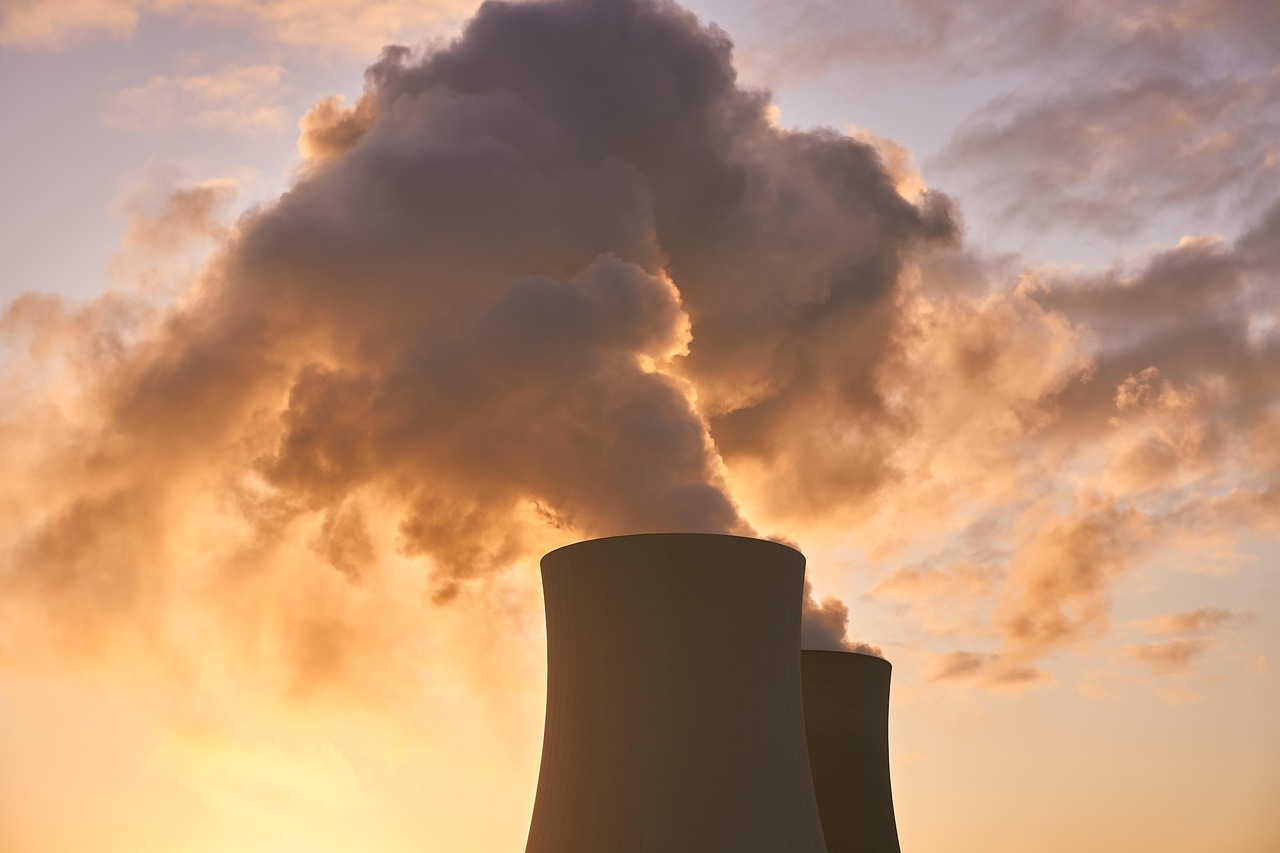
Establishing an independent organization to oversee nuclear waste management, as proposed by some experts, could streamline efforts and enhance accountability. Such an organization could coordinate international initiatives and ensure that best practices are shared across borders.
Career Opportunities in Nuclear Waste Management For young professionals and students interested in energy, nuclear waste management offers unique career opportunities.
Career Opportunities in Nuclear Waste Management
For young professionals and students interested in energy, nuclear waste management offers unique career opportunities. As countries invest in nuclear energy and waste solutions, there will be an increasing demand for experts in environmental science, engineering, and policy. Understanding the complexities of nuclear waste management will be essential for those entering the energy sector.
You may also like
 Government & Policy
SEBI Alerts Investors on Anonymous Tips, Finfluencers
Project Jagrook aims to combat the influence of anonymous financial advisors and so-called "finfluencers," who often provide misleading advice to unsuspecting retail investors.
Read More →Interdisciplinary approaches that combine technical expertise with public policy and community engagement will be crucial. Professionals who can navigate the technical, economic, and social dimensions of nuclear waste management will be well-positioned to influence future strategies and solutions.