No products in the cart.

Nurturing Leaders: Building Essential Skills in Your 20s

Discover practical ways to build your leadership skills in your 20s through community projects and clubs. Embrace the journey of becoming a leader!

In the bustling world of the 21st century, where the lines between industries blur and innovation reigns supreme, the need for effective leadership has never been more critical. For those in their 20s, the journey to becoming a leader can feel daunting. Yet, it’s in these formative years that the seeds of leadership can be sown, often in the most unexpected places.
Imagine this: a small college club, its members huddled around a table cluttered with pizza boxes and half-finished flyers. This isn’t just a gathering of friends; it’s a microcosm of leadership in action. Here, in low-stakes settings, young adults can experiment with ideas, take initiative, and learn from mistakes. Leadership is not reserved for boardrooms or executive suites—it starts in community projects, college organizations, and even casual meetups.
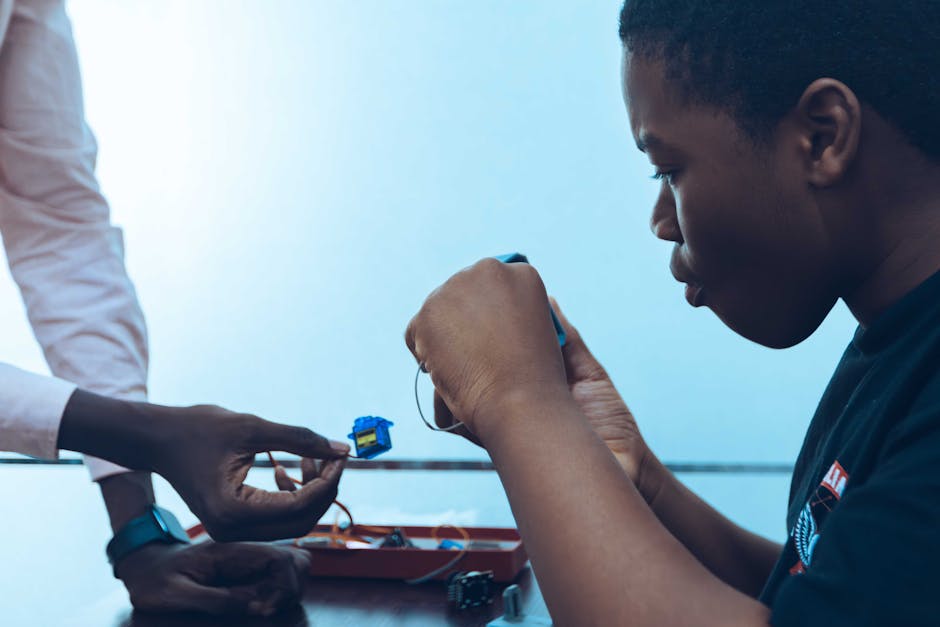
To cultivate leadership skills, one must first understand that it’s a journey, not a destination. According to Dr. Linda Hill, a professor at Harvard Business School and author of Collective Genius, effective leaders are those who can empower others. “Leadership isn’t about being in charge; it’s about creating an environment where people can thrive,” she explains. This perspective is crucial for young adults stepping into leadership roles.
 Career Development
Bridging the Skills Gap: The Future of Work in India
India's job market is rapidly evolving, requiring a unique blend of technical and soft skills. Insights from Deloitte highlight the…
Read More →One of the most effective ways to practice leadership is through involvement in community projects. Whether it’s organizing a charity event, leading a volunteer group, or initiating a campus awareness campaign, these experiences offer invaluable lessons. For instance, when Sarah, a 23-year-old recent graduate, organized a local food drive, she faced unexpected challenges: from securing donations to managing volunteers. Yet, each obstacle became a lesson in resilience and adaptability. “I learned that leadership is about being calm in the storm,” she reflects. “You can’t control everything, but you can control how you respond.”
To cultivate leadership skills, one must first understand that it’s a journey, not a destination.
Furthermore, clubs and organizations at universities provide a rich ground for leadership development. Consider the case of a student-led environmental club at a university in California. The president, James, started by simply attending meetings. But as he grew more comfortable, he took on projects, from campus clean-ups to advocacy for sustainable practices. His leadership style? Collaborative and inclusive. “I always wanted everyone to feel part of the process. It’s not just about me leading; it’s about us leading together,” he shares.
But what happens when things don’t go as planned? Failure is often seen as a setback, but in the realm of leadership, it can be a powerful teacher. Research shows that leaders who embrace failure as a learning opportunity are more likely to succeed in the long run[1]. This idea resonates with many young adults who fear failure. It’s important to remember that even the most celebrated leaders faced their share of setbacks.
In addition to community involvement, leadership can also be honed through mentorship. Seeking guidance from established leaders can provide fresh perspectives and invaluable advice. A mentor can help navigate the complexities of leadership challenges and inspire young adults to cultivate their own unique styles. For instance, Maria, a 25-year-old entrepreneur, credits her mentor with helping her develop her business acumen. “Having someone to bounce ideas off and who believes in you can make all the difference,” she explains.
 Career Development
Digitalization’s Double-Edged Sword: Opportunity or Inequality?
Digitalization is transforming the global job landscape, offering new opportunities but also deepening existing inequalities. What does this mean for…
Read More →Moreover, digital innovation is reshaping how leadership is perceived and practiced. With the rise of remote work and online communities, young leaders have the opportunity to lead diverse teams across the globe. Platforms like Slack and Zoom have transformed traditional leadership dynamics. Today’s leaders must adapt to virtual engagement, learning to motivate and inspire from a distance. “Leading online requires different skills,” says Dr. Hill. “You must be intentional in your communication and create opportunities for connection.”
As we look to the future, the landscape of leadership will continue to evolve. Young adults must prepare for a world where adaptability, emotional intelligence, and inclusivity are paramount. The leadership skills developed in these early years will not only shape their careers but also influence their communities and industries.
The leadership skills developed in these early years will not only shape their careers but also influence their communities and industries.
Ultimately, leadership is about connection. It’s about building relationships and fostering environments where everyone feels empowered to contribute. Whether through community projects, clubs, or digital platforms, there are countless opportunities for young adults to step into leadership roles. The journey may be filled with challenges, but it is also rich with rewards.
 Business Innovation
Coworking Spaces Surge as Remote Work Evolves
Coworking spaces are witnessing a surge in demand as remote work trends evolve. This shift is reshaping office landscapes and…
Read More →So, for those in their 20s, the call to lead is clear: embrace the opportunities around you. Start small, learn from others, and don’t shy away from failure. Each step you take will bring you closer to becoming the leader you aspire to be.