


US — A significant shift is underway in medical education as nutrition will now be a required subject in medical schools. This change comes after pressure from Robert F. Kennedy Jr., who has long advocated for a stronger emphasis on nutrition in healthcare training. The decision was made by an accrediting body overseeing medical schools, which has recently updated its guidelines to include nutrition as a core component of the curriculum.
The new requirement reflects a growing recognition of the role nutrition plays in preventing and treating various health conditions. According to the updated standards, medical students will now receive formal training in nutritional science, which is expected to enhance their ability to provide comprehensive patient care.
This move is not just a response to Kennedy’s activism; it also aligns with broader trends in healthcare. Many healthcare professionals argue that a lack of nutritional education has contributed to the growing rates of obesity, diabetes, and other diet-related diseases in the US. According to a report from the Centers for Disease Control and Prevention (CDC), nearly 40% of American adults are classified as obese, highlighting the urgent need for better nutritional guidance in medical practice.
Nutritional Education and Healthcare Outcomes
The integration of nutrition into medical training could lead to more healthcare providers who are equipped to address dietary issues in their patients. This, in turn, may influence public health initiatives aimed at reducing chronic diseases linked to poor nutrition. As noted by The New York Times, ‘The change in medical school curriculums comes amid other significant developments in the healthcare sector.’
Many healthcare professionals argue that a lack of nutritional education has contributed to the growing rates of obesity, diabetes, and other diet-related diseases in the US.
Furthermore, the ongoing discussions about healthcare reform in the US add another layer of complexity to this shift. With the Biden administration pushing for broader healthcare access, the emphasis on nutrition education could complement efforts to improve health outcomes across the nation. This integration of nutrition into medical training aligns with the administration’s goals of enhancing preventive care and reducing healthcare disparities.
Implementation and Future Impact
While the push for nutrition education in medical schools is a positive step, it raises questions about the implementation of these new standards. How will medical schools adapt their curriculums to incorporate this requirement? Will there be enough qualified instructors to teach these courses effectively? These concerns are critical as educational institutions work to meet the new guidelines.
According to Bloomberg, the Trump administration recently restructured tariffs on metals, which could impact healthcare costs indirectly. As reported, ‘The administration’s decisions on tariffs can affect the prices of medical equipment and supplies, potentially influencing the overall costs of healthcare services.’
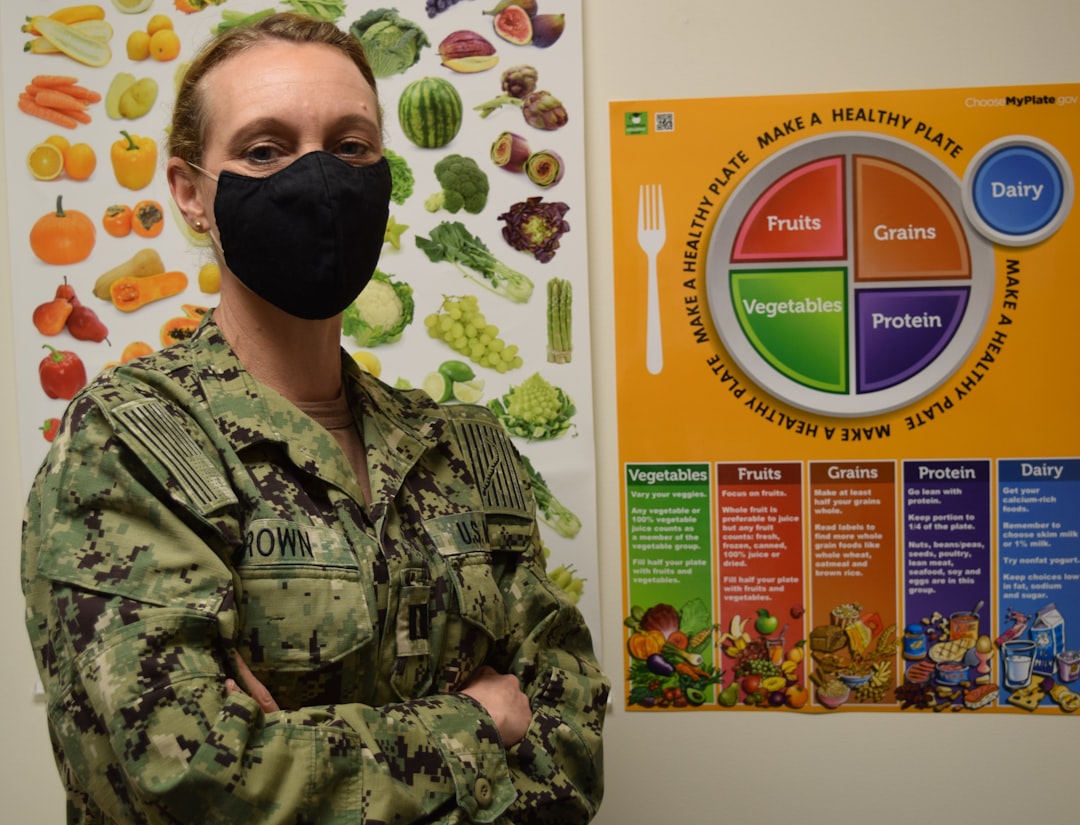
The long-term impact of this change on healthcare outcomes remains to be seen. Will better-trained physicians lead to a significant reduction in diet-related health issues? The answer to this question could shape future healthcare policies and the overall approach to patient care.
 Career Guidance
What to Do in Your First Ninety Days at a New Job
Build trust before chasing quick wins: observe the workplace, ask colleagues for guidance and increase your contribution through reliable delivery.
Read More →This shift in medical education comes at a time when public interest in nutrition is also rising. Many patients are increasingly seeking guidance on dietary choices, and healthcare providers who can offer informed advice are likely to be in higher demand. As nutrition becomes a standard part of medical training, patients may expect their doctors to provide comprehensive dietary recommendations alongside traditional medical treatments.
These concerns are critical as educational institutions work to meet the new guidelines.
Sources: Bloomberg, Bbc.
Written by Career Ahead AI. AI can make mistakes, so verify key facts. Report errors to support@careeraheadonline.com.





