No products in the cart.

Nvidia Collaborates with LG on Humanoid Robots, Data Centers
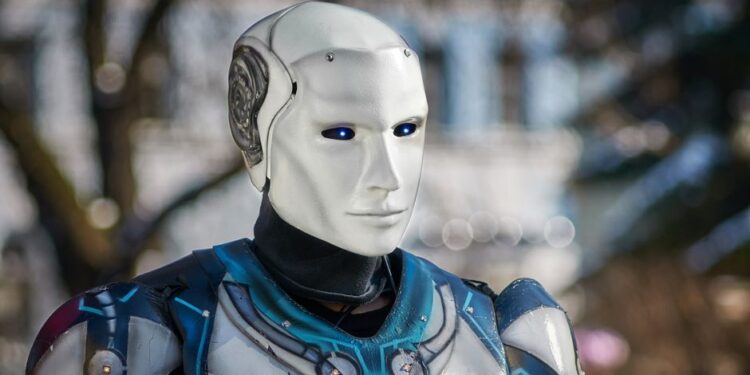
Nvidia and LG are joining forces to revolutionize humanoid robotics and data center technologies, aiming to set new benchmarks in AI integration across various industries.

Nvidia is partnering with LG to advance the development of humanoid robots and innovative data centers, as announced by CEO Jensen Huang during a recent press event in Seoul. This collaboration is expected to enhance the capabilities of humanoid robotics and improve data management systems, marking a pivotal moment in the integration of AI and robotics.
The partnership comes at a time when the demand for advanced robotics solutions is increasing across various sectors, including healthcare, manufacturing, and service industries. LG’s expertise in motor technology and mechanical systems will complement Nvidia’s cutting-edge AI technologies, potentially leading to breakthroughs in humanoid robot functionality. As reported by Reuters, this collaboration is part of Nvidia’s broader strategy to engage with various global players in the robotics field, including US and European manufacturers, to expand its influence in the market.
Transforming Humanoid Robot Design
The collaboration between Nvidia and LG aims to push the boundaries of humanoid robot design. As both companies work together, they will focus on enhancing the motor technology and mechanical systems that drive these robots. This could enable robots to perform tasks that require greater dexterity and precision, making them more effective in real-world applications.
The integration of Nvidia’s AI capabilities with LG’s mechanical expertise could lead to robots that not only mimic human movements but also learn and adapt to their environments, a crucial aspect for applications in dynamic settings like hospitals and homes. Engineers specializing in robotics will need to adapt their skills to include advanced AI programming and machine learning techniques. This means that educational institutions may need to update curricula to prepare students for these emerging trends in robotics.
Furthermore, as highlighted by IBTimes, the collaboration is expected to set a new standard in the humanoid robotics sector, potentially influencing how future robots are designed and utilized across various industries. The design of humanoid robots will likely require a multidisciplinary approach, combining insights from robotics, AI, and human-computer interaction.
Engineers specializing in robotics will need to adapt their skills to include advanced AI programming and machine learning techniques.
You may also like
 AI & Technology
Feds Cook sees AI inflationary push as a top 2027 risk
Federal Reserve Governor Lisa Cook highlights AI as a significant inflationary risk for 2027, emphasizing the potential for persistent supply shocks and the need for…
Read More →This convergence of fields suggests that future robotics engineers will need to be proficient in software development, hardware design, and user experience principles. As the technology matures, it may also lead to the creation of new roles within the industry, such as AI ethicists, who will focus on the implications of deploying humanoid robots in everyday life.
This evolution in humanoid robot design not only presents exciting opportunities for engineers but also raises questions about the ethical implications of deploying such technology in everyday life. As these robots become more integrated into society, considerations around their roles and responsibilities will become increasingly important. The potential for humanoid robots to assist in caregiving, for instance, brings forth discussions about the emotional and psychological impacts on both the users and the robots themselves.
Advancements in Data Center Technology
Alongside humanoid robotics, Nvidia and LG’s partnership will also focus on architecting future data centers. As AI applications continue to grow, the demand for efficient and powerful data centers is more critical than ever. Nvidia’s expertise in AI computing will play a vital role in optimizing data center operations, making them more efficient and capable of handling large volumes of data.
The integration of AI into data center management systems can lead to smarter resource allocation, predictive maintenance, and enhanced security protocols, addressing the increasing complexity of managing vast amounts of data. Data centers will need to evolve to support the increasing computational demands of AI-driven applications. This includes adopting advanced cooling technologies, energy-efficient designs, and scalable architectures.
As noted by CNBC, the partnership aims to create data centers that not only support current needs but are also future-proofed against the rapid advancements in technology. Career Ahead research identifies that data center technicians will need to enhance their skills in managing these new technologies, particularly in areas such as cloud computing and AI integration.
Career Ahead research identifies that data center technicians will need to enhance their skills in managing these new technologies, particularly in areas such as cloud computing and AI integration.
You may also like
 AI & Technology
Amazon Invests $1 Billion Amid AI Data Center Criticism
This significant financial commitment comes as Amazon faces increasing scrutiny over the environmental impact of its AI operations.
Read More →As companies like Nvidia and LG lead the way in developing next-generation data centers, there will be a growing need for technicians who can implement and maintain these advanced systems. This shift will create new job opportunities for skilled professionals who can navigate the complexities of modern data center environments. Furthermore, the integration of AI in data centers can lead to significant improvements in operational efficiency. Automated systems can optimize resource allocation, reduce energy consumption, and enhance overall performance.
The collaboration between Nvidia and LG not only highlights the technological advancements in robotics and data management but also underscores the importance of continuous learning and adaptation in these fields. As the industry evolves, professionals will need to stay updated on the latest trends and technologies to remain competitive.
Skills for the Future Workforce
The next few years will be critical for the robotics industry as Nvidia and LG’s partnership unfolds. Observers should watch for new developments in humanoid robot capabilities and data center innovations, as these advancements will likely set the stage for the next wave of technological progress.
Skills for the Future Workforce The next few years will be critical for the robotics industry as Nvidia and LG’s partnership unfolds.
Robotics engineers working on humanoid robots need a blend of skills in AI programming, mechanical design, and human-computer interaction. Understanding machine learning and robotics software is essential for developing advanced robotic systems. Data center technologies will evolve to support AI’s growing computational needs, focusing on energy efficiency and scalability. Technicians will require skills in cloud computing and AI integration to manage these advancements effectively.
As the landscape of technology continues to shift, professionals in both robotics and data management must embrace lifelong learning to adapt to new tools and methodologies. This partnership between Nvidia and LG is expected to inspire further research and development in AI and robotics, potentially leading to new innovations that could redefine how data centers operate and how humanoid robots are utilized across various sectors.
You may also like
 AI & Technology
OpenAI Dismisses 3 Researchers Over Confidentiality Breach
OpenAI has fired three AI safety researchers after an internal investigation found they mishandled sensitive company information. This incident raises concerns about confidentiality and trust…
Read More →