No products in the cart.

Nvidia RTX Spark Transforms Windows Device Landscape
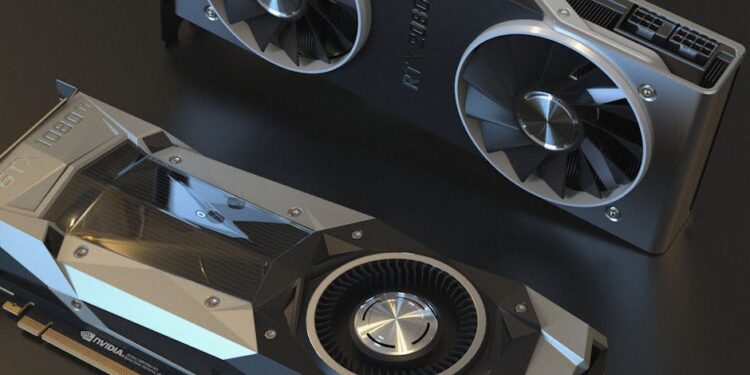
Nvidia's RTX Spark chip is set to revolutionize Windows devices, promising enhanced performance and battery life while posing significant cost challenges. The shift to ARM architecture will require developers to adapt their skills and workflows, impacting the global tech landscape.

Nvidia’s introduction of the RTX Spark chip marks a pivotal moment for Windows, akin to Apple’s M1 launch. This new architecture promises to enhance performance and battery life in Windows devices, but it also comes with significant cost implications. As the tech industry shifts, both software developers and hardware engineers will need to adapt to this evolving landscape.
The RTX Spark superchip features an impressive specification, boasting 20 CPU cores and 6,144 GPU CUDA cores, positioning it as a formidable competitor in the laptop chip market. This launch is particularly significant as it may lead to a new era of ARM-based Windows devices, potentially mirroring the success Apple has achieved with its M1 chips. However, the associated costs for these new devices could be a barrier for many consumers.
Shifting Paradigms: The Demand for ARM Knowledge
The introduction of the RTX Spark superchip is likely to create a surge in demand for knowledge related to ARM architecture among software developers. Historically, Windows devices have relied heavily on x86 architecture, but the move towards ARM signifies a major shift in how software is developed and optimized. Developers will need to familiarize themselves with the nuances of ARM programming to fully leverage the capabilities of the new hardware.
Career Ahead analysis finds that as Nvidia’s RTX Spark chips roll out in the fall of 2026, developers will need to focus on optimizing their applications for ARM. This includes understanding how to utilize APIs like DirectML and ONNX Runtime for AI functionalities, which are integral to capitalizing on the chip’s capabilities. The transition will not only impact existing applications but also necessitate a rethinking of how new apps are designed from the ground up.
In addition to technical skills, developers will need to adapt their workflows to accommodate the changes brought by ARM architecture. This could mean revising testing protocols and deployment strategies to ensure compatibility and performance on the new devices. The complexity of this transition may also lead to a temporary slowdown in development cycles as teams adjust.
Moreover, the cost implications of transitioning to ARM-based development cannot be overlooked. As noted by Neowin, the pricing for devices featuring the RTX Spark could start at $2,000 and go much higher, impacting the budget for development teams and potentially limiting access for smaller companies or independent developers. This shift may create a divide in the industry, favoring larger firms with the resources to invest in new technology.
In addition to technical skills, developers will need to adapt their workflows to accommodate the changes brought by ARM architecture.
Cost Implications and Market Dynamics
You may also like
 AI & Technology
Beam Unveils Affordable AI Model to Disrupt Competitors
Reflection AI's Beam model, launched on October 5, 2026, is set to disrupt the AI market by offering a cost-efficient alternative to leading Chinese models.…
Read More →The anticipated costs associated with the new RTX Spark devices will have significant implications for both hardware engineers and consumers. The price points for these new laptops, such as the Surface Laptop Ultra, are expected to range from $2,500 to $4,500, making them a premium offering in the market. This pricing strategy could limit the adoption of ARM-based devices among average consumers and small businesses.
As highlighted by XDA-Developers, the introduction of high-end ARM laptops may not follow the same trajectory as Apple’s M1 launch, which included more affordable options like the Mac Mini and MacBook Air. Instead, Nvidia seems to be positioning its products at the higher end of the market, which could stifle early adoption and developer enthusiasm. If developers do not have access to these devices, the incentive to create optimized applications may diminish.
Furthermore, the competition in the ARM laptop space will intensify as Nvidia enters the fray. With existing players like Qualcomm and Intel already established, the market dynamics will shift significantly. Hardware engineers will need to stay informed about the competitive landscape, as this could influence design choices and component sourcing for new devices.
Additionally, the introduction of the RTX Spark could lead to increased costs for hardware engineering teams. As companies invest in new technologies, the demand for specialized skills in ARM architecture will rise. This may necessitate higher salaries or additional training for engineers, further driving up the costs associated with developing new products.
As companies invest in new technologies, the demand for specialized skills in ARM architecture will rise.
The potential for gaming on ARM is another area that could see significant changes. With Nvidia collaborating with game developers to optimize titles for ARM architecture, the landscape for gaming on Windows devices may evolve. This could create new opportunities for software developers who specialize in gaming, but it may also require them to rapidly adapt to new tools and frameworks.
Future Outlook: What Lies Ahead for Windows Ecosystem
As the launch of the RTX Spark approaches, the Windows ecosystem stands at a crossroads. The success of this new architecture hinges on several factors, including developer support, consumer adoption, and the overall performance of the devices. If Nvidia can deliver on its promises of enhanced performance and efficiency, it could reshape the competitive landscape of Windows laptops.
You may also like
 AI & Technology
A.I. Boom Defies High Interest Rates, Challenges Fed
In the last quarter, AI startups attracted over $10 billion in venture capital, a figure that highlights the ongoing investor interest despite economic headwinds.
Read More →However, the high cost of entry may deter many potential users. If the RTX Spark devices do not gain traction, it could lead to a stagnation in ARM development for Windows, echoing concerns raised by industry analysts. The long-term viability of ARM in the Windows space will depend on how well Nvidia addresses these challenges.
Career Ahead research identifies that the next few months will be critical for both hardware engineers and software developers. As new devices are released, the demand for ARM expertise will likely grow, creating a competitive environment for talent acquisition. Companies that can effectively navigate this transition will gain a significant advantage in the market.
Ultimately, the introduction of the RTX Spark is not just about new hardware; it represents a philosophical shift in how Windows devices are built and optimized. As the industry moves forward, the question remains: will the benefits of this new architecture outweigh the costs, and how quickly will the market adapt to these changes?
Career Ahead analysis shows that hardware engineers will need to adapt to new design requirements for ARM architecture.
Frequently Asked Questions
What does the RTX Spark launch mean for hardware engineers?
Career Ahead analysis shows that hardware engineers will need to adapt to new design requirements for ARM architecture. As the market shifts, engineers must familiarize themselves with ARM-specific components and optimize their designs for enhanced performance.
How should software developers adapt to the new Windows architecture?
Software developers must learn to optimize their applications for ARM, utilizing APIs like DirectML and ONNX Runtime. This transition will require a shift in development practices and may lead to longer development cycles initially.

What skills are necessary for developing applications on the new Windows platform?
Developers will need to acquire knowledge in ARM architecture and familiarize themselves with new development tools and frameworks. Understanding performance optimization for ARM-based devices will be crucial for ensuring application compatibility.
You may also like
 AI & Technology
DeepSeek Closes AI Gap with US Rivals to 3%
Chinese AI firm DeepSeek has successfully narrowed the performance gap with leading US AI models to just 3%, signaling a significant shift in the global…
Read More →