No products in the cart.

Nvidia’s RTX Spark Superchip Disrupts CPU Market
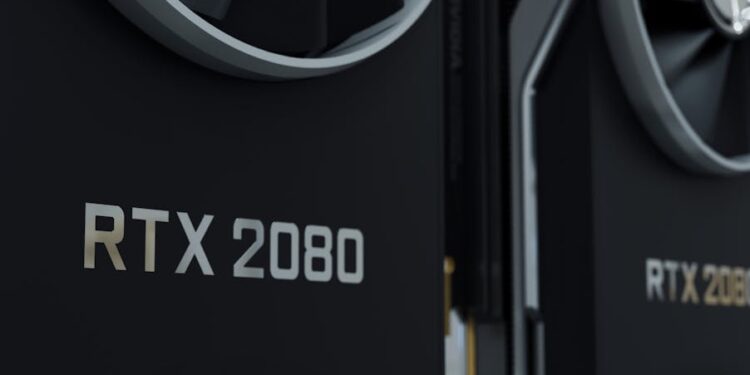
Nvidia's RTX Spark superchip aims to revolutionize the $200 billion CPU market, powering AI agent PCs from major brands and challenging established players like Intel and AMD.

Nvidia has officially launched its new CPU, the RTX Spark superchip, at the Computex trade show on June 1, 2026. This innovative chip is designed to power AI agent PCs from leading manufacturers such as Microsoft, Dell, and HP, marking Nvidia’s ambitious entry into the $200 billion CPU market.
The RTX Spark boasts impressive specifications, with a performance capability of 1 petaflop, making it ideal for running advanced AI agents securely. Nvidia’s founder and CEO, Jensen Huang, envisions a future where users can interact with their devices through voice commands, eliminating the need for traditional input methods. This shift not only enhances user experience but also signifies a major leap toward intuitive computing interfaces.
Revolutionizing CPU Design
Nvidia’s foray into the CPU market represents more than just a hardware launch; it signifies a strategic shift in computing design. The RTX Spark is engineered to support local versions of large language models, necessitating hardware engineers to adapt their designs to meet the unique demands of AI processing. This includes optimizing for both CPU and GPU integration, leveraging Nvidia’s CUDA software to enhance performance.
According to industry analysis, AI-driven CPUs will require hardware engineers to develop new skills focused on AI hardware optimization. This includes expertise in AI algorithms, machine learning, and the integration of AI capabilities into traditional computing systems. As competition in CPU development intensifies, Nvidia’s challenge to established players like Intel and AMD could prompt these companies to accelerate their own AI-capable processor developments, leading to rapid innovations in CPU technology.
Implications for Enterprise IT Managers
Nvidia’s AI agent PCs present significant opportunities for enterprise IT managers. These systems can run powerful AI applications locally, enhancing productivity and streamlining workflows. IT departments will need to reassess their infrastructure strategies to fully leverage these new systems.
According to industry analysis, AI-driven CPUs will require hardware engineers to develop new skills focused on AI hardware optimization.
Research indicates that enterprise IT managers will face both challenges and opportunities with AI-driven hardware. They must evaluate how these PCs integrate into existing IT ecosystems, ensuring compatibility and security while maximizing performance. This may involve upgrading networks to accommodate the increased data processing demands of AI applications. Collaborating with Microsoft to develop secure sandboxes for AI agents is crucial for maintaining data integrity and security.
You may also like
 AI & Technology
Data‑driven overhaul reshapes career‑guidance landscape
Career guidance is entering a systemic realignment as a 70% organizational tipping point forces.
Read More →The introduction of secure sandboxes, developed in partnership with Microsoft, offers a significant advantage for businesses. IT managers must implement policies to ensure the secure use of AI applications, protecting sensitive data while harnessing the power of AI. As organizations increasingly rely on AI for critical operations, the security aspect becomes paramount.
Moreover, as companies adopt AI technologies, IT managers will need to train staff to effectively utilize these new tools. This includes understanding AI’s impact on job roles and workflows, as well as fostering a culture of innovation. The demand for IT professionals skilled in navigating AI integration complexities is likely to rise, positioning managers with expertise in AI-driven solutions to lead their organizations through this technological transformation.
Market Dynamics and Future Prospects
The launch of Nvidia’s RTX Spark and its AI agent PCs marks a pivotal moment in the tech industry. These developments have the potential to reshape CPU design and enterprise IT strategies. As the market evolves, stakeholders across the tech industry must remain agile, adapting to new developments and anticipating shifts in consumer expectations.
Nvidia’s strategic entry into the CPU market with the RTX Spark superchip not only signifies a technological advancement but also sets the stage for a competitive race among tech giants. This development will influence not just hardware design but also software development practices, as developers will need to create applications that leverage the unique features of AI-driven hardware.
As the implications of this shift resonate across the industry, it is crucial for professionals to stay informed and adaptable in this rapidly changing environment. The arrival of AI agent PCs could redefine how users interact with technology, paving the way for a new era of computing.
The demand for IT professionals skilled in navigating AI integration complexities is likely to rise, positioning managers with expertise in AI-driven solutions to lead their organizations through this technological transformation.
Frequently Asked Questions
What are the implications of Nvidia’s AI agent PCs for CPU design engineers?
Nvidia’s AI agent PCs will require CPU design engineers to focus on AI hardware optimization, integrating AI capabilities into traditional computing architectures. This shift will necessitate new skills in AI algorithms and machine learning.
How should AI product managers adapt to Nvidia’s new offerings?
AI product managers need to understand the unique features of Nvidia’s RTX Spark. They should develop applications that leverage its capabilities, focusing on local processing of AI tasks and ensuring compatibility with existing software.
You may also like
 AI & Technology
OpenAI Fires 3 Researchers for Confidentiality Breach
The termination of three AI safety researchers at OpenAI raises significant concerns about confidentiality and trust in the AI industry, potentially impacting research collaboration and…
Read More →
What steps should enterprise IT managers take to integrate AI agent PCs into their infrastructure?
Enterprise IT managers should assess their IT ecosystems for compatibility with AI agent PCs. They must upgrade networks to support increased data processing demands and implement security protocols to protect sensitive data while using AI applications.