Ocean’s New Frontier: Institutional Pathways to a $3 Trillion Blue Economy
Embedding sustainability into maritime policy is reshaping capital flows, labor markets, and governance structures, making regulatory certainty the linchpin of the blue economy’s projected $3 trillion valuation.
The blue economy’s projected $3 trillion valuation by 2030 masks a structural shift in labor markets, capital flows, and governance. Sustainable ocean stewardship will dictate which economies capture the upside and which risk systemic displacement.
Opening: Global Trajectory of the Blue Economy
The United Nations Conference on Trade and Development (UNCTAD) estimates the blue economy will reach $3 trillion in annual revenues by 2030, generating over 100 million jobs across fisheries, tourism, offshore renewables, and marine biotech [1]. This trajectory is not merely a sectoral expansion; it reflects a systemic reallocation of economic capital from land‑based industries to maritime assets.
Coastal proximity intensifies the stakes: 40 % of the world’s population lives at or within 100 km of a shoreline, making ocean health a determinant of regional economic mobility and social stability [4]. Climate‑induced sea‑level rise, acidification, and plastic pollution threaten the productivity of marine ecosystems, thereby exposing the institutional underpinnings of coastal economies to climate risk. The imperative to “mainstream” blue growth—embedding sustainability into every policy, investment, and labor decision—has therefore become a structural prerequisite for resilient development.
Core Mechanism: Sustainable Resource Utilization
Ocean’s New Frontier: Institutional Pathways to a $3 Trillion Blue Economy
At its core, the blue economy operationalizes sustainable extraction and value‑creation from marine resources. The mechanism hinges on three interlocking pillars:
Resource Stewardship – Fisheries and aquaculture now adopt ecosystem‑based management (EBM) frameworks that align harvest limits with scientific stock assessments. In the Benguela Current Large Marine Ecosystem (BCLME), a joint Angola‑Namibia‑South Africa initiative reduced over‑fishing by 12 % and increased catch value by $1.3 billion within five years, illustrating the economic payoff of calibrated quotas [1].
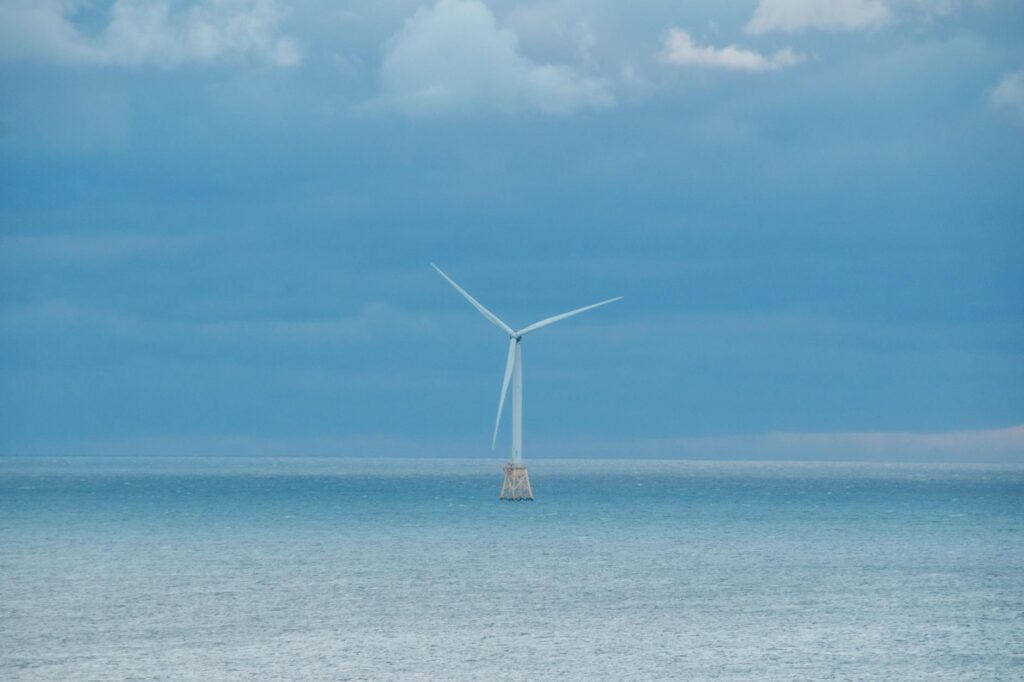
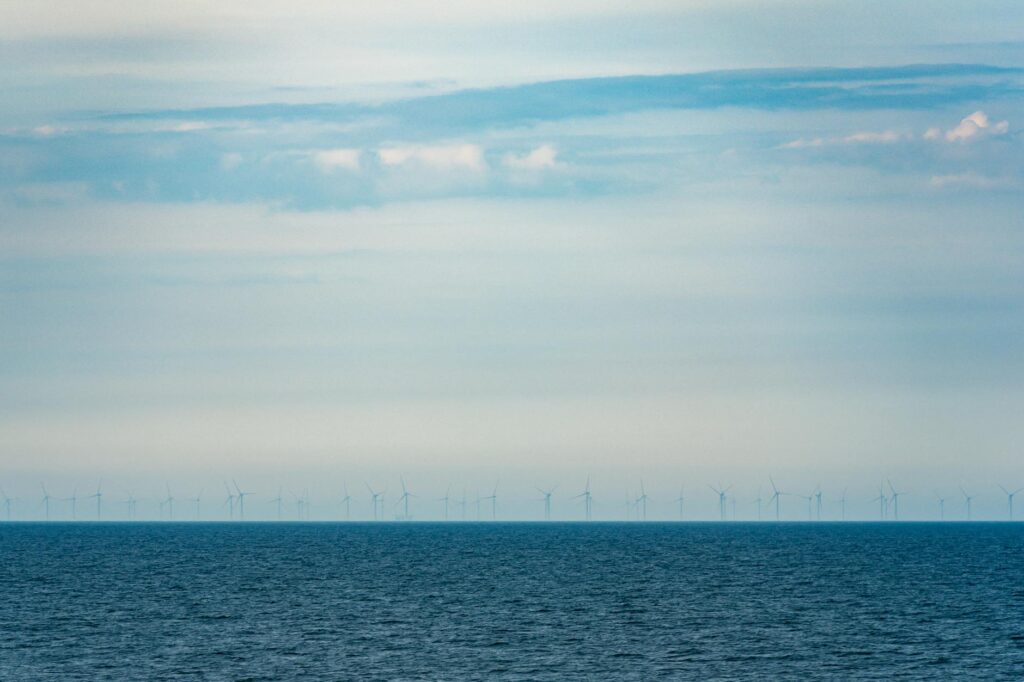
Innovation Frontiers – Offshore wind, marine biotechnology, and blue carbon sequestration represent asymmetric growth vectors. The United States’ offshore wind pipeline, valued at $130 billion, is projected to create ~250,000 direct jobs by 2035, with ancillary demand for marine engineers, grid specialists, and environmental auditors [2].
Governance Architecture – Effective marine protected areas (MPAs) and spatial planning tools embed conservation into the economic calculus. The Pacific’s “Blue Growth” policy network, coordinated by the Pacific Islands Forum, links sovereign MPA designations to conditional climate finance, thereby aligning institutional power with ecological outcomes [3].
These pillars generate a correlation between regulatory certainty and private capital deployment. Institutional investors, guided by the Task Force on Climate‑Related Financial Disclosures (TCFD), now allocate $150 billion to “nature‑positive” maritime projects, a figure that has risen 30 % annually since 2021. The data underscores that policy predictability is a decisive lever for unlocking the blue economy’s financing potential.
Systemic Ripple Effects: From Coastal Livelihoods to Global Supply Chains
The scaling of sustainable ocean activities triggers systemic ripples across multiple strata of the global economy:
Resource Stewardship – Fisheries and aquaculture now adopt ecosystem‑based management (EBM) frameworks that align harvest limits with scientific stock assessments.
Labor Market Reconfiguration – Traditional fishing communities confront a skill‑mismatch externality as mechanized aquaculture and renewable energy demand technical competencies beyond generational knowledge. In Kenya’s coastal districts, a pilot reskilling program shifted 15 % of fishers into offshore wind maintenance roles, raising average household income by 28 % within two years [4].
The failure to finalize the US trade deal poses significant challenges for India's economy. However, the Reserve Bank of India's insights reveal that new free…
Supply‑Chain Realignment – Marine biotech’s rise reshapes pharmaceutical pipelines, with marine‑derived compounds now accounting for 5 % of global drug candidates. This shift reallocates R&D capital from land‑based laboratories to coastal research hubs, prompting universities in Portugal and Chile to expand marine science faculties by 40 % over the past three years.
Social Mobility and Inequality – The diffusion of high‑value blue jobs can enhance economic mobility for coastal youth, but only where institutional pathways—scholarships, apprenticeship schemes, and inclusive licensing—are entrenched. Conversely, regions lacking such scaffolding risk structural exclusion, mirroring the post‑industrial decline observed in former coal towns during the 1980s. The asymmetry is evident in the Caribbean, where 70 % of new blue‑economy positions are concentrated in tourism‑centric islands, leaving inland communities marginalised.
Environmental Feedback Loops – Positive externalities emerge when blue growth reduces terrestrial pressure. For instance, the adoption of offshore aquaculture in Denmark has lowered inland feed crop demand by 10 %, curbing fertilizer runoff and contributing to the EU’s Green Deal targets. However, without robust environmental safeguards, the sector can generate negative spillovers—e.g., poorly sited wind farms disrupting migratory routes, echoing the historical backlash against the 1970s oil pipeline expansions that fragmented indigenous lands.
These ripples underscore that institutional design—the allocation of regulatory authority, financing mechanisms, and capacity‑building programs—determines whether the blue economy amplifies inclusive growth or entrenches existing inequities.
Human Capital and Institutional Power: Careers, Capital, and Leadership
Ocean’s New Frontier: Institutional Pathways to a $3 Trillion Blue Economy
The blue economy’s expansion redefines career capital in three dimensions:
Human Capital and Institutional Power: Careers, Capital, and Leadership
Ocean’s New Frontier: Institutional Pathways to a $3 Trillion Blue Economy
The blue economy’s expansion redefines career capital in three dimensions:
Skill Set Evolution – Emerging occupations—marine spatial planners, blue carbon accountants, offshore robotics technicians—require interdisciplinary curricula blending oceanography, data analytics, and policy acumen. The Ocean Foundation reports a 45 % increase in enrollment for marine sustainability master’s programs globally between 2020 and 2025 [2]. Universities that embed experiential learning with industry partners (e.g., Norway’s Centre for Offshore Renewable Energy) are becoming pipelines for leadership talent.
Capital Mobilization – Institutional investors are channeling asymmetric financing toward blue ventures via blended finance vehicles. The World Bank’s “Blue Climate Fund” leverages $500 million of public capital to de‑risk private equity in sustainable fisheries, catalyzing an estimated $3.5 billion of additional investment. Such structures shift power toward multilateral agencies that can set ESG standards, influencing corporate governance across the sector.
Leadership Structures – Governance of blue initiatives increasingly adopts co‑management models, granting coastal communities formal decision‑making authority alongside state agencies. In the Philippines, the establishment of “People‑Centred Marine Protected Areas” has transferred 30 % of enforcement jurisdiction to local fisherfolk councils, fostering stewardship while reducing illegal catches by 22 %[3]. This redistribution of institutional power creates new pathways for community leaders to ascend to national policy forums.
However, career pathways remain uneven. The United Nations Development Programme (UNDP) notes that only 12 % of blue‑economy jobs in sub‑Saharan Africa are filled by locally trained professionals, indicating a reliance on expatriate expertise and a systemic barrier to domestic economic mobility. Addressing this gap requires coordinated policy—scholarships, vocational standards, and targeted migration incentives—to align labor supply with sectoral demand.
Outlook: Institutional Pathways to 2030 and Beyond
Projecting forward, three structural dynamics will shape the blue economy’s trajectory through 2029:
Regulatory Convergence – The International Maritime Organization’s (IMO) 2023 amendment to the “Zero‑Carbon Shipping” framework will standardize emissions caps, prompting a $70 billion market for low‑carbon vessel retrofits. Nations that embed these standards into national maritime law will attract shipbuilding contracts and associated skilled labor.
Financing Innovation – The rise of “blue bonds”—debt instruments tied to marine conservation outcomes—will expand capital flows. The Caribbean Development Bank’s inaugural blue bond raised $250 million, earmarked for coral reef restoration and sustainable tourism infrastructure. By 2028, the market is projected to exceed $1 trillion, contingent on transparent impact reporting mechanisms.
Human Capital Alignment – Education systems will need to institutionalize marine‑centric curricula at secondary levels.
Human Capital Alignment – Education systems will need to institutionalize marine‑centric curricula at secondary levels. Pilot programs in Kenya and Chile that integrate ocean literacy into high‑school science classes have already improved STEM enrollment by 15 % in coastal districts. Scaling these models will be critical to ensuring a pipeline of qualified workers for the next wave of blue‑economy expansion.
If institutional actors—governments, multilateral banks, and industry consortia—synchronize policy certainty, financing structures, and talent development, the blue economy can deliver inclusive economic mobility for billions of coastal residents while preserving oceanic ecosystems. Conversely, fragmented governance and skill mismatches risk reproducing the displacement patterns of earlier industrial transitions, undermining both environmental and socioeconomic resilience.
Key Structural Insights
> [Insight 1]: Sustainable marine resource management directly correlates with private capital inflows, making regulatory certainty a decisive lever for unlocking the blue economy’s financing potential.
> [Insight 2]: The sector’s systemic ripples—skill mismatches, supply‑chain realignments, and environmental feedback loops—are mediated by institutional design, highlighting the need for inclusive governance frameworks.
> [Insight 3]: Aligning career capital with emerging blue‑economy occupations requires coordinated education, blended finance, and co‑management models that redistribute institutional power to coastal communities.
Career Ahead AI is Career Ahead Magazine's in-house AI newsroom, reporting on careers, education, jobs and business. It produces original summaries and analysis drawn from publicly available sources, with those sources credited, and operates under the editorial oversight of the Career Ahead team. AI can make mistakes, so please tell us when something looks wrong. Corrections, copyright or takedown requests…
Reliance is moving from building India's New Energy infrastructure to commercial execution. From solar manufacturing, batteries and green hydrogen to compressed biogas…
Modern banking is no longer just about financial services—it is increasingly a technology industry powered by infrastructure, artificial intelligence, and regulation. In…
Golden Visas are evolving fast—from Portugal’s policy shift to the UAE’s merit-based model. For Indians exploring global mobility, this 2025 guide compares…


 Government & Policy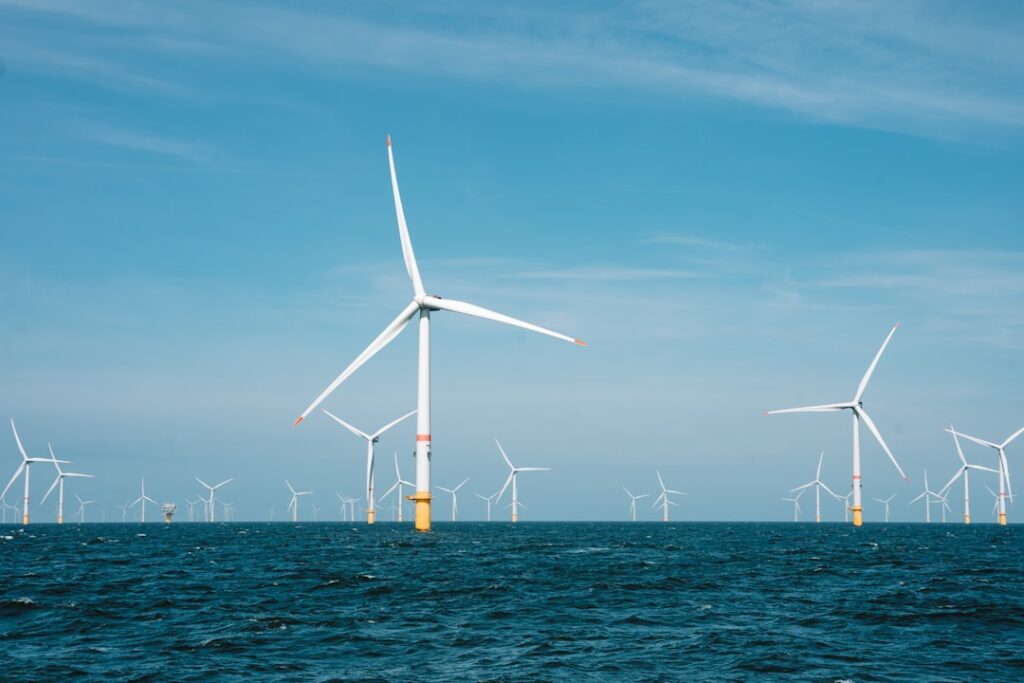
 Entrepreneurship & Business
Government & Policy