No products in the cart.

Oil Prices Fall Sharply After Iran Says Strait of Hormuz Is Open

As of Friday, April 17, 2026, Brent crude was reported at $88 per barrel, down from over $98 earlier in the day. The implications of this announcement are profound. The immediate market reaction to Iran's announcement has been overwhelmingly positive.


Oil prices have taken a significant hit following Iran’s announcement that the Strait of Hormuz is open for commercial shipping. This crucial waterway is responsible for transporting about one-fifth of the world’s oil and liquefied natural gas. The news has sent Brent crude prices plummeting below $90 a barrel, marking a notable decline from previous highs.
As of Friday, April 17, 2026, Brent crude was reported at $88 per barrel, down from over $98 earlier in the day. This sharp decrease reflects market reactions to geopolitical developments in the region, particularly the ongoing ceasefire in the US-Israel conflict with Iran. According to BBC reports, Iranian Foreign Minister Abbas Araghchi confirmed that the passage for all commercial vessels through the Strait of Hormuz is completely open for the duration of the ceasefire.
The implications of this announcement are profound. A stable Strait of Hormuz is vital for global energy security. The region has been a flashpoint for tensions, and any disruption can lead to significant spikes in oil prices. With Iran’s commitment to keeping the strait open, markets are responding positively, with major US stock indices also showing gains.
Market Reactions and Broader Economic Implications
The immediate market reaction to Iran’s announcement has been overwhelmingly positive. According to The Guardian, oil and gas prices fell nearly 10% as traders reacted to the news. This drop is significant, especially considering the volatility that has characterized oil markets in recent months. The reopening of the Strait of Hormuz could lead to a more stable supply chain, which is crucial for both producers and consumers.
Many are hopeful that this development will pave the way for a more stable geopolitical environment in the Middle East.
Furthermore, the announcement has sparked optimism among investors. Many are hopeful that this development will pave the way for a more stable geopolitical environment in the Middle East. If tensions ease, it could lead to a more predictable oil market, which is beneficial for global economic recovery efforts. Bloomberg highlighted that European Central Bank President Christine Lagarde has expressed concerns about inflation risks, which could be exacerbated by fluctuating energy prices. A stable oil market could help mitigate some of these inflationary pressures.
You may also like
 Government & Policy
Sebi Prepares Framework for Closing Auction Session
Sebi is set to introduce a new framework for the Closing Auction Session (CAS) after receiving over 3,500 public comments, aiming to refine market timings…
Read More →However, analysts caution that while the current situation appears favorable, uncertainties remain. The geopolitical landscape in the region is complex, and any sudden shifts could impact oil prices again. For now, the focus remains on how quickly the oil industry can ramp up production and transport through the strait. The New York Times noted that it is unclear how quickly the oil industry in the Persian Gulf would be able to return to normal operations, which adds a layer of uncertainty to the market outlook.
Long-Term Effects on Energy Strategies
The reopening of the Strait of Hormuz has broader implications for the energy sector beyond just immediate price changes. It could influence long-term energy strategies for many countries that rely heavily on oil imports. A stable supply route may encourage countries to increase their reliance on oil from the Gulf region, potentially reshaping global energy dynamics.
Moreover, the news comes at a time when many nations are grappling with inflation and rising energy costs. According to Bloomberg, the ECB’s Lagarde has indicated that the risks to the inflation outlook are tilted to the upside, emphasizing the importance of stable energy prices. A stable oil market could help mitigate some of these inflationary pressures, providing a buffer against economic instability.
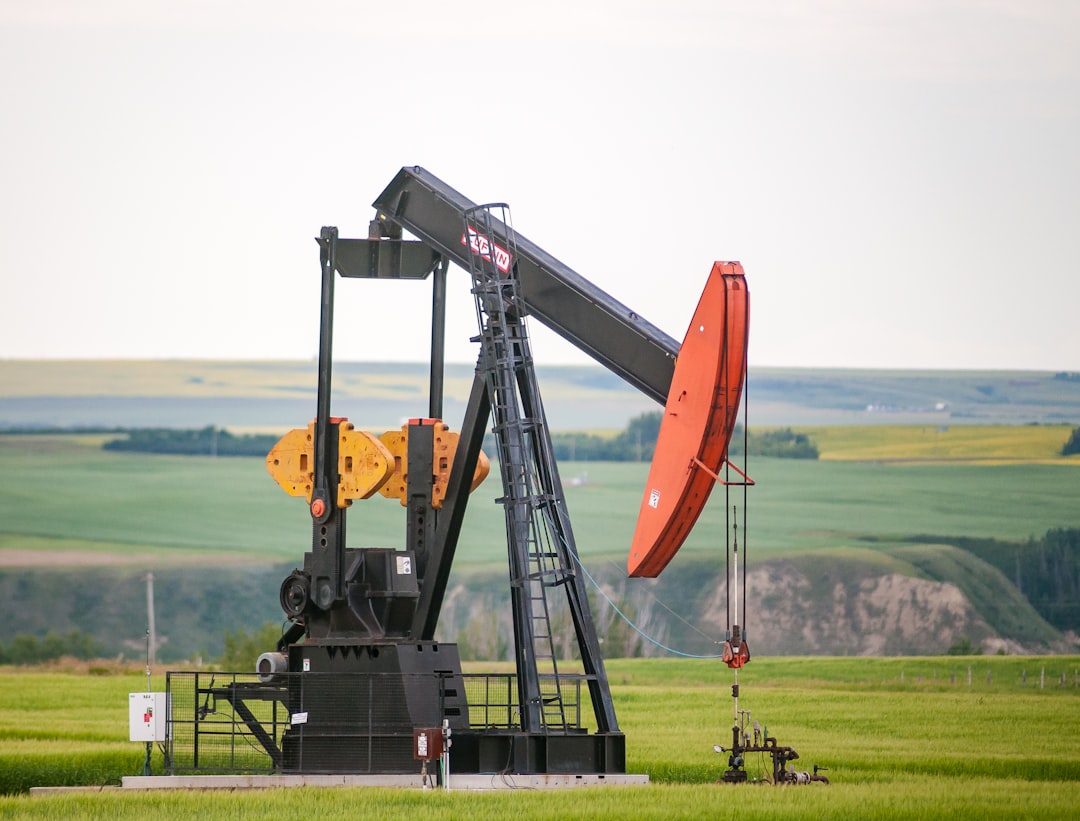
Additionally, the energy transition towards renewable sources may also be affected. If oil prices stabilize, it could slow the urgency for some countries to shift away from fossil fuels. Conversely, sustained low prices might encourage investment in alternative energy sources as countries seek to diversify their energy portfolios. The Guardian pointed out that the dynamics of oil pricing are closely tied to geopolitical stability, and the current situation could either bolster or hinder the transition to greener energy solutions.
However, analysts caution that while the current situation appears favorable, uncertainties remain.
In summary, the reopening of the Strait of Hormuz is a pivotal moment for the global oil market. While the immediate effects are positive, the long-term implications will depend on how geopolitical tensions evolve and how quickly the oil industry can adapt to the changing landscape. The developments in the Strait of Hormuz will be closely monitored in the coming weeks. Will the current stability hold, or will new tensions arise? The answers to these questions will shape the future of the global oil market and its impact on economies worldwide.
You may also like
 Government & Policy
DA Hike 2027: Allowance Soars to 67%
India is set to increase the Dearness Allowance (DA) for government employees and pensioners to 67% in January 2027, responding to rising inflation. This adjustment…
Read More →