No products in the cart.

Oil tumbles 10% as Iran declares strait of Hormuz ‘completely open’ – business live
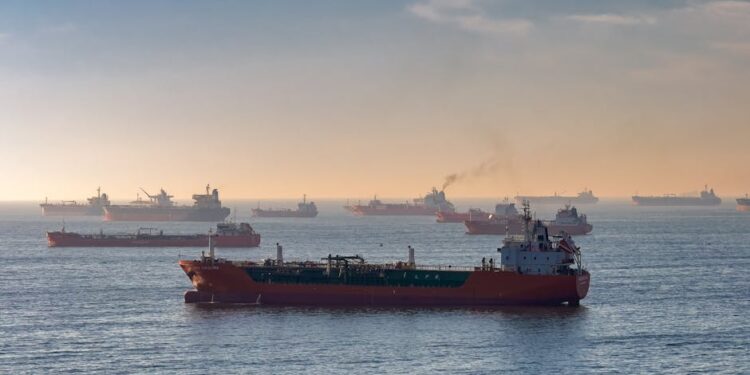
Oil prices plummeted by 10% today after Iran announced the Strait of Hormuz is open for commercial shipping, signaling a potential easing of supply disruptions. This announcement follows a ceasefire agreement between Israel and Lebanon, raising hopes for regional stability.

Oil prices plummeted by 10% today after Iran announced that the Strait of Hormuz is now open for commercial shipping. This declaration follows a ceasefire agreement between Israel and Lebanon, raising hopes for regional stability. Brent crude oil fell below $90 a barrel, while West Texas Intermediate dropped to approximately $85.47, marking a significant shift in the energy market.
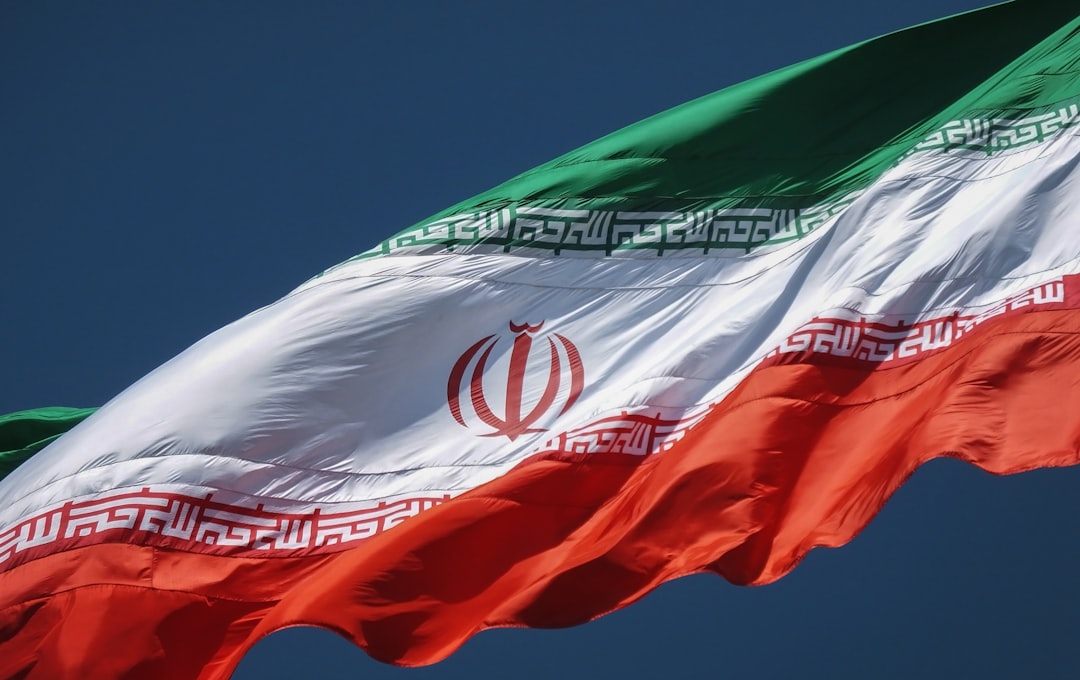
The Iranian Foreign Minister, Seyed Abbas Araghchi, confirmed the reopening of the strait via social media, stating that all commercial vessels can now pass through. This announcement has been met with optimism in the markets, as it signals a potential easing of supply disruptions that have plagued the oil sector in recent weeks. The reopening is expected to enhance the flow of oil and gas from the Gulf, which is crucial for global energy supplies.
According to CNBC, this announcement has led to a notable decrease in oil prices, which had already begun to stabilize following the ceasefire deal. The market had been on edge due to ongoing tensions in the region, and the reopening of the Strait of Hormuz is seen as a critical step towards restoring normalcy in oil supply chains. However, analysts caution that while this development is positive, the situation remains fluid and could change rapidly.
Market Reactions and Future Implications
The immediate market reaction has been largely positive, with stocks in the airline and travel sectors seeing a boost. Airline shares surged, with IAG, the parent company of British Airways, experiencing a 6% increase, reflecting investor confidence in a more stable operational environment.
However, analysts caution that while this development is positive, the situation remains fluid and could change rapidly.
However, the overall sentiment in the oil market remains cautious. While the reopening of the strait is a welcome development, ING has warned that disruptions in the Hormuz region could still keep physical oil markets tight. The volatility in oil prices highlights the delicate balance between geopolitical events and market stability. Investors are closely monitoring the situation, especially as the U.S. maintains its naval blockade on Iranian ports until a comprehensive peace deal is reached.
As the situation develops, the potential for further negotiations between the U.S. and Iran could lead to more significant changes in the energy landscape. The National News reports that crude prices have been swinging wildly since the onset of the regional conflict, and any sign of sustained peace could lead to a more stable pricing environment. The market is now looking for signals that could indicate a long-term resolution to the tensions in the region.
You may also like
 Government & Policy
Rs 5,000 subsidy on two -wheeler EV extended
This subsidy extension is important for both manufacturers and consumers. Manufacturers now have more time to innovate and compete in the electric two-wheeler market. For…
Read More →Broader Economic Impact and Considerations
The implications of Iran’s announcement extend beyond just oil prices. The Strait of Hormuz is a crucial factor for global energy security, with approximately 20% of the world’s oil passing through this vital waterway. Increased oil flow could help alleviate some inflationary pressures affecting economies worldwide. As oil prices stabilize, consumers may see relief at the pump, potentially benefiting other sectors of the economy.
Moreover, the International Monetary Fund (IMF) has indicated that the UK cannot afford another debt-fueled energy support package, emphasizing the need for stable energy prices to support economic recovery. Recent fluctuations in oil prices have raised concerns about inflation and the cost of living, particularly in Europe, where energy prices have significantly impacted economic stability.
As the situation unfolds, businesses and consumers alike are aware of the potential for both positive and negative outcomes. The reopening of the strait could lead to a more favorable economic environment, but the risks associated with geopolitical tensions remain a significant concern. Investors are left to ponder whether this moment of optimism will lead to lasting stability or if further disruptions are on the horizon.
This significant drop in oil prices and the reopening of the Strait of Hormuz raises critical questions about the future of energy markets. Will this development usher in a new era of stability in the Middle East, or will tensions resurface, causing further disruptions? The coming weeks will be crucial in determining the trajectory of oil prices and the broader economic landscape.
The Strait of Hormuz is a crucial factor for global energy security, with approximately 20% of the world’s oil passing through this vital waterway.
In addition to immediate market reactions, analysts are considering the long-term implications of this development. The Guardian reports that the reopening of the strait could reshape global oil supply chains, as countries may seek to diversify their energy sources in light of recent volatility. This could lead to increased investments in alternative energy and a reevaluation of energy policies worldwide.
You may also like
 Government & Policy
School uniform rules must go further, charity says
New school uniform regulations in Coventry aim to ease financial pressures on families, but concerns remain about their effectiveness and affordability.
Read More →Furthermore, the geopolitical landscape in the Middle East remains complex, with various factions vying for power and influence. The potential for renewed conflict cannot be discounted, and any escalation could quickly reverse the gains made by the reopening of the Strait of Hormuz. As such, the international community will be watching closely to see how this situation evolves and what it means for global energy security moving forward.