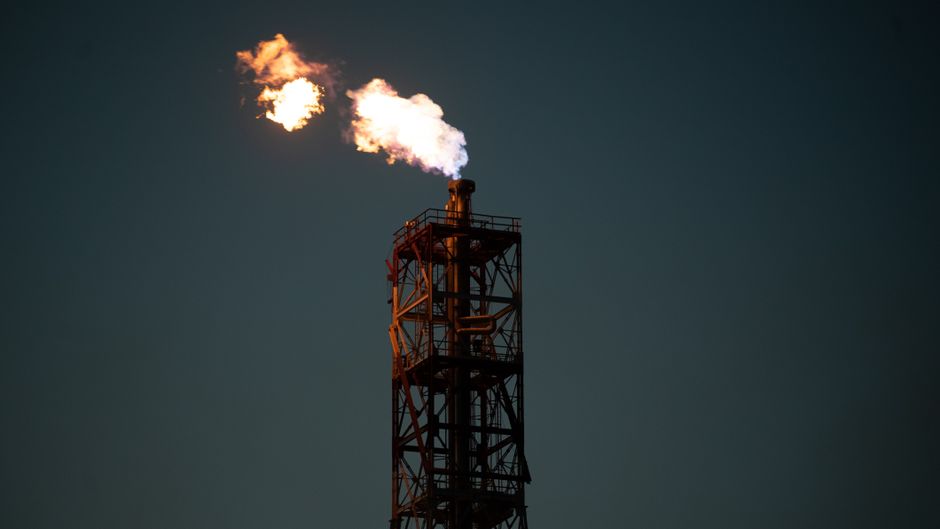
On July 5, 2026, OPEC Plus announced a significant increase in oil production, a decision that comes despite a recent decline in global oil prices. This move is particularly noteworthy given the ongoing geopolitical tensions between the U.S. and Iran, which have raised concerns about oil supply stability.
The decision to boost production indicates a potential shift in OPEC Plus’s strategy for managing oil prices. Traditionally, OPEC has sought to stabilize prices by adjusting production levels in response to market conditions. However, the current volatility in oil prices, driven by fluctuating demand and geopolitical uncertainties, has prompted a reevaluation of this approach.
Impact on Oil Prices and Market Dynamics
The increase in oil production by OPEC Plus is expected to have immediate implications for oil price forecasts. Analysts suggest that this could lead to further declines in prices in the short term, as increased supply typically exerts downward pressure on market rates. According to data from Horizon Investing, there is currently a surplus of oil in the market, exacerbated by reduced demand in certain regions and easing tensions in U.S.-Iran negotiations.
As these negotiations progress, the potential for increased Iranian oil exports looms large, which could further saturate the market. Additionally, insights from Upstract suggest that OPEC’s decision may reflect a strategy to maintain market share against rising competition from non-OPEC producers, particularly in North America. This competitive landscape may compel OPEC to adopt more aggressive pricing strategies, fundamentally altering market dynamics.
Energy economists are now tasked with adjusting their models to account for these developments. The traditional correlation between production levels and oil prices may be challenged, necessitating a more nuanced understanding of supply, demand, and geopolitical factors that influence market stability.
Energy economists are now tasked with adjusting their models to account for these developments.
Geopolitical Factors and U.S.-Iran Relations
The ongoing negotiations between the U.S. and Iran are critical to understanding the current oil market landscape. Research from Finance Yahoo indicates that these discussions have alleviated some pressure on oil supplies, contributing to recent price declines. Should a deal be reached, Iran’s re-entry into the global oil market could significantly alter supply levels.
 Industry & Global Trends
Oil and Gas Prices Surge Amid Middle East Shipping Attacks
The attacks in the Strait of Hormuz have triggered a significant rise in oil prices, impacting bond yields and stock markets globally.
Read More →This situation presents a complex challenge for OPEC Plus, which must balance its production levels with the potential influx of Iranian oil. The decision to increase production now may be a strategic move to maintain market influence before Iran fully resumes its oil exports.
Energy economists emphasize that the interplay between U.S.-Iran negotiations and OPEC’s production strategies will be pivotal for future oil price trends. OPEC’s ability to manage output in response to geopolitical developments will be crucial in determining its effectiveness in stabilizing prices.

Implications for Global Energy Policy
OPEC Plus’s decision to ramp up production despite falling prices carries significant implications for energy policy across major economies. Countries heavily reliant on oil exports, such as Saudi Arabia and Russia, may face economic challenges if prices continue to decline.
The organization’s ability to adapt to changing market conditions will be critical for the future of energy production and consumption.
These nations may need to reassess their energy strategies in light of OPEC’s production increases. Historically, Saudi Arabia has balanced production levels with price stability to ensure economic viability. Conversely, net oil-importing countries may benefit from lower prices in the short term, but they must also consider the long-term effects of OPEC’s strategies. A sustained period of low prices could hinder investments in alternative energy sources, as governments may prioritize immediate stability over long-term sustainability goals.
As global energy policies evolve, the impact of OPEC’s decisions will be closely scrutinized. The organization’s ability to adapt to changing market conditions will be critical for the future of energy production and consumption.
 Industry & Global Trends
Teenage Engineering Stops Synth Production, Musicians React
Teenage Engineering's decision to cease synthesizer production, including the iconic OP-1, raises significant concerns for electronic musicians and the future of music technology. This move…
Read More →Monitoring Future Developments
Market analysts are closely observing these developments, as the implications for oil prices could be profound. If OPEC Plus continues to increase production while demand remains stagnant, prices may face considerable downward pressure, potentially leading to a prolonged period of low oil prices.
The next few months will be crucial for the oil market, with OPEC Plus’s strategies and geopolitical developments likely dictating the direction of oil prices and energy policies worldwide. Stakeholders must remain vigilant to navigate the evolving landscape shaped by OPEC’s production decisions and the broader geopolitical context.

Frequently Asked Questions
What factors influence OPEC’s production decisions?
OPEC’s production decisions are influenced by global oil demand, geopolitical tensions, and competition from non-OPEC producers. The organization aims to balance supply and demand to stabilize prices.
Energy economists should consider OPEC’s production levels, geopolitical developments, and market demand.
How do U.S.-Iran relations impact oil prices?
The U.S.-Iran relationship significantly affects oil prices. Improved relations may lead to increased Iranian oil exports, which could lower prices. Conversely, heightened tensions can restrict supply and drive prices up.
What should energy economists consider when analyzing OPEC’s market strategies?
Energy economists should consider OPEC’s production levels, geopolitical developments, and market demand. Understanding these dynamics is crucial for accurate oil price forecasting and market analysis.
 Industry & Global Trends
Porsche, Facing Falling Profits, Plans to Cut 25% of Its Work Force
Porsche's decision to cut 25% of its workforce underscores the challenges in the automotive industry as it transitions to electric vehicles. This move not only…
Read More →Written by Career Ahead AI. AI can make mistakes, so verify key facts. Report errors to support@careeraheadonline.com.