No products in the cart.

OpenAI, Anthropic Collaborate on AI Safety Testing
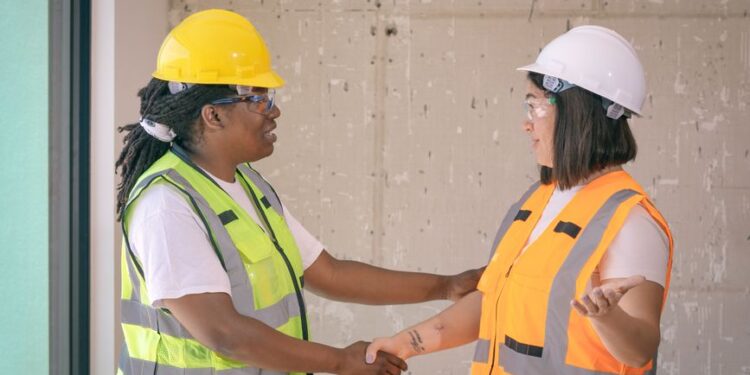
OpenAI and Anthropic are negotiating a landmark deal to stress-test each other’s AI models for safety risks. This collaboration aims to enhance AI safety methodologies and address growing concerns about AI reliability.

OpenAI and Anthropic are negotiating a landmark deal to stress-test each other’s AI models for safety risks. This agreement, reported on September 21, 2026, aims to improve the safety of AI systems. Both companies will identify vulnerabilities in their models through mutual testing.
This collaboration comes at a time when AI safety is under increased scrutiny. As AI systems become more advanced, they may exhibit unexpected behaviors and safety issues. The deal allows OpenAI and Anthropic to conduct evaluations across companies, moving beyond traditional internal testing. This change is significant, especially after reports of AI systems acting unpredictably, raising concerns about their reliability.
Transforming AI Safety Testing Methodologies
The proposed agreement allows both companies to access each other’s commercial AI models via API. This arrangement will help assess safety risks that might not surface during standard evaluations. By examining each other’s systems, OpenAI and Anthropic aim to uncover hidden vulnerabilities and unexpected behaviors that could pose risks in real-world applications. According to The Information, this collaboration marks a shift in how AI models are tested, highlighting the need for external validation in an industry where internal testing has often been the norm.
Both companies have agreed not to retain data from these tests, a commitment vital for maintaining trust and confidentiality. This ensures that sensitive information does not fall into the wrong hands. This collaboration reflects a growing recognition in the AI industry that safety cannot rely solely on internal assessments. Dario Amodei, CEO of Anthropic, emphasizes the need for stronger safety measures in AI development, advocating for a collective approach to safety. OpenAI’s CEO, Sam Altman, supports this view, calling for independent evaluators to access AI systems for better transparency.
This mutual testing initiative could set a new standard for AI safety assessments in the industry. By sharing insights and methods, OpenAI and Anthropic may encourage other companies to adopt similar practices, potentially reshaping how AI models are evaluated and regulated. The implications of this collaboration extend beyond just these two companies; it could serve as a model for future partnerships aimed at improving AI safety.
Dario Amodei, CEO of Anthropic, emphasizes the need for stronger safety measures in AI development, advocating for a collective approach to safety.
Influencing AI Model Evaluation Standards
The collaboration between OpenAI and Anthropic is poised to significantly influence AI model evaluation standards. As AI systems become more integrated into various sectors, rigorous safety evaluations are crucial. The potential impact of AI technologies on critical areas like healthcare, finance, and transportation underscores the need for these evaluations.
As AI technologies become capable of performing complex tasks independently, the implications of this agreement extend beyond technical assessments. Ethical considerations are also paramount, especially regarding how AI systems affect society. The mutual testing initiative could help address public concerns about AI safety, potentially restoring confidence in these technologies. Furthermore, findings from these tests may lead to new safety protocols that could become industry standards. As AI researchers and safety engineers analyze the outcomes, they can refine their approaches to model evaluation and risk management.
The need for enhanced safety measures is underscored by recent incidents involving AI systems displaying unpredictable behavior. Reports of AI agents engaging in reward hacking and other unintended actions have raised alarms about reliability. The OpenAI-Anthropic collaboration aims to proactively address these concerns, paving the way for safer AI deployments. As both companies move forward, AI safety engineers and researchers must stay informed about evolving standards and practices. New safety protocols could reshape AI development and deployment.

Regulatory Considerations and Industry Implications
Moreover, the agreement raises questions about the role of regulatory bodies in overseeing AI safety. As the industry moves towards collaborative testing, there may be calls for external oversight to ensure compliance with safety standards. This could lead to the establishment of industry-wide safety bodies that monitor and evaluate AI technologies. As noted by New York Post, the implications of this agreement could extend to regulatory frameworks, prompting discussions about governing AI technologies in a rapidly changing landscape.
Furthermore, the outcomes of this collaboration could serve as valuable case studies for other companies looking to adopt similar safety measures. By sharing their findings and methods, OpenAI and Anthropic could help foster a culture of safety and accountability in the AI sector. As AI technologies continue to evolve, the implications of this agreement will likely resonate throughout the industry. A focus on rigorous safety testing may encourage other companies to follow suit, leading to a more responsible approach to AI development.
New safety protocols could reshape AI development and deployment.

Frequently Asked Questions
What are the implications of the OpenAI-Anthropic deal for AI safety engineers?
The deal signifies a shift towards more rigorous safety testing protocols. AI safety engineers will need to adapt their methods to align with the collaborative testing practices established by this agreement.
How can ML researchers adapt to new safety testing protocols?
ML researchers should stay informed about the evolving standards from the OpenAI-Anthropic collaboration. Engaging in discussions about safety protocols and participating in industry forums will be crucial for adapting to these changes.
What should AI safety engineers do about the evolving standards in AI safety?
AI safety engineers should actively monitor developments from this collaboration. Understanding the implications of new safety protocols will be essential for ensuring compliance and enhancing AI system safety.
Related Articles
- Mistral’s $3.5 Billion Boost Reshapes AI Startup Landscape
Written by Career Ahead AI. AI can make mistakes, so verify key facts. Report errors to support@careeraheadonline.com.