No products in the cart.

OpenAI Designates GPT 5.6 as Preferred Model for Microsoft Copilot 365

OpenAI has designated GPT 5.6 as the preferred model for Microsoft Copilot 365, signaling a strengthened partnership aimed at enhancing productivity tools across Microsoft's software suite. This integration is expected to revolutionize workflows for software engineers and AI researchers globally.

OpenAI has named GPT 5.6 as the preferred model for Microsoft Copilot 365. This decision highlights the growing partnership between the two tech giants. The announcement came during a recent launch event. It shows a commitment to improving productivity tools in Microsoft’s suite, including Word, Excel, and PowerPoint. The integration of GPT 5.6 will change how software engineers and AI researchers use these tools, especially with the rise of automation and AI capabilities.
This development is significant, especially with recent talks about Microsoft possibly moving to in-house AI models. Reports suggest that Microsoft was looking into its own models to lessen its reliance on OpenAI’s technology. This raised questions about their future partnership. However, OpenAI’s choice of GPT 5.6 as the preferred model seems to strengthen their collaboration. It suggests a deeper integration of advanced AI into Microsoft’s products.
Integration of GPT 5.6 into Microsoft Copilot 365
The integration of GPT 5.6 into Microsoft Copilot 365 is expected to introduce many new features. These features aim to improve user experience. OpenAI states that this model will enhance the understanding of user inputs. This will lead to more accurate and relevant responses. This is crucial for software engineers who depend on these tools for coding help and documentation.
GPT 5.6 will also learn from user interactions. This means it will better understand specific workflows and preferences over time. This adaptability could make software development smoother, allowing engineers to focus on creative problem-solving instead of repetitive tasks. As the model evolves, it may offer personalized recommendations that match individual coding styles and project needs.
Career Ahead’s analysis of Microsoft’s strategy shows that this move aligns with broader trends in AI development. Personalization and contextual awareness are becoming essential features. GPT 5.6’s ability to adapt to users’ needs could set a new standard for productivity tools. This may encourage engineers to rethink how they use these applications in their daily work.
Moreover, deploying GPT 5.6 across Microsoft’s productivity suite suggests a unified approach to AI integration. This could create a smoother experience for users as they switch between applications. They will maintain a consistent level of AI support. For software engineers, this means less friction in their work processes and a more cohesive toolset that boosts collaboration.
As organizations adopt AI-driven solutions, the demand for engineers who can effectively use these tools will grow. Understanding GPT 5.6 and its features will be essential for software engineers who want to remain competitive in the job market.
Impact on Software Development Workflows The introduction of GPT 5.6 into Microsoft Copilot 365 is set to change software development workflows significantly.
Impact on Software Development Workflows
You may also like
 AI & Technology
Temple Evaluates Pilot Fitness for Air Force Use
Deepinder Goyal's Temple wearable aims to enhance pilot safety by monitoring brain blood flow in real-time, potentially transforming aviation health assessments.
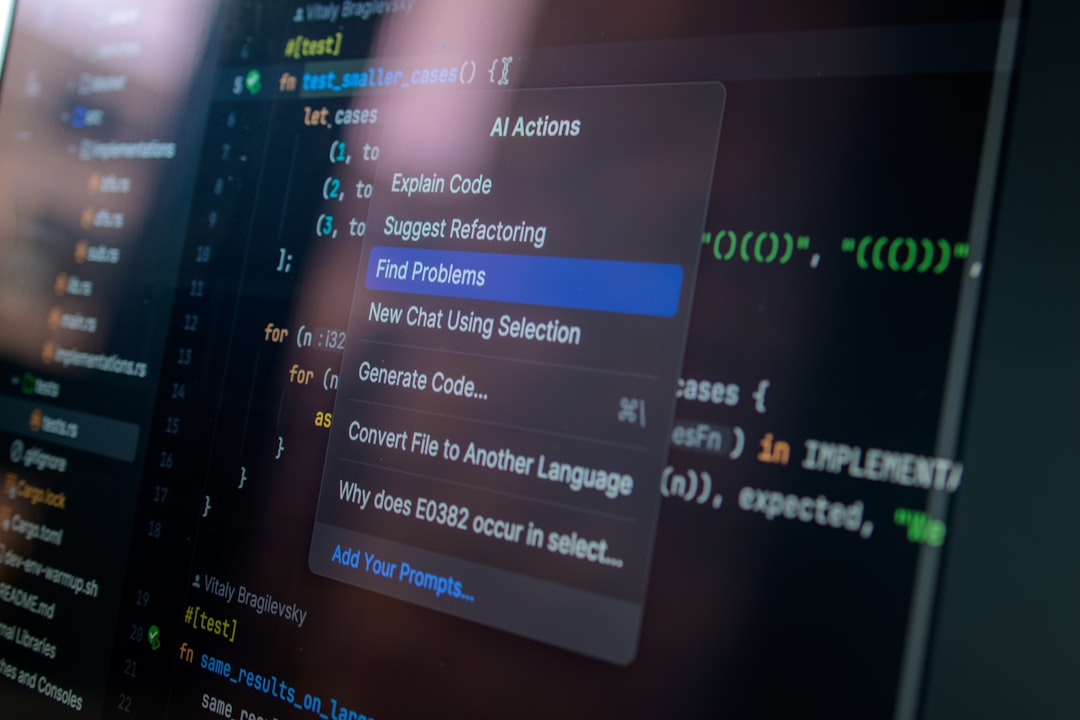
Read More →The introduction of GPT 5.6 into Microsoft Copilot 365 is set to change software development workflows significantly. With its advanced features, the model can help engineers generate code snippets, debug, and suggest optimizations. This could reduce the time spent on mundane tasks, allowing engineers to focus more on innovative aspects of their projects.
Additionally, the enhanced debugging features of GPT 5.6 could lead to faster troubleshooting. By providing contextual insights and potential solutions based on past errors, the model can help engineers resolve issues quickly. This is especially useful in high-stakes environments like fintech or healthcare applications.
Career Ahead’s research shows that as AI tools become more integrated into development workflows, engineers will need to adapt their skills. Proficiency in using AI-driven tools like GPT 5.6 will be essential for many tech roles. This evolution highlights the need for continuous learning and adaptation in a rapidly changing technological landscape.
Furthermore, the collaboration between OpenAI and Microsoft may inspire other tech companies to seek similar partnerships. As the demand for AI-enhanced tools rises, the competitive landscape will shift. Firms will strive to offer the most effective AI solutions. This trend could lead to improvements in software development practices across the industry.
In this context, engineers who embrace AI tools will enhance their productivity. They will also position themselves as valuable assets within their organizations. The integration of GPT 5.6 is not just about improving workflows; it represents a fundamental shift in software development.
The integration of GPT 5.6 is not just about improving workflows; it represents a fundamental shift in software development.
Potential Changes in AI Model Training Methodologies
The choice of GPT 5.6 as the model for Microsoft Copilot 365 may indicate a shift in AI model training and deployment. OpenAI’s focus on contextual understanding and adaptability suggests that future AI models will prioritize these traits. This could lead to a re-evaluation of current training methods, emphasizing real-world applications and user interactions.
As AI systems become more integrated into daily tools, the data used for training must reflect diverse user experiences. Engineers and AI researchers will play a key role in providing feedback that shapes these models. The collaborative nature of AI development is likely to become more important, with user input directly influencing model performance.
You may also like
 AI & Technology
AI Interviewing Transforms Future Hiring Landscape
HackerRank's AI interviewer, Chakra, is transforming recruitment by streamlining the hiring process and emphasizing critical thinking and problem-solving skills in candidates.
Read More →Career Ahead’s analysis suggests that this trend may increase the demand for professionals skilled in AI ethics and data governance. As reliance on AI grows, ensuring these systems are trained on unbiased and representative datasets will be crucial. Engineers who understand data selection and model training will be well-positioned to lead in this evolving field.
Moreover, the integration of GPT 5.6 could establish new standards for AI model evaluation. Companies will need to measure the effectiveness of AI tools in real-world scenarios. Metrics will need to evolve to capture user interaction and satisfaction. This shift may lead to more transparent and accountable AI systems.
The implications of these changes go beyond technical adjustments. They may also influence policy discussions about AI deployment in various sectors. As organizations consider the ethical aspects of AI use, engineers and researchers must advocate for responsible practices that align with societal values.
As this landscape evolves, the relationship between AI capabilities and user needs will shape the future of software development and AI research. The ongoing collaboration between OpenAI and Microsoft serves as a vital case study in this transformation.
As this landscape evolves, the relationship between AI capabilities and user needs will shape the future of software development and AI research.
Looking ahead, the relationship between OpenAI and Microsoft could continue to evolve. This may lead to breakthroughs in AI capabilities that redefine productivity tools. How this partnership adapts to the changing technological landscape will be crucial for software engineers and AI researchers alike.
Frequently Asked Questions
What features does GPT 5.6 bring to Microsoft Copilot?
GPT 5.6 enhances Microsoft Copilot with better contextual understanding and adaptability. This allows for more accurate responses and personalized interactions, which is beneficial for software engineers.
How can AI researchers leverage GPT 5.6 for their projects?
AI researchers can use GPT 5.6 to explore advanced natural language processing capabilities. They can develop innovative applications that require contextual awareness. Its adaptability makes it a valuable tool for experimentation and research.
You may also like
 AI & Technology
Higher education reallocates capital to digital platforms
The analysis that follows dissects the mechanisms, systemic implications, and stakeholder outcomes.
Read More →
What should software engineers know about transitioning to GPT 5.6?
Software engineers should learn about the new features and capabilities of GPT 5.6. This knowledge will help them maximize its potential in their workflows. Understanding its contextual learning will be key to optimizing their use of Microsoft Copilot.