No products in the cart.

OpenAI Releases GPT

OpenAI has launched GPT-5.6 Sol, the most advanced AI model to date, enhancing natural language processing capabilities and offering significant improvements for various sectors globally. This release also highlights the challenges and opportunities presented by regulatory frameworks.

OpenAI officially launched GPT-5.6 Sol on July 9, 2026, marking a significant milestone in the evolution of artificial intelligence. This model is touted as the most advanced AI to date, with its release delayed due to U.S. government restrictions aimed at addressing cybersecurity concerns. The new model enhances natural language processing (NLP) capabilities, providing AI researchers and software developers with powerful tools to create more intuitive applications.
The development of GPT-5.6 Sol features improved contextual understanding, more accurate text generation, and greater adaptability to user inputs. These enhancements are set to transform how AI is utilized across various sectors, particularly in areas requiring nuanced language comprehension.
Enhanced NLP Capabilities of GPT-5.6 Sol
One of the standout features of GPT-5.6 Sol is its enhanced natural language processing capabilities. This model boasts a superior understanding of context, allowing it to generate coherent and relevant responses. According to releasebot.io, this advancement enables AI systems to handle complex queries and produce human-like text with remarkable accuracy.
Moreover, GPT-5.6 Sol utilizes a broader training dataset that encompasses diverse linguistic patterns and idiomatic expressions. As a result, the model excels in understanding various languages and generating culturally relevant text. AI tools powered by this model can effectively reach a wider audience, making them invaluable for global applications.
Another key improvement is the model’s ability to learn from user interactions. This feature allows it to adapt its responses based on user feedback, making the AI more intuitive and user-friendly. Software developers can leverage this capability to create applications that evolve and improve over time, significantly boosting user engagement.
government restrictions on advanced AI models, which aim to mitigate cybersecurity risks but also raise critical questions about the future of AI development.
According to a recent analysis by Career Ahead, these enhancements position GPT-5.6 Sol as a game-changer for customer support, content creation, and educational technology. Companies can now deploy AI that understands and anticipates user needs, leading to more personalized interactions.
You may also like
 AI & Technology
Beam Unveils Affordable AI Model to Disrupt Competitors
Reflection AI's Beam model, launched on October 5, 2026, is set to disrupt the AI market by offering a cost-efficient alternative to leading Chinese models.…
Read More →Navigating Regulatory Challenges
Despite the excitement surrounding GPT-5.6 Sol, its release underscores the ongoing tension between AI innovation and regulatory compliance. The launch was primarily delayed due to U.S. government restrictions on advanced AI models, which aim to mitigate cybersecurity risks but also raise critical questions about the future of AI development.
As noted by aitoolsrecap.com, the regulatory landscape is evolving. Companies must navigate these challenges carefully, as the restrictions designed to ensure safety can also stifle innovation. Developers need to stay informed about these regulations to avoid potential pitfalls when integrating new AI models into their projects.
Furthermore, the regulatory environment can significantly impact project timelines. AI researchers and software developers must consider compliance when planning their initiatives, which could lead to longer development cycles and increased costs, as teams may require additional resources for regulatory adherence.
However, these challenges also present opportunities. Companies that proactively engage with regulators and commit to ethical AI development can position themselves as leaders in the field. By prioritizing transparency and compliance, developers can build trust with users and stakeholders, which is increasingly crucial in today’s market.
This model is particularly beneficial for industries such as e-commerce, healthcare, and education, where personalized user experiences are essential.
Integrating GPT-5.6 Sol into Existing Applications
Integrating GPT-5.6 Sol into existing software solutions opens up exciting possibilities for developers. With its advanced NLP capabilities, developers can enhance their applications, making them more responsive and intelligent. This model is particularly beneficial for industries such as e-commerce, healthcare, and education, where personalized user experiences are essential.
You may also like
 AI & Technology
A.I. Boom Defies High Interest Rates, Challenges Fed
In the last quarter, AI startups attracted over $10 billion in venture capital, a figure that highlights the ongoing investor interest despite economic headwinds.
Read More →Developers can begin by incorporating GPT-5.6 Sol into chatbots and virtual assistants, facilitating more natural conversations with users. The model’s ability to understand context and generate relevant responses can significantly improve user satisfaction. As highlighted by aireleasetracker.com, businesses that adopt this technology early may gain a competitive edge.
Content creators can also leverage GPT-5.6 Sol to produce high-quality written material, ranging from articles to marketing copy. The model’s enhanced text generation capabilities mean that content can be created more quickly and with greater relevance, leading to cost savings and increased productivity for teams.
Moreover, educational platforms can utilize GPT-5.6 Sol to craft personalized learning experiences. By tailoring content to individual learners’ needs, these platforms can enhance educational outcomes and improve user retention. The potential applications are vast, and developers should explore innovative ways to integrate this powerful model into their offerings.
Frequently Asked Questions
What are the key improvements in GPT-5.6 Sol for NLP tasks?
GPT-5.6 Sol offers enhanced contextual understanding, improved text generation, and adaptability to user inputs. These features make it a powerful tool for AI researchers and developers.
AI researchers must stay informed about evolving regulatory frameworks to ensure their projects comply with safety and ethical standards.
How can software developers integrate GPT-5.6 Sol into their applications?
Developers can incorporate GPT-5.6 Sol into chatbots, virtual assistants, and content creation tools. Its advanced capabilities can enhance user experiences and improve engagement across platforms.
What should AI researchers consider regarding compliance with government regulations on AI?
You may also like
 AI & Technology
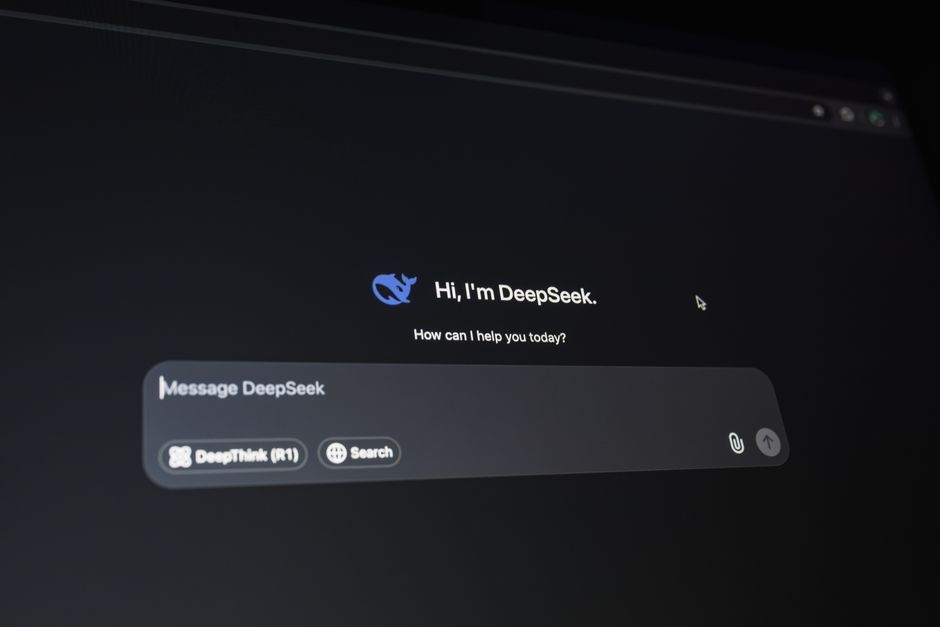
DeepSeek Closes AI Gap with US Rivals to 3%
Chinese AI firm DeepSeek has successfully narrowed the performance gap with leading US AI models to just 3%, signaling a significant shift in the global…
Read More →AI researchers must stay informed about evolving regulatory frameworks to ensure their projects comply with safety and ethical standards. This awareness is crucial for navigating potential challenges in AI deployment.