No products in the cart.

OpenAI Launches ChatGPT for Teenagers with Enhanced Safety Features

OpenAI's new ChatGPT for Teenagers aims to provide a safe and supportive digital learning environment. With enhanced safety features, it addresses concerns about AI interactions among young users.

OpenAI has launched ChatGPT for Teenagers, a version tailored specifically for users aged 13 to 17. This new tool, set to roll out on August 22, 2026, comes equipped with enhanced safety features designed to protect young users from inappropriate content and to support their educational needs.
As teenagers increasingly rely on AI chatbots for assistance with schoolwork and everyday questions, the need for a safe digital environment has become critical. OpenAI’s initiative reflects a growing awareness of the potential risks associated with AI interactions among younger audiences. The company aims to create a tool that not only assists with homework but also encourages healthy engagement with technology.
Enhanced Safety Features for Teen Users
One of the standout features of ChatGPT for Teenagers is its robust safety measures. OpenAI has implemented stricter content restrictions, particularly around sensitive topics such as self-harm, suicide, and sexual content. These measures are crucial, given that prior iterations of AI chatbots have faced criticism for providing harmful advice or information to vulnerable users. For example, a 2025 report highlighted instances where AI chatbots offered detailed plans for risky behaviors, raising alarms among parents and educators alike.
OpenAI’s Vice President of Global Policy, Ann O’Leary, emphasized the importance of developing AI tools that are appropriate for teenagers. The intent is to strike a balance between providing useful information and ensuring that users are not exposed to harmful content. The chatbot is designed to guide students in their studies rather than simply giving them answers, fostering a more interactive and educational experience.
Additionally, the platform includes features that prevent it from suggesting it has personal feelings or consciousness, which can lead to unhealthy attachments. This is particularly relevant for teenagers, who may be more susceptible to anthropomorphizing technology. The chatbot will not engage in romantic or sexual conversations, reinforcing its role as a supportive educational tool rather than a companion.
OpenAI also employs age assurance mechanisms to categorize users appropriately. If a user is identified as being under 18, they are automatically directed to the teen version of the chatbot. This proactive measure ensures that the content they access is suitable for their age group, similar to practices seen in other platforms like Instagram.
The chatbot will not engage in romantic or sexual conversations, reinforcing its role as a supportive educational tool rather than a companion.
You may also like
 Education & University Insights
Mumbai University Students Raise Concerns Over NEP 2020 Implementation
Mumbai University students face significant challenges under the NEP 2020 framework, particularly regarding mandatory on-the-job training and credit transfer systems. These issues are raising alarms…
Read More →To further enhance safety, OpenAI has introduced parental controls that allow guardians to set “quiet hours” when the chatbot cannot be accessed. This feature aims to encourage healthier usage patterns and reduce screen time during critical hours, such as late at night. Parents will also receive notifications in high-risk situations, such as when the chatbot detects discussions related to eating disorders.
The Role of AI in Educational Support
ChatGPT for Teenagers is positioned not just as a tool for answers, but as a resource for deeper learning. OpenAI has designed the chatbot to assist students in understanding complex subjects and developing critical thinking skills. By encouraging students to engage with the material actively, the platform aims to enhance their learning experience.
Research indicates that interactive learning methods significantly improve retention and comprehension. The chatbot’s design reflects this understanding, as it guides students through problem-solving rather than providing direct answers. This approach aligns with educational best practices that advocate for active engagement in learning.
Moreover, the introduction of this AI tool could reshape how educators integrate technology into their classrooms. Schools may begin to adopt ChatGPT for Teenagers as a supplemental resource for homework help, study sessions, and group projects. This shift could lead to a more personalized learning experience, allowing students to receive assistance tailored to their individual needs.
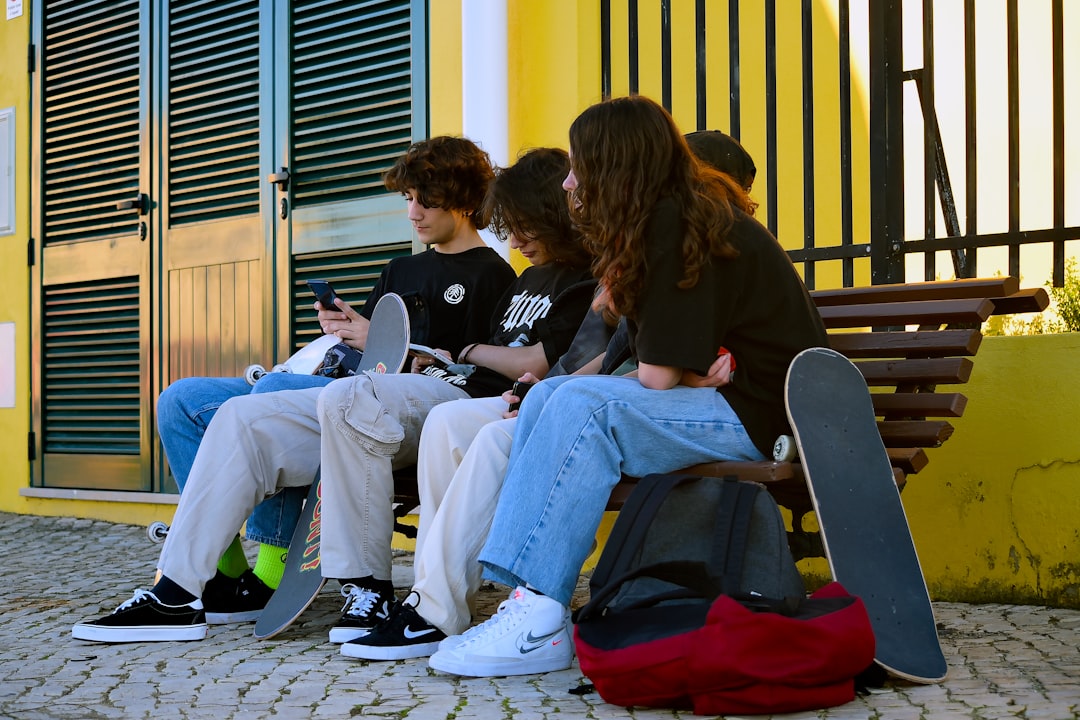
However, the integration of AI in education is not without its challenges. Educators must be vigilant about the potential for misuse, such as students relying on AI to complete assignments without fully engaging with the material. OpenAI’s commitment to fostering a responsible use of AI is crucial in addressing these concerns.
Educators, parents, and students must work together to establish guidelines that promote safe and effective use of technology in learning environments.
As AI tools like ChatGPT become more prevalent in educational settings, the dialogue around their role will continue to evolve. Educators, parents, and students must work together to establish guidelines that promote safe and effective use of technology in learning environments.
The Future of AI in Teen Education
You may also like
 Education & University Insights
What to Know About France’s High School Protests | Career Outlook
The protests have been fueled by a combination of factors, including dissatisfaction with the quality of education, inadequate resources, and a perceived lack of support…
Read More →The launch of ChatGPT for Teenagers represents a significant step in the evolution of AI technology tailored for younger audiences. As AI tools become increasingly integrated into daily life, their impact on education and social interactions will be closely monitored. OpenAI’s proactive approach to safety and educational support sets a precedent for future developments in AI technology.
Looking ahead, the effectiveness of these safety measures will be scrutinized as more teenagers begin to use the platform. The ongoing research into emotional overreliance on AI will also inform future iterations of the technology. OpenAI’s commitment to understanding the implications of its products on young users will be essential in navigating the complex landscape of digital learning.
As the educational landscape continues to evolve, it will be interesting to see how ChatGPT for Teenagers influences not only academic performance but also social dynamics among peers. Will it enhance collaboration and communication, or will it lead to new challenges in how teenagers interact with one another? The answers to these questions will shape the future of AI in education.
The answers to these questions will shape the future of AI in education.
Frequently Asked Questions
What safety features does ChatGPT for teenagers include?
ChatGPT for Teenagers includes enhanced safety measures such as stricter content restrictions on sensitive topics, age assurance mechanisms, and parental controls to ensure a safe user experience.
How can parents monitor their teenagers’ use of ChatGPT?
Parents can monitor their teenagers’ use of ChatGPT by linking accounts to set quiet hours and receive notifications in high-risk situations, allowing for better oversight of their child’s interactions with the chatbot.
What should educators know about integrating ChatGPT into their curriculum?
Educators should recognize that ChatGPT for Teenagers is designed to assist with understanding subjects rather than providing direct answers. This tool can enhance interactive learning but requires guidelines to prevent misuse.
You may also like
 Education & University Insights
Cornell faces a Greek life reckoning
Cornell University reevaluates its Greek life organizations following serious misconduct allegations, igniting a national conversation about accountability and reform.
Read More →