


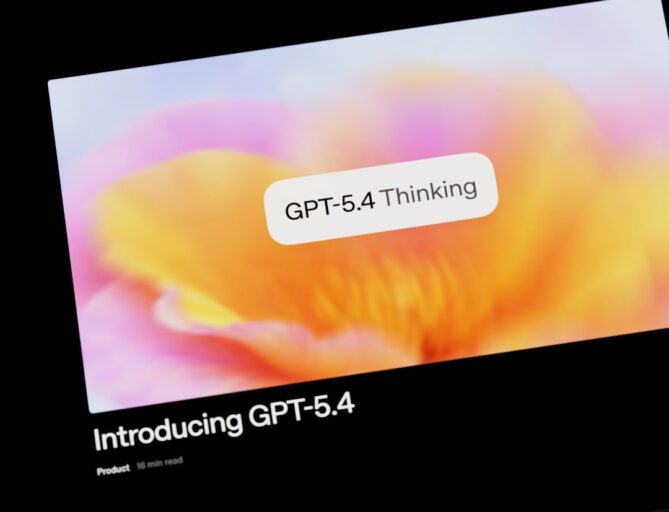
OpenAI has made headlines today with the launch of its latest artificial intelligence model, GPT-5.5. This new version is designed to excel at performing tasks with minimal direction, aiming to enhance productivity for businesses and users alike. As AI technology continues to evolve, this launch signifies a pivotal moment in the industry, especially as companies increasingly seek tools that can streamline operations without extensive training.
The introduction of GPT-5.5 highlights OpenAI’s commitment to staying competitive against other AI firms like Anthropic PBC. The ability to handle tasks with less input could reshape how businesses approach automation and task management. This shift not only promises to save time but also allows companies to reallocate resources to more strategic initiatives.
As organizations adapt to this technology, the implications for the workforce are significant. Employees may find themselves working alongside AI that can take on more complex tasks, potentially changing the dynamics of job roles across various sectors.
Transforming Business Operations with AI
The launch of GPT-5.5 comes at a time when businesses are increasingly looking for ways to improve efficiency. According to recent reports, companies that integrate AI into their operations see a notable increase in productivity. For instance, a study highlighted by Bloomberg indicates that businesses adopting AI technologies are experiencing significant operational enhancements. The new capabilities of GPT-5.5 could further enhance this trend, allowing businesses to automate routine tasks while focusing on innovation.
By simplifying the interaction with AI, these businesses can leverage advanced technology without needing a dedicated team of AI specialists.
With GPT-5.5, OpenAI aims to provide a solution that requires less oversight and guidance. This feature is particularly appealing to small and medium-sized enterprises (SMEs) that may lack the resources for extensive AI training. By simplifying the interaction with AI, these businesses can leverage advanced technology without needing a dedicated team of AI specialists.
Moreover, the integration of such technology raises questions about the future of work. As AI takes on more responsibilities, there is a growing concern about job displacement. However, experts suggest that while some roles may evolve or diminish, new opportunities will emerge in areas such as AI management and oversight. The recent announcement from Meta, which plans to cut 10% of its workforce to streamline operations, underscores the urgency for businesses to adapt to these technological shifts while managing human resources effectively.
Broader Implications for the AI Industry
 AI & Technology
Microsoft Unveils AI-Optimized PCs with Nvidia Technology
Microsoft has unveiled new PCs powered by Nvidia's RTX Spark chip and an updated Windows 11, enhancing AI capabilities for developers and researchers. This shift…
Read More →The unveiling of GPT-5.5 not only impacts individual businesses but also sets a precedent for the entire AI industry. As competition intensifies among AI developers, the focus on user-friendly models that require less training is likely to become a key trend. This could drive innovation and lead to faster advancements in AI capabilities. OpenAI’s latest model is expected to influence how other companies approach AI development. With a successful launch, it may encourage rivals to enhance their offerings, leading to a more competitive landscape. This competition can ultimately benefit consumers and businesses by providing access to better, more efficient tools.
Additionally, the ethical considerations surrounding AI use are becoming increasingly important as these technologies become more integrated into everyday business practices. OpenAI has emphasized its commitment to responsible AI development, and as GPT-5.5 rolls out, it will be crucial to monitor how these systems are implemented in real-world applications. The conversation around AI ethics will likely gain momentum as more companies adopt such technologies. Stakeholders will need to address concerns about transparency, accountability, and the potential biases inherent in AI systems.
As the landscape evolves, the role of regulatory bodies may also change. Governments and organizations will need to establish guidelines to ensure that AI technologies are used responsibly and ethically. The recent discussions surrounding the regulatory framework for AI, as highlighted in various industry reports, indicate a growing recognition of the need for oversight in AI deployment.
With a successful launch, it may encourage rivals to enhance their offerings, leading to a more competitive landscape.
Why This Matters to You
The launch of GPT-5.5 is not just a technical advancement; it is a signal of the changing nature of work. As AI becomes more capable, understanding how to leverage these tools will be essential for future career paths and business strategies. The integration of AI like GPT-5.5 into daily operations could redefine productivity and efficiency across various sectors.
Looking ahead, the question remains: how will businesses fully harness the capabilities of GPT-5.5? Will this lead to a new era of collaboration between humans and AI, or will it create challenges that need to be addressed? The future of work is evolving rapidly, and staying informed will be crucial for navigating these changes.
 Entrepreneurship & Business
Claude Startups Unveils $7,000 Benefits for Indian Founders
Anthropic's expanded Claude Startups programme provides Indian founders with up to $7,000 in benefits, including API credits and mentorship, to support the growth of AI…
Read More →As OpenAI continues to innovate, the implications of its advancements will resonate throughout the industry, influencing not just large corporations but also individual professionals and entrepreneurs. The ability to adapt to these changes will determine success in an increasingly automated world.
Written by Career Ahead AI. AI can make mistakes, so verify key facts. Report errors to support@careeraheadonline.com.





