No products in the cart.

Ørsted Challenges US Government Over Wind Farm Lease Suspension
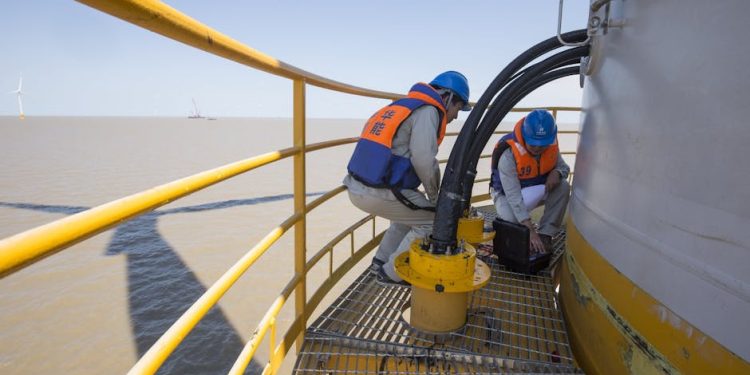
Ørsted has filed a lawsuit against the US government over the suspension of its Revolution Wind project lease, raising concerns about renewable energy development.

Providence, Rhode Island — Ørsted, the largest offshore wind developer in Europe, has filed a legal challenge against the U.S. government in response to a recent suspension of its wind farm lease. This legal action centers on the Revolution Wind project, which has been under development for nearly a decade and is crucial for the renewable energy landscape in the northeastern United States.
The lawsuit comes after the Department of the Interior announced a halt to construction on several offshore wind projects, citing national security concerns. Ørsted argues that this suspension violates applicable laws and threatens the viability of a project that has already secured necessary federal and state permits. The Revolution Wind project, a $5 billion investment, was expected to deliver reliable and affordable power to homes in the region by 2026.
Ørsted’s legal move is significant not only for the company but also for the future of offshore wind energy in the U.S. The project had already completed 90% of its construction, including the installation of foundations and wind turbines. The suspension, initiated by the Trump administration, reflects ongoing tensions between renewable energy initiatives and fossil fuel interests, as the former president has frequently criticized wind energy.
Why Ørsted’s Legal Challenge Matters Now
Ørsted’s lawsuit highlights the precarious position of renewable energy projects in the U.S., especially under an administration that has shown a clear preference for fossil fuels. The suspension of the Revolution Wind project lease is not an isolated incident; it is part of a broader pattern of regulatory pushback against renewable energy initiatives. This trend raises critical questions about the future of clean energy investments in the U.S. and the ability of companies to navigate a complex legal and political landscape.
Moreover, the legal challenge underscores the importance of public and private investment in renewable energy. Ørsted’s commitment to the Revolution Wind project represents a significant financial investment and a step towards achieving climate goals. However, the halt in progress could deter future investments in similar projects, impacting job creation and energy security.
This trend raises critical questions about the future of clean energy investments in the U.S.
The outcome of this legal battle could set a precedent for how offshore wind projects are handled in the U.S. If Ørsted succeeds, it may pave the way for other renewable energy projects that have faced similar regulatory hurdles. Conversely, a ruling in favor of the government could signal a more challenging environment for future investments in clean energy.
As the case unfolds, stakeholders across the renewable energy sector will be watching closely. The implications for jobs, energy prices, and environmental goals are significant. With construction halted, Ørsted faces a potential weekly financial hit of $25 million, which could affect its operational strategy and stock performance.
How This Affects Renewable Energy Careers
The legal challenge presented by Ørsted has immediate and long-term implications for professionals in the renewable energy sector. For those currently working in offshore wind or related fields, uncertainty surrounding project timelines could impact job security and career advancement opportunities. Entry-level positions may become scarce if companies scale back their operations in response to regulatory challenges.
Mid-career professionals, particularly those involved in project management and engineering, may need to adapt their skills to remain competitive. As the industry evolves, there may be a shift towards roles focused on compliance and legal navigation, given the increasing complexities of regulatory environments.
Mid-career professionals, particularly those involved in project management and engineering, may need to adapt their skills to remain competitive.
For career switchers looking to enter the renewable energy space, the situation presents both challenges and opportunities. While the current climate may seem daunting, the ongoing transition towards clean energy means that demand for skilled professionals will continue to grow. Upskilling in areas related to environmental law, policy analysis, and sustainable practices could enhance employability.
Overall, the outcome of Ørsted’s legal challenge could influence hiring trends and salary expectations across the renewable energy sector. As companies adjust to the regulatory landscape, professionals must remain agile and proactive in pursuing new opportunities.
Steps to Position Yourself in the Renewable Energy Sector
- Upskill in Regulatory Compliance: Consider taking courses in environmental law or regulatory compliance to enhance your qualifications in a changing job market.
- Network with Industry Professionals: Join renewable energy associations and attend industry events to connect with others in the field and stay informed about job openings.
- Follow Legal Developments: Stay updated on legal cases affecting the renewable sector, as these can provide insights into future job opportunities and industry trends.
However, experts warn that this trend may not be sustainable. A recent report from the International Renewable Energy Agency suggests that while legal challenges can be overcome, the uncertainty they create may deter long-term investments in renewable energy. Companies must balance innovation with compliance to ensure growth.
The Future of Offshore Wind Projects in the U.S.
The legal battle initiated by Ørsted could reshape the future of offshore wind energy in the U.S. If the courts rule in favor of the company, it could signal a more favorable environment for renewable energy projects, encouraging further investments and innovation. Conversely, a ruling against Ørsted could deter future developments, leading to a slowdown in project approvals and construction.
As the renewable energy landscape continues to evolve, the need for skilled professionals will remain critical. The industry must adapt to regulatory challenges and find ways to navigate the complexities of compliance while pursuing ambitious climate goals. The outcome of Ørsted’s legal challenge may ultimately influence not just the company but the entire sector’s trajectory.
As the renewable energy landscape continues to evolve, the need for skilled professionals will remain critical.
What strategies will you implement to remain competitive in a rapidly changing renewable energy job market?
Written by Career Ahead AI. AI can make mistakes, so verify key facts. Report errors to support@careeraheadonline.com.