No products in the cart.

Osmania Medical College Leads Research Output

Osmania Medical College in Telangana leads medical research output in India, significantly outpacing private hospitals. Its contributions during the COVID-19 pandemic highlight its role in advancing public health knowledge.

Hyderabad, India — Osmania Medical College (OMC) has emerged as the leading institution for medical research in Telangana, publishing an impressive average of 402 research papers annually. This output is more than three times that of the top five private hospitals in the region, which collectively produce only 116 papers each year. These findings are detailed in a recent study published in the BMJ Journal of Medical Evidence by Dr. Samiran Nundy and Dr. Parmanand Tiwari.
The study reveals a significant disparity in research output between government and private medical institutions in Telangana. OMC, along with AIIMS Bibinagar, which publishes 77 papers yearly, contributes a total of 479 papers. In stark contrast, the five leading private hospitals, including Apollo Health City and CARE Hospitals, lag considerably in their research contributions.
Research Output and Its Significance
OMC’s robust research output reflects a broader trend in medical education across India. The study analyzed publications from 2021 to 2025 using databases such as Scopus, PubMed, and Google Scholar. While the focus was primarily on the volume of publications, the sheer number indicates OMC’s potential to influence public health discussions and policies significantly.
During the COVID-19 pandemic, OMC’s faculty produced critical research on various topics, including RT-PCR diagnostics and COVID-19-related mucormycosis. This research not only enhanced global understanding of the virus but also identified key risk factors such as diabetes and steroid use. OMC’s contributions have positioned it at the forefront of medical research in the region, underscoring its vital role in public health.
Funding Opportunities and Research Culture
According to analysis from Career Ahead, OMC’s extensive research output may lead to increased funding opportunities. As the institution continues to publish, it is likely to attract grants and collaborations that can further enhance its research capabilities. This influx of funding can improve OMC’s reputation, creating a positive feedback loop that encourages even more research.
However, the stark contrast between OMC and private hospitals raises important questions about the research culture in the private sector. Dr. Nundy noted that many private institutions view research as a waste of time and resources, prioritizing clinical work and revenue generation instead. This perspective limits their ability to contribute to medical literature, despite treating a large number of patients.
Funding Opportunities and Research Culture According to analysis from Career Ahead, OMC’s extensive research output may lead to increased funding opportunities.
Collaborative Potential and Academic Reputation
You may also like
 Education & University Insights
Inside DES Pune University's academic leadership
DES Pune University is embracing innovation in higher education through new leadership strategies, interdisciplinary research, and industry partnerships, aiming to prepare students for a dynamic…
Read More →The findings of this study open up new avenues for collaboration between OMC and other institutions, particularly AIIMS Bibinagar. Both institutions are government-funded and share a commitment to advancing medical research. Joint research projects could enhance the quality and impact of their work, leading to significant public health advancements in Telangana.
Moreover, OMC’s reputation as a leading research institution can directly influence student recruitment. Prospective students often seek institutions known for their research output, which correlates with better learning opportunities and career prospects. A strong research profile can attract talented students, thereby enriching the academic environment.
As OMC continues to publish extensively, it is poised to become a hub for medical research in the region, drawing attention from national and international academic communities. Increased collaboration with global research networks may further elevate OMC’s status and influence.
Challenges in the Private Sector
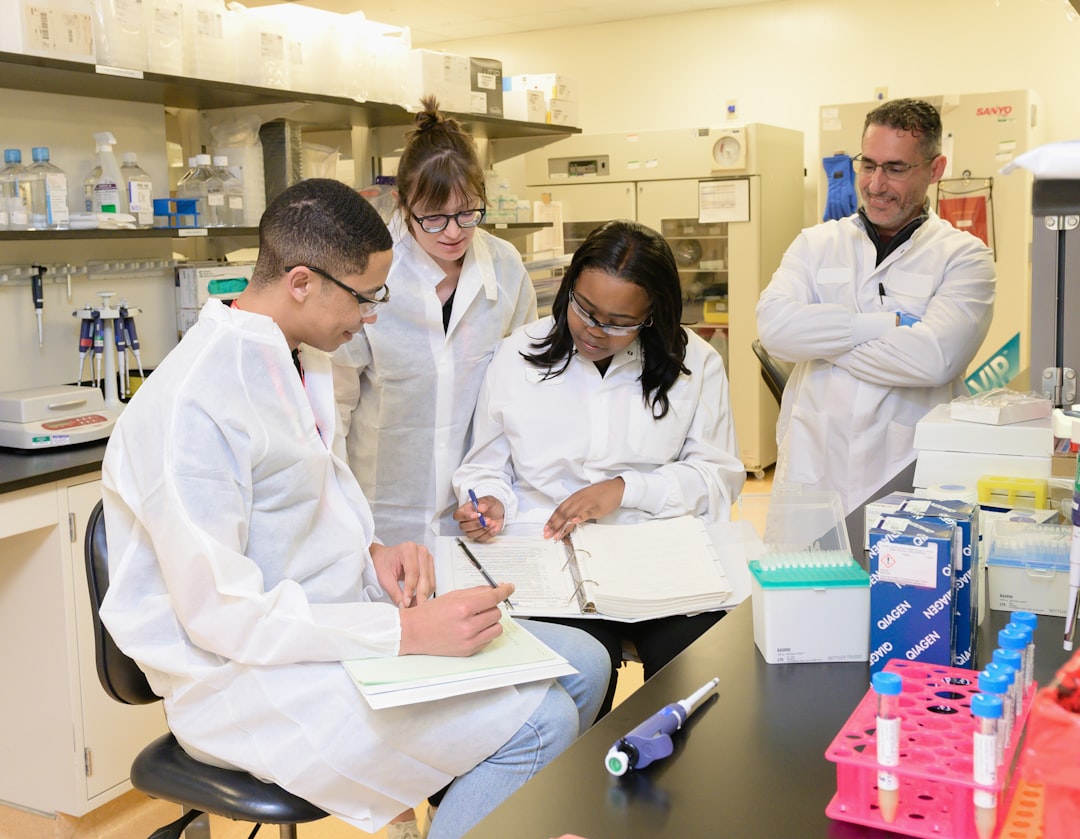
Despite OMC’s successes, the study highlights challenges faced by the private sector. Many private hospitals lack structured academic programs and incentives for research, hindering their ability to compete with government institutions like OMC. Addressing these gaps will be crucial for private hospitals to enhance their research contributions in the future.
Additionally, the National Medical Commission’s regulations require faculty at government institutions to publish a minimum number of papers for promotions, which fosters a culture of research. In contrast, many private hospitals do not have similar requirements, which can stifle research initiatives.
OMC’s success may inspire other colleges and private hospitals to invest more in research, recognizing its importance in advancing healthcare and education.
The Future of Medical Research in Telangana
As OMC leads in research publications, the implications for Telangana’s medical landscape are profound. OMC’s success may inspire other colleges and private hospitals to invest more in research, recognizing its importance in advancing healthcare and education. This shift could foster a more vibrant research ecosystem in the state, ultimately benefiting public health outcomes.
You may also like
 Education & University Insights
NYC Leaders Push for School Integration Amid Segregation
New York City's school system remains one of the most segregated in the U.S. City leaders are now pushing for integration, but advocates emphasize the…
Read More →Looking ahead, the ongoing collaboration between OMC and AIIMS Bibinagar could set a precedent for future partnerships among medical institutions in Telangana. Such collaborations can maximize resources and expertise, leading to innovative research solutions for pressing public health challenges.

Furthermore, as OMC’s reputation grows, it may attract more funding from governmental and non-governmental organizations focused on health research. This support could help the college expand its research capabilities, invest in advanced technologies, and improve its facilities.
Ultimately, the future of medical research in Telangana appears promising, with OMC at the forefront. The institution’s commitment to research not only enhances its academic standing but also positions it as a leader in addressing regional healthcare needs. Stakeholders will closely monitor these developments, particularly regarding collaboration, funding, and research output.
Ultimately, the future of medical research in Telangana appears promising, with OMC at the forefront.
Frequently Asked Questions
What are the benefits of publishing research papers for medical researchers in Telangana?
Publishing research papers enhances the visibility and credibility of medical researchers, leading to increased funding, collaborations, and career advancement in both academic and clinical settings.
How can academic faculty at medical colleges increase their research output?
Academic faculty can enhance their research output by collaborating with other institutions, applying for grants, and participating in structured academic programs that promote research initiatives.
What should medical researchers do to leverage the findings of this study for career advancement?
Medical researchers should focus on publishing high-quality work and seek collaborations with leading institutions like Osmania Medical College to enhance their academic profiles and career prospects.
You may also like
 Education & University Insights
UP ITI Admission Opens Fifth Phase Applications
The fifth phase of UP ITI admissions for the 2026-27 training session will start on October 6, 2026, and will remain open until midnight on…
Read More →