Peru’s economy unexpectedly slowed in June 2026, primarily due to a decline in fishing and agriculture output. The economic activity index rose only 1.75% compared to the same month a year earlier, falling short of the 2.3% median estimate by economists. This downturn is particularly concerning for the agriculture and fishing sectors, which are vital to the livelihoods of many in the region.
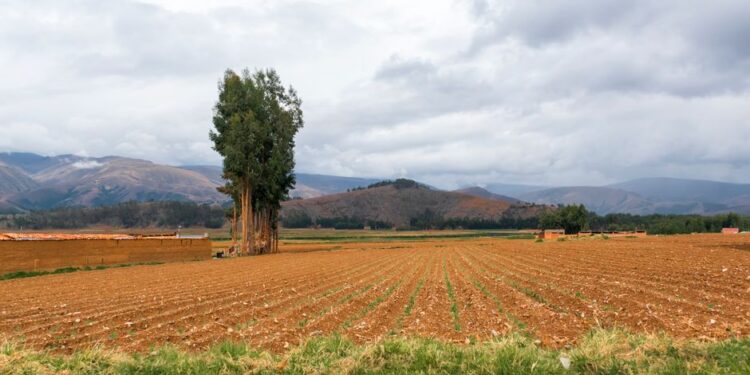
In the Huaura Valley, where blueberry farming is a significant industry, the effects of this economic slowdown are palpable. Farmers have reported reduced yields due to unusual weather patterns, including unseasonal rains and temperature fluctuations. This has raised concerns not only about immediate income but also about the long-term sustainability of farming practices in the region. According to a report by Bloomberg, the agricultural output has been further strained by these unpredictable climate conditions, which have disrupted harvest cycles and reduced the overall productivity of the land.
Fishing professionals are also feeling the pinch. The fishing industry in Peru, which has already faced challenges from overfishing and environmental changes, is now grappling with reduced output. Many fishermen are finding it increasingly difficult to secure steady income, leading to job losses and economic instability in coastal communities. The decline in fish stocks has been attributed to both overfishing and changing ocean conditions, which have made traditional fishing grounds less productive. This situation is exacerbated by the economic pressures that have made it challenging for fishermen to invest in more sustainable practices.
The Impact on Local Agriculture Workers
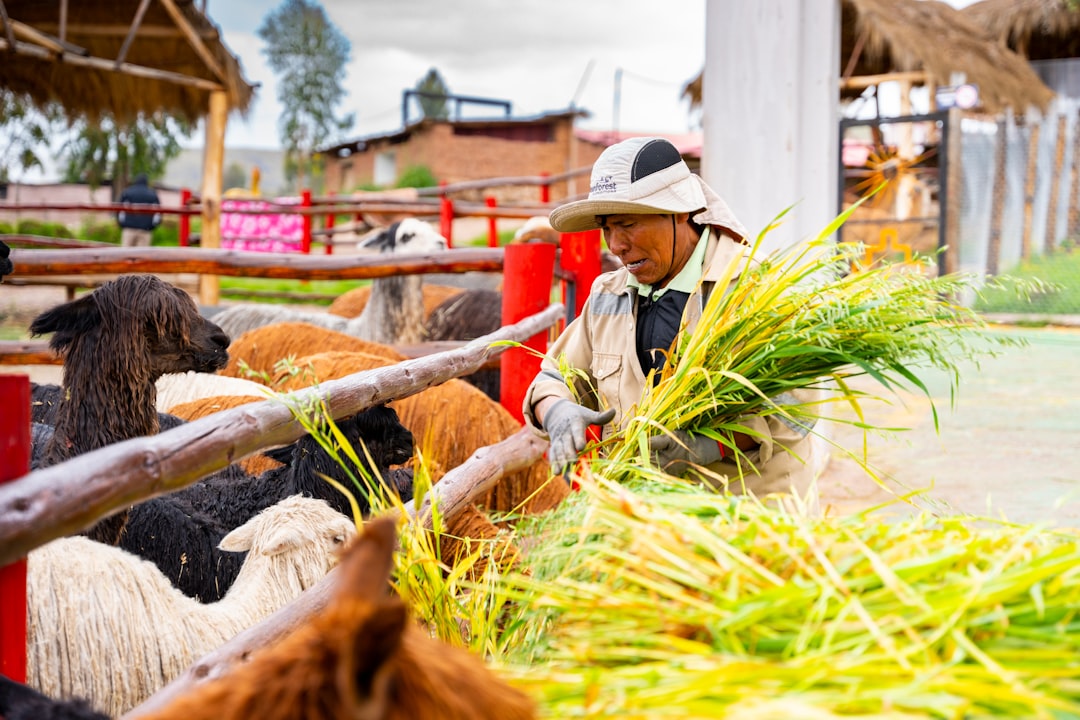
The agriculture sector in Peru employs a significant portion of the population, particularly in rural areas. As reported by Career Ahead’s analysis of geocountries.com, the economic slowdown has led to a decrease in agricultural output, which is crucial for local economies. Farmers in the Huaura Valley, known for its blueberries, are particularly affected. The unusual weather conditions have disrupted harvest cycles, leading to a drop in production. The blueberry industry, which has been a beacon of growth in recent years, is now facing a downturn that could have lasting implications for farmers and their families.
Career Ahead research finds that the decline in blueberry production could result in a loss of income for many farmers. This not only affects their immediate financial stability but also impacts local businesses that rely on agricultural output. In regions where agriculture is the backbone of the economy, such a decline can have ripple effects throughout the community. Local suppliers of seeds, fertilizers, and equipment are also feeling the strain, as reduced production means lower demand for their products. This interconnectedness highlights how a downturn in agriculture can lead to broader economic challenges.
As reported by Career Ahead’s analysis of geocountries.com, the economic slowdown has led to a decrease in agricultural output, which is crucial for local economies.
The implications of this hiring slowdown are profound. With fewer positions available, job seekers face increased competition for roles, while HR managers must rethink their…
Moreover, the economic implications extend beyond just the farmers themselves. Local businesses that depend on the agricultural sector, such as suppliers and transport services, are also facing challenges. With reduced production, these businesses may see a decline in sales, which could lead to further job losses in the region. The situation is dire for many, as the agricultural sector struggles to adapt to these new realities. As the agricultural sector struggles, many workers may need to consider alternative employment options. This shift could lead to an increase in labor supply in other sectors, potentially saturating job markets that are already facing challenges due to the economic slowdown.
In light of these developments, it is essential for agriculture workers to stay informed about market trends and consider diversifying their skills. The ability to adapt to changing economic conditions will be crucial for long-term sustainability in their careers. The need for innovation in agricultural practices, including the adoption of technology and sustainable farming methods, is becoming increasingly important as farmers seek to mitigate the impacts of climate change and economic instability.
Challenges for the Fishing Industry
The fishing industry in Peru is another critical area affected by the economic slowdown. Fishermen have reported a significant decline in output, which has led to job losses and reduced income for many families. According to Career Ahead’s analysis, the fishing sector is facing unprecedented challenges due to both environmental factors and economic pressures. The decline in fish stocks has been particularly severe, with many fishermen experiencing decreased catches, which has been attributed to overfishing and changing ocean conditions. This has made it increasingly difficult for them to maintain a stable income. As a result, some have been forced to leave the industry altogether, seeking alternative employment opportunities.
The decline in fishing jobs not only affects the fishermen themselves but also has broader implications for coastal communities. Local economies that rely heavily on fishing are facing increased uncertainty as job losses mount. This situation could lead to a rise in poverty levels in these areas, further exacerbating the economic challenges faced by families. The fishing industry, which has historically been a source of stability and income for many coastal communities, is now at a crossroads, with many fishermen struggling to adapt to the changing landscape.
Career Ahead’s analysis identifies that the fishing industry’s struggles are indicative of a larger trend affecting many sectors in Peru. As the economy slows, industries that rely on natural resources are particularly vulnerable to fluctuations in output, which can lead to significant job losses. The challenges faced by the fishing industry underscore the need for a comprehensive approach to economic recovery that includes support for sustainable practices and investment in alternative livelihoods for affected workers.
Triyoga, once a favorite among celebrities and fitness enthusiasts, faced significant financial challenges leading to its downfall. Instructors reported that they had not received their…
The challenges faced by the fishing industry underscore the need for a comprehensive approach to economic recovery that includes support for sustainable practices and investment in alternative livelihoods for affected workers.
Looking ahead, it is crucial for fishing industry professionals to explore new markets and consider alternative fishing practices. Sustainable fishing methods and diversification could provide pathways to stability in an uncertain economic landscape. As Peru navigates these economic challenges, the focus on sustainable practices will be essential for both the agriculture and fishing sectors. The need for adaptation and resilience is more pressing than ever, as workers and local businesses strive to overcome the impacts of the economic slowdown.
Frequently Asked Questions
What are the current challenges for agriculture workers in Peru?
Current challenges for agriculture workers in Peru include reduced yields due to unusual weather patterns and economic instability. Many farmers in regions like the Huaura Valley are facing declining production, which directly impacts their income and the local economy.
How can fishing industry professionals adapt to economic changes?
Fishing industry professionals can adapt to economic changes by exploring new markets and considering sustainable fishing practices. Diversification and the adoption of eco-friendly methods may help stabilize income and ensure long-term viability.
What should economic analysts consider when evaluating Peru’s agricultural output?
Economic analysts should consider factors such as weather patterns, market demand, and the sustainability of farming practices when evaluating Peru’s agricultural output. Understanding these dynamics can provide insights into potential future trends and challenges for the sector.



Industry & Global Trends
Industry & Global Trends