India is on the brink of a significant transformation in its agricultural sector with the anticipated launch of the PM-KUSUM 2.0 initiative. This new phase of the Pradhan Mantri Kisan Urja Suraksha evam Utthaan Mahabhiyan (PM-KUSUM) scheme will introduce dedicated components for agrivoltaics, a practice that combines solar energy generation with agricultural activities. Union Minister for New and Renewable Energy, Pralhad Joshi, is expected to announce this initiative soon, which aims to support small and marginal farmers across the country.
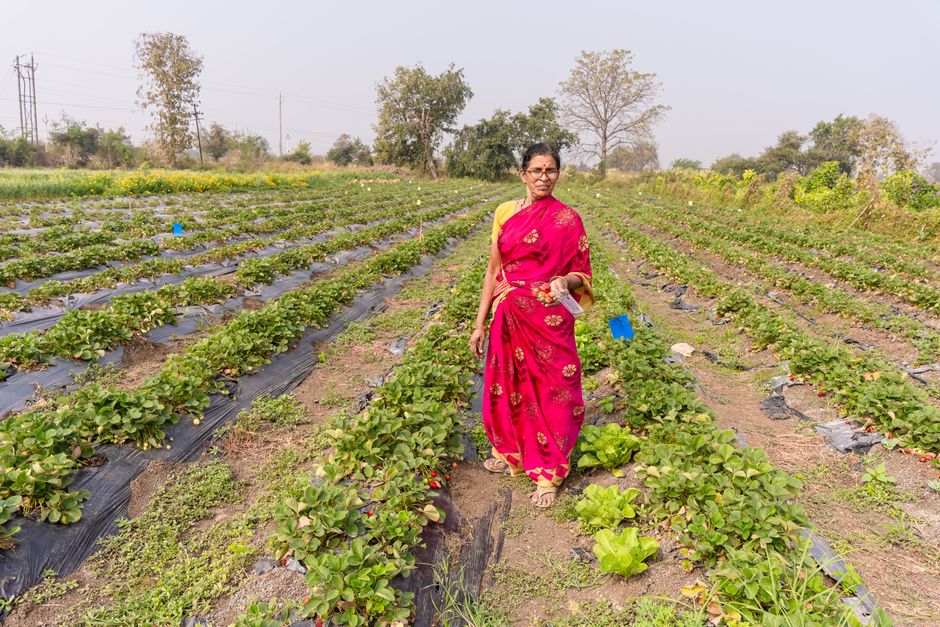
Originally launched in 2019, the PM-KUSUM scheme has played a crucial role in promoting solar energy use in agriculture. The second phase will specifically focus on agrivoltaics, allowing farmers to cultivate crops beneath solar panels. This innovative approach is expected to maximize land use, enhance crop yields, and increase energy production, ultimately leading to greater income stability for farmers.
Transforming Agricultural Practices
The introduction of agrivoltaics under PM-KUSUM 2.0 marks a pivotal shift towards sustainable farming practices in India. By enabling farmers to grow crops under solar panels, this initiative not only optimizes land use but also enhances productivity. The dual-use approach could provide farmers with a steady income from both agricultural yields and energy sales, creating a more resilient economic model.
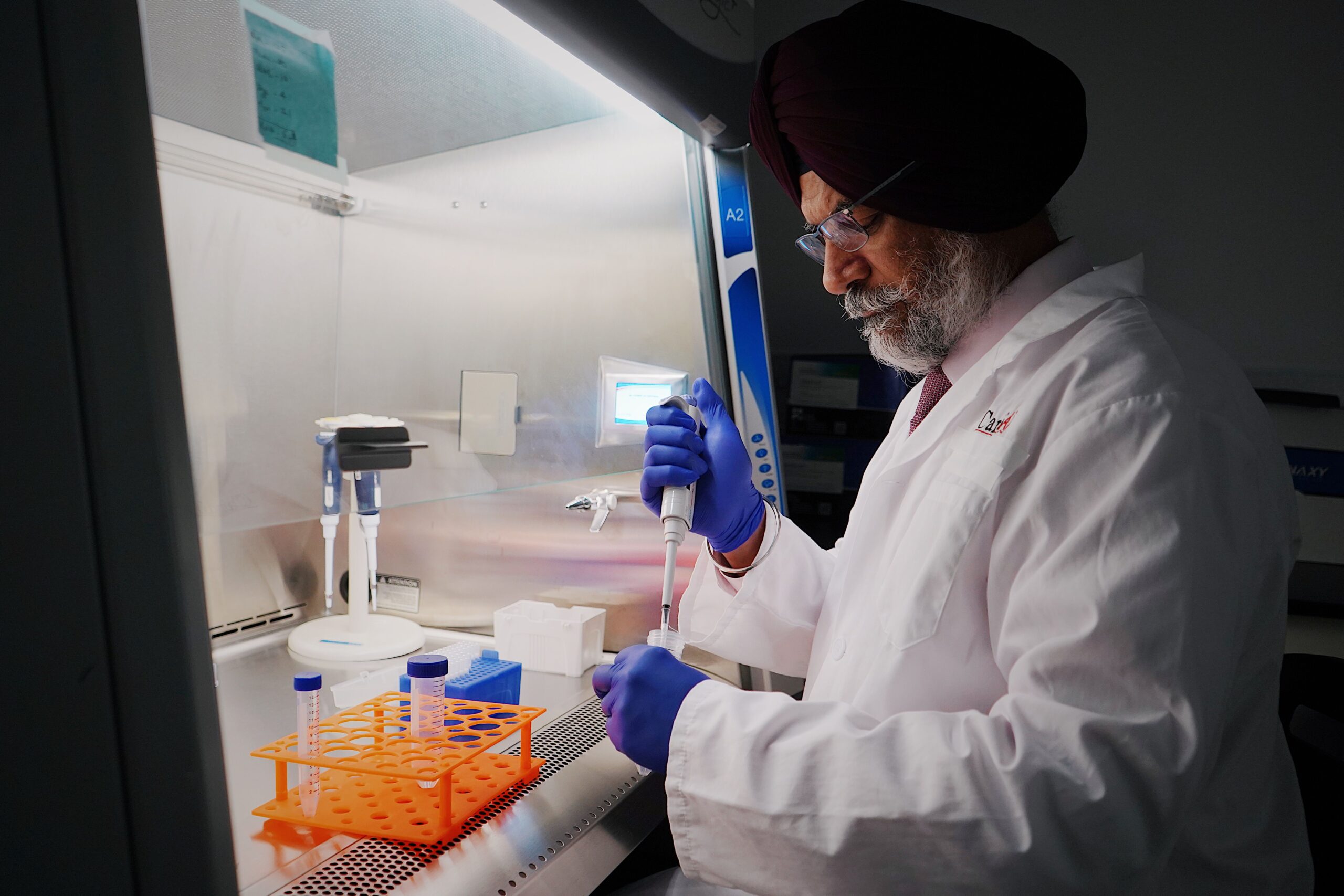
Moreover, the agrivoltaics sector is poised to generate a variety of job opportunities. Renewable energy engineers will be essential in designing and implementing solar energy systems tailored for agricultural settings. Agricultural technology innovators will also play a vital role in developing solutions that optimize crop growth under solar panels, ensuring that energy generation and farming can coexist effectively. The government’s commitment to fostering innovation in this sector will require skilled professionals capable of bridging the gap between energy production and agricultural needs.
Skills and Collaboration in Agrivoltaics
As the demand for skills in agrivoltaics rises, professionals will need to focus on integrating solar technologies with agricultural practices. Engineers must understand the technical aspects of solar energy systems, while agricultural innovators will need to grasp the nuances of crop management. This intersection of skills will be crucial for the successful implementation of agrivoltaics across India’s diverse agricultural landscapes.
This intersection of skills will be crucial for the successful implementation of agrivoltaics across India’s diverse agricultural landscapes.
Collaboration between engineers and farmers will be essential, as practical insights from the field can inform the design of more effective solar installations. The government emphasizes the importance of research in this field, encouraging industry stakeholders to explore agrivoltaic applications suitable for various crops and climatic conditions. This collaborative effort will not only foster innovation but also ensure that the agrivoltaics sector can adapt to the unique challenges presented by different geographical regions.
Environmental and Economic Benefits
The PM-KUSUM 2.0 initiative is more than just a policy change; it represents a strategic move towards a sustainable energy and agricultural framework in India. By integrating agrivoltaics, the government addresses the urgent need for renewable energy sources while simultaneously supporting the agricultural sector, which is vital for the country’s economy. This dual focus aligns with global trends towards sustainability and energy efficiency, positioning India as a leader in innovative agricultural practices.
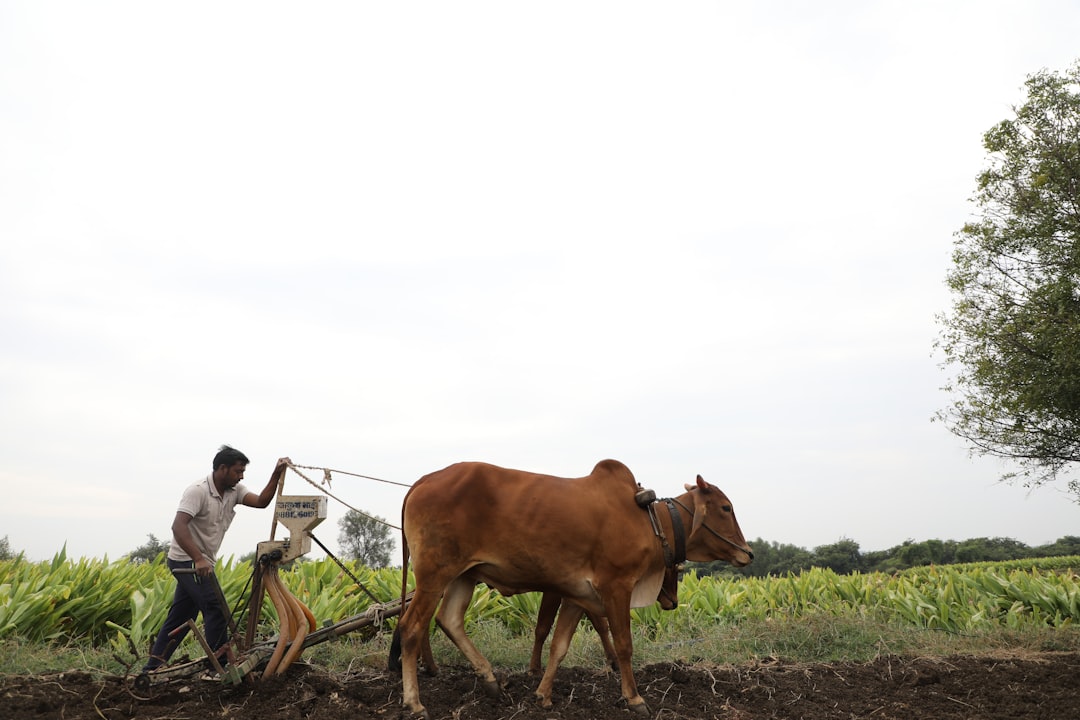
Implementing PM-KUSUM 2.0 could lead to a significant reduction in carbon emissions from the agricultural sector. By utilizing solar energy, farmers can decrease their reliance on fossil fuels for irrigation and other farming activities. This transition not only benefits the environment but also aligns with India’s commitments to international climate agreements. The integration of renewable energy into agriculture can significantly contribute to achieving the Sustainable Development Goals (SDGs), particularly those related to climate action and sustainable agriculture.
The economic implications are profound. As agrivoltaics gain traction, investment in this sector is likely to increase, attracting both domestic and international stakeholders. This influx of capital can lead to the development of new technologies and infrastructure, further enhancing India’s renewable energy capabilities. Job creation in both sectors will be a direct result of this investment, providing opportunities for a new generation of engineers and agricultural innovators.
Educational Opportunities and Future Prospects
The PM-KUSUM 2.0 initiative also opens doors for educational institutions to play a role in training the workforce needed for this evolving landscape. As agrivoltaics becomes a prominent sector, universities and technical colleges can develop specialized programs to equip students with the necessary skills to thrive in this field. Collaboration between academia and industry will be essential in fostering a skilled workforce that can meet the demands of this emerging market.
The future of agrivoltaics in India looks promising, with the potential for significant advancements in both energy production and agricultural sustainability. As the announcement of PM-KUSUM 2.0 approaches, stakeholders are keenly observing how this initiative will unfold and what new opportunities it will bring.
Educational Opportunities and Future Prospects The PM-KUSUM 2.0 initiative also opens doors for educational institutions to play a role in training the workforce needed for this evolving landscape.
Frequently Asked Questions
What are the implications of agrivoltaics for renewable energy engineers?
Agrivoltaics will create new roles for renewable energy engineers in India, focusing on the integration of solar technologies with agricultural practices. Engineers will need to design systems that optimize both energy production and crop yields, making their expertise crucial in this evolving landscape.

How can agricultural technology innovators leverage PM-KUSUM 2.0?
Agricultural technology innovators can benefit from PM-KUSUM 2.0 by developing solutions that enhance crop growth under solar panels. This sector will require innovations that address the unique challenges of combining agriculture with solar energy, creating opportunities for collaboration with engineers and farmers.

What skills are needed for success in the agrivoltaics sector?
Success in the agrivoltaics sector will require a blend of skills in renewable energy technology and agricultural science. Professionals will need to understand solar energy systems, crop management, and the environmental impacts of integrating these two fields to thrive in this emerging market.
Written by Career Ahead AI. AI can make mistakes, so verify key facts. Report errors to support@careeraheadonline.com.