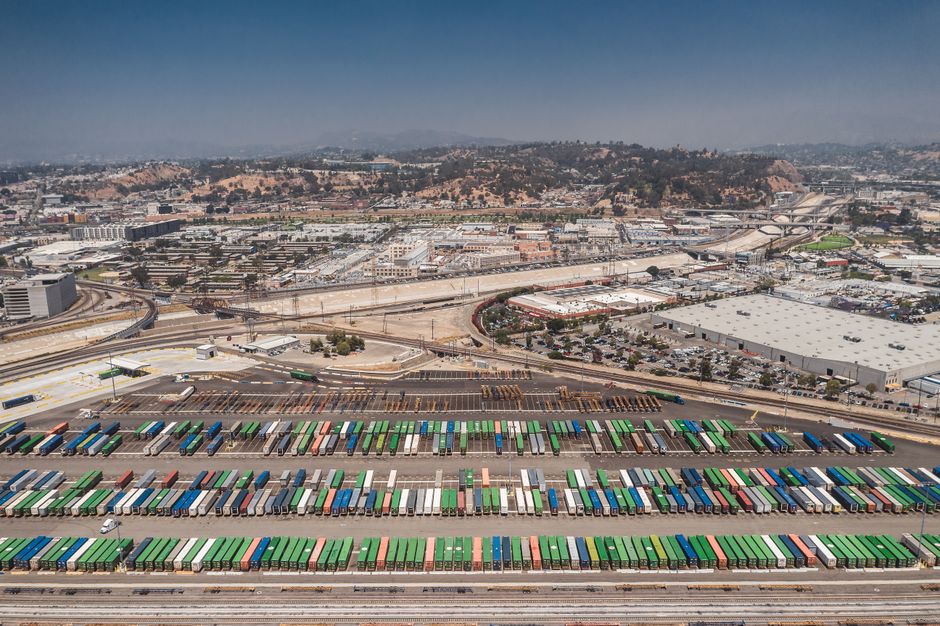
Los Angeles, USA — The Port of Los Angeles had its second-busiest July ever. Importers managed a surge in cargo despite ongoing trade war challenges. This increase reflects the complex global supply chain, where changing tariffs and policies force logistics managers to adapt quickly.
This record volume comes as importers face higher tariffs and supply chain disruptions. The Port processed 1.1 million TEUs (twenty-foot equivalent units) in July 2026. This marks a significant rise compared to previous years. The logistics sector shows resilience as importers adjust strategies to lessen the impact of tariffs and trade policies.
Adapting to Tariff Changes and Rising Costs
The ongoing trade war has caused major shifts in tariff policies that affect import costs. Recent data shows that tariffs on many goods have risen, leading to higher prices for consumers and businesses. According to Career Ahead’s analysis, the average tariff rate on imports has increased by 15% over the past year. This rise forces logistics managers to rethink their pricing strategies.
Import logistics managers must explore new sourcing strategies to keep costs down. This includes diversifying suppliers and considering regions with lower tariffs. For example, companies are looking to Southeast Asia instead of traditional manufacturing hubs in China, where tariffs have risen the most.
Data from seabaycargo.com shows that effective tariff management is key to staying competitive. Companies that quickly adapt their supply chain strategies to these changes will likely gain an edge over those that do not. This adaptability is crucial for surviving the uncertainties of trade policies.
Data from seabaycargo.com shows that effective tariff management is key to staying competitive.
Moreover, the impact of tariffs goes beyond pricing. Supply chain analysts are concerned about potential delays in shipments due to increased inspections and regulatory scrutiny at ports. This adds complexity to logistics planning, requiring firms to build extra time into their supply chain timelines.
As businesses face these challenges, technology’s role in supply chain management becomes clearer. Many companies are using advanced analytics and AI-driven solutions to forecast demand and optimize inventory levels. This proactive approach helps reduce risks from sudden changes in trade policies and tariffs.
Increased Cargo Volume: A Double-Edged Sword
The surge in cargo volume at the Port of Los Angeles brings both opportunities and challenges for logistics managers. High volumes can boost revenue for shipping companies, but they also strain existing infrastructure and resources. The port’s facilities must adapt to handle the increased load efficiently, which may need significant investment and planning.
Career Ahead research shows that the influx of cargo has led to longer wait times for trucks and vessels at the port. This bottleneck can raise operational costs and cause delays in the supply chain, affecting overall logistics efficiency. Companies must streamline their processes to minimize these disruptions.
Additionally, the increased cargo volume worsens labor shortages in the logistics sector. Many ports, including Los Angeles, struggle to hire enough qualified personnel to manage the high shipment volume. This shortage can lead to further delays and higher costs for importers.
Career Ahead’s analysis shows that companies focusing on workforce development will be better positioned to navigate today’s trade complexities.
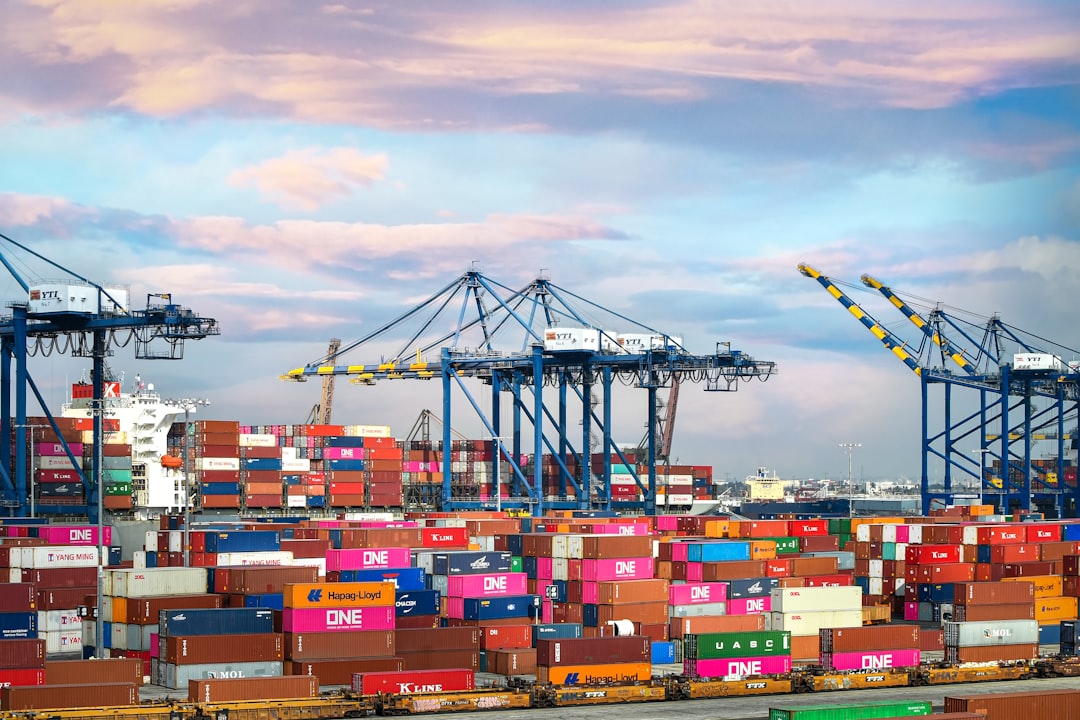
Logistics managers must manage the flow of goods while addressing workforce challenges. This includes investing in training programs to upskill current employees and attract new talent. Career Ahead’s analysis shows that companies focusing on workforce development will be better positioned to navigate today’s trade complexities.
Looking ahead, global trade policies will likely continue to impact cargo volumes at major ports. As importers adjust to new tariffs and regulations, the Port of Los Angeles must stay agile to accommodate these changes. Quick adaptation will be critical to maintaining its status as a leading gateway for international trade.
Overall, the situation at the Port of Los Angeles reflects the broader challenges facing the logistics industry today. As trade tensions persist, the need for strategic navigation of tariffs and disruptions will become even more important.
Frequently Asked Questions
What strategies can import logistics managers use to navigate trade wars?
Import logistics managers can use several strategies. They can diversify suppliers to lessen tariff impacts and use technology for better inventory management. By proactively adjusting their supply chain strategies, they can maintain cost-effectiveness and efficiency.
They can diversify suppliers to lessen tariff impacts and use technology for better inventory management.
How do supply chain analysts assess the impact of tariff changes?
Supply chain analysts assess tariff changes by analyzing historical data and forecasting future trends. They look at potential impacts on costs, delivery times, and overall supply chain efficiency to provide actionable insights to logistics managers.
What should import logistics managers do about increased cargo volumes?
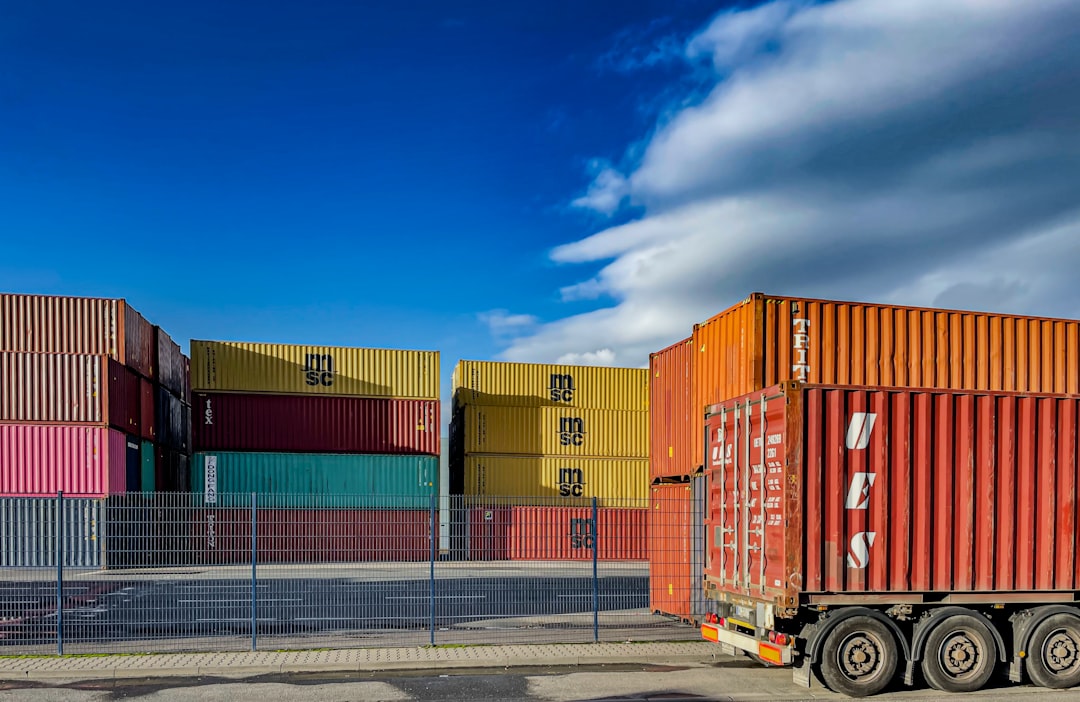
Import logistics managers should optimize operations to handle increased cargo volumes efficiently. This includes investing in technology to streamline processes and addressing workforce challenges to ensure timely handling of shipments.
Written by Career Ahead AI. AI can make mistakes, so verify key facts. Report errors to support@careeraheadonline.com.