No products in the cart.

Potential 3-4% DA Increase for Government Employees
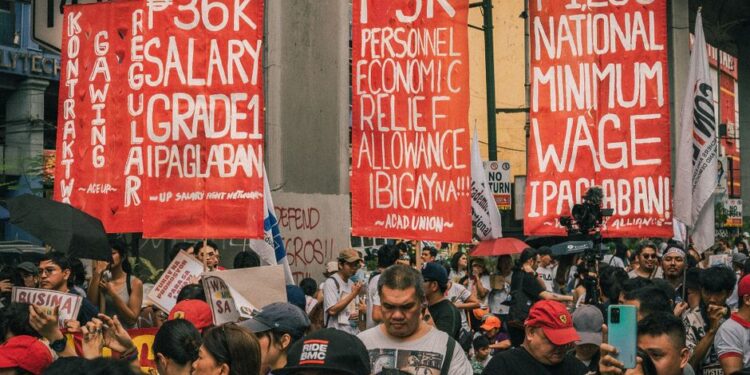
Government employees are expecting a 3-4% increase in Dearness Allowance this month, which could significantly impact their financial situation. Understanding the implications of this adjustment is crucial for effective financial planning.

India’s central government is expected to announce a 3-4% increase in Dearness Allowance (DA) for its employees this month. This change is based on the All-India Consumer Price Index (AICPI) data, which shows inflation trends affecting living costs. The final decision will depend on the June 2026 AICPI data, with an announcement expected soon.
The DA is vital for about 50 lakh central government employees and 65 lakh pensioners. It is adjusted periodically to help them manage rising living costs. A 3-4% increase would raise the current DA from 60% to around 63-64% of basic pay, significantly affecting take-home salaries.
Understanding the DA Calculation and Its Implications
Dearness Allowance is calculated using the AICPI, which measures price changes of goods and services consumed by industrial workers. According to ClearTax, the DA percentage is calculated as follows: DA percentage = [(Average of AICPI for the last 12 months – Base Index) / Base Index] x 100. This calculation is crucial for government employees as it determines their monthly income and financial stability.
The latest estimates suggest the AICPI for June 2026 will be around 151.7, based on previous trends. This could lead to a DA increase of about 3.7%, likely rounded to a 3-4% adjustment. These increases reflect the government’s response to inflation and the economic environment, directly affecting employees’ purchasing power.
Historically, the DA has been adjusted twice a year, usually in January and July, based on inflation trends. The last adjustment in April 2026 raised the DA to 60%, a 2% increase from the previous rate. This pattern shows the government’s commitment to aligning employee compensation with economic realities. Career Ahead’s analysis indicates that the upcoming hike will boost employee morale and improve their financial conditions during inflationary periods.
The implications of this potential increase are significant. For many employees, a higher DA means more disposable income. This can lead to better financial planning and increased spending in the economy. Such spending could stimulate local businesses and contribute to economic growth, creating a positive cycle for government employees and the broader economy.
Such spending could stimulate local businesses and contribute to economic growth, creating a positive cycle for government employees and the broader economy.
Wider Economic and Policy Implications
You may also like
 Government & Policy
The Necessity of a Tailored AI Safety Framework in India
India is urged to develop its own AI safety framework tailored to its unique challenges, diverging from the US model. This framework should address local…
Read More →The expected DA hike is not just about employee compensation; it reflects broader economic policies. The government’s decision to adjust DA shows its commitment to supporting public sector employees amid rising inflation. According to bankbazaar.com, these adjustments are crucial for maintaining employee satisfaction and retention, especially in the public sector.
Moreover, the DA increase can have ripple effects throughout the economy. As government employees receive higher salaries, their increased spending can boost demand for goods and services. This is especially relevant in sectors that cater to consumer needs, like retail and services. The additional income can enhance economic activity, which is vital for recovery and growth in the post-pandemic environment.
However, concerns exist about the sustainability of such increases over time. If inflation continues to rise, the government may face pressure to increase DA more often, straining public finances. Balancing adequate employee compensation with fiscal responsibility is delicate. Career Ahead’s research indicates that while DA hikes are necessary, they must be managed carefully to avoid long-term economic challenges.
Additionally, the potential DA increase may set a precedent for future adjustments in the private sector. As public sector salaries rise, private companies may feel pressured to offer competitive compensation packages to attract talent. This could lead to broader changes in wage structures across various industries, affecting overall salary trends in the country.
Career Ahead’s analysis suggests that employees who plan for this increase can significantly enhance their financial stability and resilience against future economic fluctuations.
Implications for Financial Planning
For government employees, the anticipated DA hike offers a chance for better financial planning. With a potential increase in monthly income, employees can reassess their budgets and savings strategies. This is especially important given rising living costs, as the extra income can help offset inflationary pressures.
Employees should think about how to use this additional income wisely. Whether it’s saving more, investing in long-term goals, or improving their quality of life, the DA hike can provide needed flexibility. Career Ahead’s analysis suggests that employees who plan for this increase can significantly enhance their financial stability and resilience against future economic fluctuations.
You may also like
 Government & Policy
India Must Craft Its Own AI Safety Framework
India is urged to develop a unique AI safety framework that addresses its diverse needs, emphasizing stakeholder engagement and regulatory compliance to ensure effective implementation…
Read More →Understanding the timing of DA announcements can also help employees prepare for changes in their finances. Typically, DA adjustments are announced in July, with new rates implemented shortly after. Knowing these timelines allows employees to plan their spending and savings more effectively.

In conclusion, the expected 3-4% DA hike is significant for government employees, affecting their financial planning and overall economic conditions. As the government prepares to announce this change, employees should stay informed and ready to adapt.
It remains to be seen how this adjustment will influence spending patterns and economic growth in the coming months. The government’s approach to future DA hikes in response to ongoing inflationary pressures will also be crucial.
The government’s approach to future DA hikes in response to ongoing inflationary pressures will also be crucial.
Frequently Asked Questions
How will a DA hike affect my salary?
A DA hike will increase your overall salary by a percentage of your basic pay. For government employees, this could mean an increase of 3-4% in monthly income, significantly enhancing your financial situation.
When is the announcement for the DA hike expected?
The announcement for the DA hike is expected in July 2026, following the release of the June AICPI data. This timing aligns with the government’s practice of adjusting DA twice a year.

What should government employees do to prepare for a potential DA increase?
Government employees should review their financial plans and budget accordingly. With the potential increase in income, it is wise to consider adjustments to savings and spending habits to maximize the benefits of the DA hike.
You may also like
 Government & Policy
Deepwater Gas Price Ceiling Hits $9.89/MMBtu
The Indian government has raised the price ceiling for deepwater gas to $9.89 per million British thermal units (MMBtu), effective from October 1, 2026, to…
Read More →