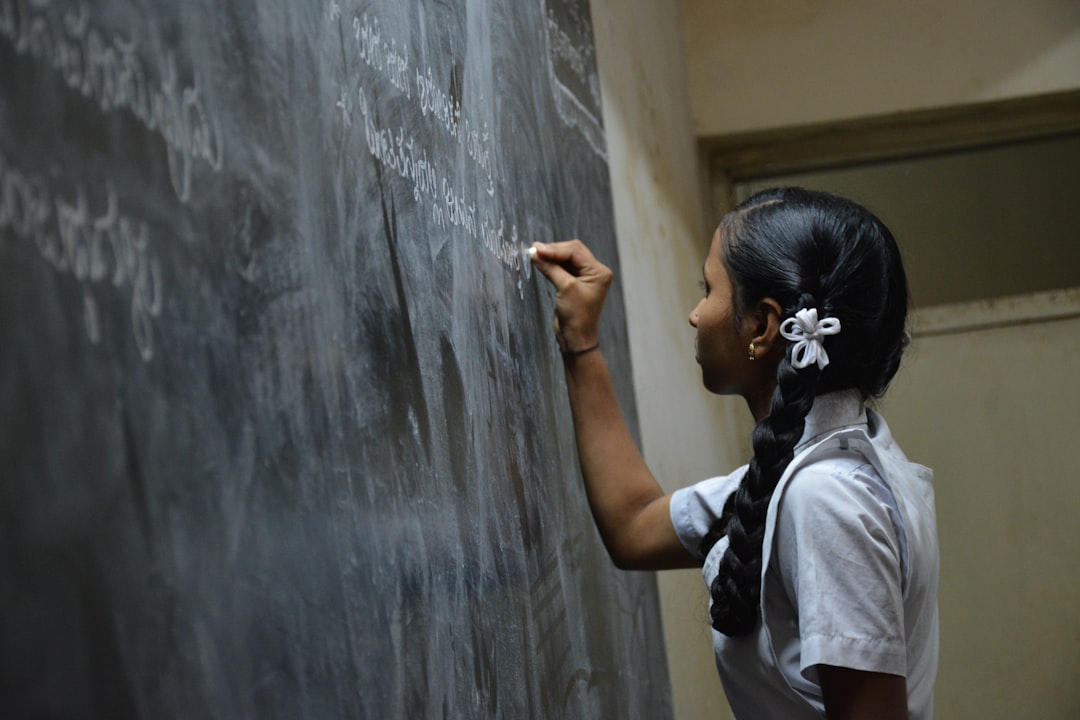
The protests, which gained momentum in early 2026, centered around issues such as rising tuition fees, inadequate infrastructure, and the need for updated curricula that reflect the current job market.
India — Education Minister Dharmendra Pradhan has resigned. This marks a significant victory for student protest movements across the country. His resignation on July 25, 2026, follows months of unrest among students who demanded reforms in educational policies. This event highlights the power of student activism and raises questions about future educational reforms under Prime Minister Narendra Modi.
The protests gained momentum in early 2026. They focused on issues like rising tuition fees, poor infrastructure, and outdated curricula that do not reflect the current job market. Students from various universities rallied together, demanding immediate action from the government. Pradhan’s departure is seen as a direct response to these pressures. Reports indicate that the protests were part of a larger wave of student activism across India, fueled by a growing awareness of rights and the impact of social media.
Shifts in Educational Policy Under Modi’s Government
Pradhan’s resignation could lead to a reevaluation of educational policies. Many have criticized these policies for being too rigid and unresponsive to student needs. Under the Modi administration, there has been a push for modernization and skill development in education. However, many students feel these initiatives have not been effectively implemented. Career Ahead analysis shows that the government’s previous strategies often sidelined student voices, leading to discontent and protests. The lack of engagement with student bodies has frustrated many students, as decisions were made without their input.
With Pradhan’s exit, there is potential for a new approach to educational reforms. This approach could prioritize student engagement. The government may adopt more inclusive policies that consider the demands and suggestions of students. This could lead to more collaborative decision-making processes and initiatives aimed at addressing specific concerns raised during the protests. Furthermore, the resignation may encourage other officials to take student activism more seriously. As students continue to organize and voice their opinions, their influence on policy decisions could grow, leading to significant changes in educational reforms.
Under the Modi administration, there has been a push for modernization and skill development in education.
The UGC's recent crackdown on EdTech-university partnerships raises significant concerns for higher education institutions. This action highlights the risks associated with unrecognized collaborations and the…
According to a report from the New York Times, Pradhan’s resignation is seen as a win for the student protest movement. This movement has been vocal about their demands for a more equitable and responsive educational system. The Modi administration’s previous reluctance to address these issues may now shift. The government recognizes the need to maintain public support and legitimacy. The resignation may also reflect a broader trend of increasing responsiveness to youth activism across various sectors in India. This trend is seen in other recent movements advocating for social justice and environmental reforms.
The Rise of Student Activism and Its Implications
The recent protests and Pradhan’s resignation highlight a growing trend of student activism in India. Students are becoming more aware of their rights and are willing to mobilize for change. This shift is significant not just for education but for the political landscape as a whole. As young people engage politically, their demands could reshape government policies beyond education. Social media has fueled these protests, allowing students to organize and amplify their voices quickly. This digital engagement has changed activism dynamics, making it easier for students to connect and share experiences. Career Ahead analysis finds that this new wave of activism may inspire similar movements in other sectors, as students demand accountability and transparency from leaders.
Moreover, the resignation of a prominent figure like Pradhan could empower students to continue their advocacy efforts. With a visible victory, students may feel more motivated to push for further reforms in education and other areas like employment and social justice. This could lead to a more dynamic political environment where youth voices are influential. The New York Times highlights that the resignation shows the power of collective action among students. Their ability to mobilize could lead to further changes in government policy.
As student activism grows, it is essential for the government to engage with these voices. The future of educational policy in India may depend on how well the government listens to and collaborates with student groups. This engagement could lead to more effective policies that genuinely address student needs. Ultimately, Pradhan’s resignation represents both a challenge and an opportunity for the Modi government. How the administration responds to this moment will shape the future of educational reforms and the role of student activism in India.
The implications of Pradhan’s resignation extend beyond immediate policy changes. As students mobilize and advocate for their rights, the government will need to navigate this new landscape carefully. Will the Modi administration embrace this shift towards greater engagement? Or will it revert to a more traditional, top-down approach? The answers to these questions will determine the future of education and youth activism in India.
The PhD for Executives program is designed specifically for individuals with substantial professional experience. Applicants must have at least five years in industries registered as…
The future of educational policy in India may depend on how well the government listens to and collaborates with student groups.
Frequently Asked Questions
What are the implications of the Education Minister’s resignation for college students in India?
Career Ahead analysis shows that the resignation may lead to more responsive educational policies that consider student concerns. This could result in improved infrastructure, updated curricula, and a greater emphasis on student engagement in decision-making processes.
How might this change affect education policy analysts’ work?
Education policy analysts may need to reassess their frameworks and predictions. They will likely focus more on student-led initiatives and the government’s responsiveness to these movements in their analyses.
What should college students do to stay informed about educational reforms following this resignation?
College students should engage with student organizations and follow news about educational policy changes. Staying connected with peers and participating in discussions can help them remain informed about potential reforms and their impact on education.




 Education & University Insights
Education & University Insights