Activist groups are escalating protests against AI firms, demanding accountability and ethical practices in AI development. The Pull The Plug movement is at the forefront, reflecting a growing global concern over the implications of AI technologies.
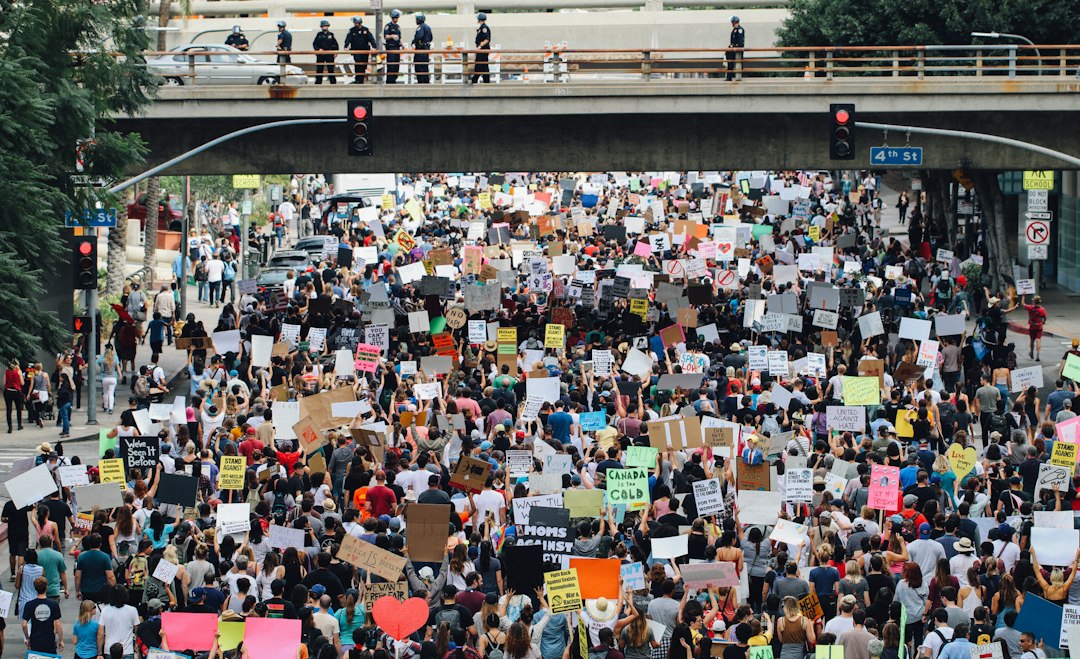
Protests against artificial intelligence firms are growing. Activist groups like Pull The Plug are taking direct action to express their concerns. These protests have gained momentum due to alarming reports about AI’s potential dangers. Researchers have warned about existential risks. Activists now demand accountability and transparency from AI developers. This could lead to major changes in how AI technologies are regulated and developed.
The Pull The Plug movement started in January 2026. It has quickly gained attention by organizing protests across the UK and beyond. The group has around 300 members, mostly aged 20 to 40. They aim to disrupt AI industry events and raise awareness about the risks posed by AI technologies. Recent protests, including one at a tech dinner with Nvidia executives, have shown their tactics and commitment. The movement has support from various sectors, such as environmentalists and labor rights advocates. They see parallels between AI’s potential to displace jobs and broader issues of corporate accountability.
Increased Scrutiny on AI Ethics and Accountability
Recent protests have highlighted growing public concern about AI technologies and their societal implications. Activists argue that the rapid development of AI systems, often without oversight, poses significant risks. For example, a report by Anthropic warned that advanced AI could lead to catastrophic outcomes. This has increased public engagement with the anti-AI movement. More individuals are joining the cause, leading to greater scrutiny of AI ethics and accountability. The Guardian reported that Pull The Plug is part of a broader coalition, PauseAI, which spans 17 countries. They call for a moratorium on AI development until comprehensive safety measures are established, reflecting a global consensus on the need for caution.
Career Ahead’s analysis shows that this heightened public awareness may influence regulations surrounding AI development. As protests gain traction, policymakers may feel pressured to implement stricter rules that prioritize ethical considerations and accountability. This shift could mean that AI developers will face a more complex regulatory environment. They will need to focus on transparency and the ethical implications of their technologies. The protests have sparked discussions about the ethical responsibilities of AI developers. Ongoing dialogue between technologists and affected communities is essential.
Additionally, organizations like PauseAI have reported a significant increase in membership and volunteer engagement. This indicates a broader movement that transcends national boundaries. With members from 17 countries, the coalition advocates for a pause in AI development until safety measures are established. This international aspect adds weight to the protests, reflecting a global consensus on the need for caution in AI advancements. As protests continue, AI ethicists and developers must pay attention to evolving public sentiment. The demands for accountability and ethical standards are becoming more pronounced. Ignoring these voices could lead to reputational damage for AI firms. Activists may compel companies to adopt stronger ethical frameworks, changing how AI technologies are developed and deployed.
Career Ahead’s analysis shows that this heightened public awareness may influence regulations surrounding AI development.
Potential Changes in Regulatory Frameworks Affecting AI Development
The current wave of protests signals a potential shift in regulatory frameworks for AI technologies. Activists are calling for greater oversight, prompting governments to reconsider existing regulations. They may implement new measures to ensure the safe and ethical use of AI. For instance, countries might introduce laws requiring AI developers to conduct thorough impact assessments and engage in public consultations before launching new technologies. The Guardian highlighted that these protests are part of a larger movement advocating for ethical AI practices. This could lead to significant legislative changes across various jurisdictions.
Career Ahead research indicates that the demand for regulatory changes is not just a reaction to protests. It also reflects a growing recognition of AI’s societal impact. The urgency expressed by activists could lead to a more proactive regulatory approach. Governments may establish guidelines that prioritize public safety. This proactive stance could benefit developers by providing clearer frameworks. Such clarity could reduce uncertainty and foster innovation. Furthermore, young professionals and students are increasingly involved in these protests. Many express concerns about job displacement and the ethical implications of AI on their future careers. This engagement suggests that future regulations may prioritize worker protection and ethical standards that align with public values.
As regulatory changes approach, AI startups may need to adapt their business models. Companies that proactively address ethical considerations may gain a competitive advantage. The landscape increasingly values transparency and accountability. This could lead to a new era of AI development that prioritizes societal well-being alongside technological advancement. The protests have also sparked discussions about funding and support for AI startups. Investors may become more cautious, favoring companies that prioritize ethical considerations. This shift in funding dynamics could reshape the AI startup ecosystem. Entrepreneurs must align their ventures with the values expressed by the growing anti-AI movement.
The ongoing protests against AI firms highlight the need for AI ethicists and developers to engage with the public. They must address community concerns as the movement gains momentum. The demands for accountability represent a significant shift in public sentiment that could reshape the future of AI development. Software developers must understand the implications of these protests. The landscape of AI development is evolving, and those who fail to adapt may find themselves at a disadvantage. Staying informed about regulatory changes and participating in discussions around ethics will be essential for developers aiming to thrive.
The protests remind us that public perception can significantly impact technological advancements. AI ethicists and developers must prioritize ethical considerations and engage with community concerns. This will foster trust and acceptance of AI technologies. As the movement continues to grow, collaboration between developers and activists may lead to innovative solutions. These solutions can address societal concerns while advancing AI capabilities. As the protests evolve, it remains to be seen how regulators, developers, and ethicists will respond. Will demands for accountability lead to meaningful changes in AI development? The coming months will be critical in determining AI’s future role in society.
OpenAI is set to implement an invisible watermark on text generated by ChatGPT and Codex in the EU, enhancing transparency in AI-generated content. This initiative…
The demands for accountability represent a significant shift in public sentiment that could reshape the future of AI development.
Frequently Asked Questions
What ethical considerations should AI ethicists focus on in light of recent protests?
AI ethicists should prioritize transparency, accountability, and public engagement. Protests highlight concerns about AI’s societal impact. Ethicists must ensure that ethical frameworks are integrated into AI development processes.
How might software developers in AI adapt to changing public sentiment?
Software developers should stay informed about regulatory changes and engage in discussions around ethics. By understanding public concerns, developers can create technologies that align with societal values and foster trust.
What should tech policy analysts do about the rise of direct action against AI firms?
Tech policy analysts should monitor the evolving landscape of AI protests and their implications for regulation. They need to advocate for policies that address public concerns while supporting innovation in AI technologies.




AI & Technology
 AI & Technology