No products in the cart.

Public Ownership Reshapes British Steel Workforce
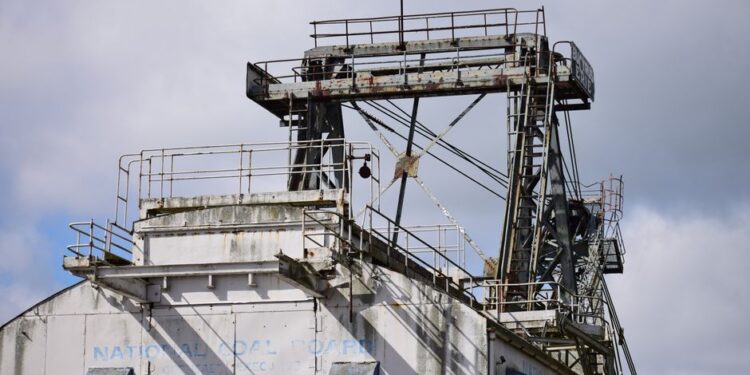
The UK government’s decision to bring British Steel under public ownership aims to secure jobs and stabilize the steel supply chain. This move has significant implications for steelworkers in Scunthorpe and the broader manufacturing industry.

UK — The government has taken British Steel into public ownership as of July 16, 2026. This decision aims to protect jobs and ensure the stability of the UK steel supply chain. British Steel employs around 2,700 people in Scunthorpe. The company has faced significant challenges, including financial losses and uncertainty about its future.
Prime Minister Sir Keir Starmer stated that this move secures the future of steelmaking in the UK. It also protects skilled jobs. The government intervened after the company, previously owned by the Chinese firm Jingye Group, was losing about £700,000 daily. Nationalization is seen as a crucial step to sustain an industry that supports many other sectors, especially in North Lincolnshire.
Implications for Job Security and Local Economy
The nationalization of British Steel is expected to significantly impact job security for steelworkers. With the government now in control, there is a renewed focus on stabilizing operations and investing in the workforce. This could mean more secure jobs for the 2,700 workers in Scunthorpe, who have been worried about the plant’s future.
Government sources say there is a commitment to maintain current jobs and potentially create new ones. This aligns with the broader strategy to reindustrialize the UK and reduce reliance on foreign steel. The local economy in Scunthorpe, which depends heavily on the steelworks, stands to benefit significantly from this stability.
Career Ahead’s analysis finds that public ownership could lead to increased investment in modernizing steel production. This modernization may require new skills, especially in sustainable practices and technology. As the industry shifts towards greener methods, workers will need to adapt to keep their roles relevant.
The government’s focus on sustainable steel production suggests that job security will involve evolving roles. This could provide opportunities for training and development, essential for the workforce to thrive in a changing economy.
This could provide opportunities for training and development, essential for the workforce to thrive in a changing economy.
You may also like
 Government & Policy
UK’s Tough Jobs Market Threatens Burnham’s Aim to `Bring Back Hope’
The grim employment landscape is a critical test for Prime Minister Andy Burnham as he seeks to instill hope in the nation’s workforce amid declining…
Read More →Moreover, the local economy is likely to feel a positive ripple effect from this decision. Increased job security at British Steel can lead to more spending in the community, supporting local businesses and services. This interconnectedness shows the importance of the steelworks as both an employer and a pillar of the Scunthorpe economy.
Potential Changes in Manufacturing Regulations
The nationalization of British Steel could signal changes in manufacturing regulations in the UK. As the government takes over, there may be a shift in how steel production is regulated, especially regarding environmental standards. The Steel Act allows for nationalization when it meets public interest criteria, which could lead to stricter regulations aimed at reducing carbon emissions.
Industry experts suggest that the government may implement policies encouraging innovation in steel production. This could include incentives for companies investing in clean technologies or penalties for those that do not comply with new environmental standards. Such changes could reshape the manufacturing sector, impacting not only British Steel but also its competitors.
Career Ahead research indicates that as British Steel transitions to public ownership, it may become a model for other struggling industries. The government’s commitment to a sustainable and competitive steel sector could inspire similar actions in other foundational industries, leading to broader economic implications.
Furthermore, nationalization might influence how the UK government approaches trade agreements, especially regarding steel imports. With a focus on strengthening domestic production, there could be a push for policies favoring local manufacturers over foreign suppliers. This could lead to a more self-sufficient approach to steel production, enhancing national security and reducing vulnerability to global market fluctuations.
Understanding these changes will be crucial for steelworkers and industry professionals navigating the new landscape shaped by government policies.
As regulations evolve, the manufacturing workforce will need to stay informed and adaptable. Understanding these changes will be crucial for steelworkers and industry professionals navigating the new landscape shaped by government policies.
Looking Ahead: Future Developments
Looking ahead, British Steel’s transition to public ownership raises questions about the future of the UK steel industry. Will the government’s investment lead to a successful turnaround, or will challenges persist? The coming months will be critical as the government outlines its plans for revitalizing British Steel and ensuring its long-term viability.
You may also like
 Government & Policy
SIAM Revises Stance on E20 Chloride Concerns
SIAM's initial letter had warned that high chloride levels in E20 fuel could lead to corrosion and wear of vital vehicle components, including fuel injectors…
Read More →Additionally, the focus on sustainable practices may lead to increased scrutiny of existing operations. Workers and management will need to collaborate closely to meet new standards and expectations. The outcome of this collaboration will play a significant role in the success of the nationalization effort.
Moreover, as the government invests in British Steel, there may be a push for transparency and accountability regarding fund allocation. Stakeholders, including workers, local communities, and industry experts, will be watching closely to assess the impact of this significant policy shift.
Ultimately, the future of British Steel and its workforce hinges on the government’s ability to implement effective strategies that bolster the steel industry. As the situation develops, it will be essential to monitor how these changes unfold and their implications for steelworkers and the broader manufacturing sector.
Ultimately, the future of British Steel and its workforce hinges on the government’s ability to implement effective strategies that bolster the steel industry.
Frequently Asked Questions
What are the implications of British Steel’s public ownership for steelworkers?
The public ownership of British Steel is expected to enhance job security for steelworkers in Scunthorpe. With the government in control, there is potential for increased investment in sustainable practices, leading to new job opportunities and skill development.
How does public ownership affect the manufacturing industry in the UK?
Public ownership of British Steel could lead to significant changes in manufacturing regulations, particularly concerning environmental standards. This may reshape the competitive landscape of the steel industry and encourage innovation in production methods.
What should steelworkers do to prepare for changes in their employment status?
Steelworkers should stay informed about the evolving landscape of the steel industry as public ownership unfolds. Engaging in training and skill development will be crucial as the sector shifts towards more sustainable practices and technologies.
You may also like
 Government & Policy
Tax Implications of Selling US Shares After Returning to India
Indians returning home from the United States with investments in US-listed shares face significant tax implications governed by the Income Tax Act.
Read More →