No products in the cart.

Punjab Government Demands DA Hike, OPS, Pension Revision
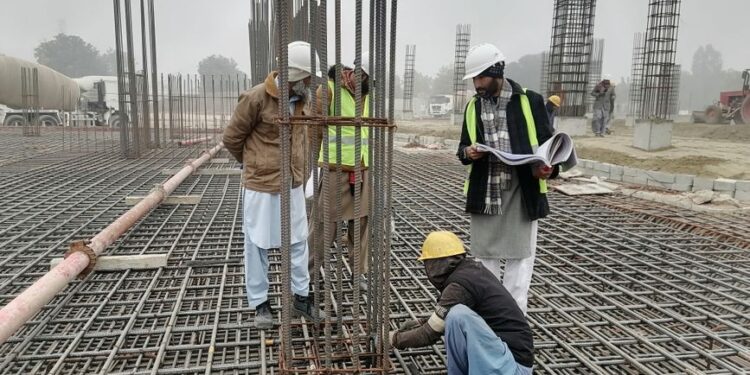
The JAC's recent demonstrations, including a rally planned for July 17, aim to pressure the Punjab government to address their demands.

Punjab, India — State government employees and pensioners in Punjab are pushing for major financial reforms. They want an 18% increase in Dearness Allowance (DA) and the restoration of the Old Pension Scheme (OPS). The Joint Coordination Committee (JAC) of Punjab Government Employees and Pensioners has organized protests and submitted demands to the state government. They emphasize the urgent need for these changes to ensure their financial well-being.
The JAC’s recent demonstrations include a rally planned for July 17. They aim to pressure the Punjab government to address their demands. The committee argues that the proposed DA hike and pension revisions are critical. Rising living costs are impacting their livelihoods. Leaders of the committee have expressed frustration over the government’s delays in fulfilling previous commitments regarding employee compensation and pension benefits.
Current Demands for Dearness Allowance and Pension Revisions
The JAC’s main demand is for an 18% increase in DA for state government employees. They argue this increase is necessary to keep up with inflation and rising living costs. This change would provide much-needed relief to employees with stagnant wages. The last DA revision did not meet the financial needs of the workforce, especially given ongoing inflation. The Department of Expenditure is reviewing the DA for central government employees, and similar adjustments are expected for Punjab state employees.
Along with the DA hike, the JAC wants to restore the Old Pension Scheme (OPS). The OPS was replaced by the New Pension Scheme (NPS), which many employees feel lacks adequate retirement security. The OPS provides a defined benefit pension, ensuring retirees receive a predictable income based on their last salary. This stability is crucial during retirement. The shift to NPS has left many employees worried about their financial future, as it depends on market performance rather than guaranteed returns. Reports from ClearTax highlight growing discontent among public sector employees regarding the NPS compared to the OPS.
The JAC also emphasizes the need to revise pensions according to the 6th Punjab State Pay Commission recommendations. This revision would ensure pensions reflect current economic realities and support retired employees who have served the state for years. The committee argues that without these adjustments, many pensioners will struggle to meet their basic needs. Additionally, the demand for the implementation of the 4-9-14 Assured Career Progression (ACP) Scheme is gaining traction. This scheme aims to provide regular salary increases based on years of service. The JAC also seeks the withdrawal of notifications related to probation and pay rules that have negatively impacted many employees. These demands reflect a broader push for fair compensation and job security within the Punjab government workforce.
The shift to NPS has left many employees worried about their financial future, as it depends on market performance rather than guaranteed returns.
You may also like
 Government & Policy
New Indonesia Finance Chief Steers Clear of Prabowo Turf Wars
Indonesia's new finance chief emphasizes collaboration in economic policy, aiming to reshape governance and engage diverse stakeholders in addressing the country's economic challenges.
Read More →Moreover, the JAC advocates for restoring gratuity benefits and minimum wage adjustments. They believe these are essential for ensuring a dignified standard of living for all employees. The committee’s demands focus not only on immediate financial relief but also on establishing a framework for sustainable employee welfare. As inflation continues to erode purchasing power, the urgency of these demands becomes increasingly clear.
Implications of the Proposed Changes
Career Ahead’s analysis shows that the proposed DA hike and pension revisions could greatly impact the financial stability of Punjab state government employees and pensioners. An 18% increase in DA would lead to a significant rise in monthly incomes. This change would give employees more disposable income to manage daily expenses. It is particularly crucial given the rising costs of essential goods and services that strain household budgets. Increased spending power among state employees could boost local economies, as higher disposable incomes usually lead to more consumer spending.
Restoring the OPS could enhance retirement security for many employees, easing fears about their financial future. Pensioners who rely solely on their pensions would benefit from the predictability of the OPS, which is vital for long-term financial planning. This shift might also encourage more individuals to consider careers in public service, knowing their retirement will be secure. The implications of these changes extend beyond individual employees; they could also improve overall morale within the public sector, fostering stability and commitment among the workforce.
However, concerns remain about how the Punjab government will finance these proposed increases. The state has faced financial constraints in recent years, and meeting these demands could require significant budget reallocations. The government’s response will be closely monitored, as it may set a precedent for public sector compensation in the future. Discussions from the Finance Department of Haryana indicate that similar adjustments in neighboring states have prompted calls for equitable treatment across regions, adding pressure on the Punjab government to respond positively.

As the government weighs its options, balancing fiscal responsibility and employee welfare will be key in shaping future policies.
As the July 17 rally approaches, pressure on the Punjab government to respond to these demands intensifies. Employees and pensioners are ready to escalate their protests if their concerns are not addressed. This indicates growing dissatisfaction with the current situation. The Punjab government has acknowledged the need to review the DA and pension structures. Discussions are already underway regarding potential arrears for employees and pensioners. The Department of Expenditure is considering payments for pending DA and dearness relief dues, which could provide some relief to employees awaiting financial adjustments.
You may also like
 Government & Policy
Sebi penalises SMC Global Securities for compliance lapses
SEBI's findings indicated that SMC Global did not keep appropriate pre-order placement records for some clients and could not provide relevant documentation for multiple orders,…
Read More →The current demands for DA hikes and pension revisions highlight a critical moment for Punjab state employees and pensioners. The outcomes of these negotiations will have lasting implications for their financial security and morale. As the government weighs its options, balancing fiscal responsibility and employee welfare will be key in shaping future policies. Looking ahead, the potential for increased protests and demands for further reforms remains high. Employees and pensioners are unwilling to accept inaction, and their growing mobilization signals a readiness to fight for their rights. The July 17 rally is set to be a significant event that could determine the direction of these demands.
Ultimately, the Punjab government’s response to these pressing issues will affect the lives of state employees and pensioners. It may also influence broader public sector policies across India. As other states observe Punjab’s handling of these demands, the outcome could set a precedent for addressing similar issues nationwide.
Frequently Asked Questions
What is the current dearness allowance for Punjab state government employees?
Currently, the dearness allowance for Punjab state government employees is under review. The Joint Coordination Committee of Punjab Government Employees and Pensioners is pushing for an 18% increase.
Currently, the dearness allowance for Punjab state government employees is under review.
How will the pension revision affect retired employees in Punjab?
The pension revision is expected to improve financial security for retired employees. It aims to align their pensions with current economic conditions, especially through restoring the Old Pension Scheme, which offers guaranteed benefits.
What steps can Punjab pensioners take to advocate for better pension policies?
Punjab pensioners can join organized protests, like the upcoming rally on July 17. They can also engage with the Joint Coordination Committee to voice their concerns and push for restoring the Old Pension Scheme and other benefits.
You may also like
 Government & Policy
Robotaxi operators will face fines for blocking first responders
California's new law imposes fines on robotaxi operators for obstructing emergency services, marking a significant regulatory shift in the autonomous vehicle industry.
Read More →