No products in the cart.

Qantas Adjusts Flight Schedule Amid Rising Demand and Costs
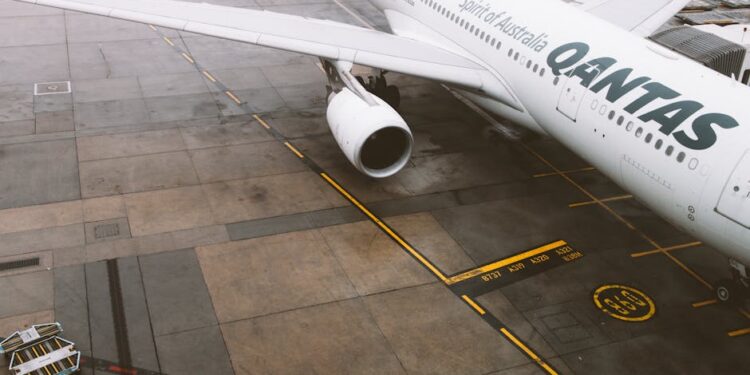
Qantas is cutting domestic flights and raising fares as it shifts focus to high-demand European routes. This move comes amid rising fuel costs and changing travel patterns due to the Middle East turmoil.

Australia’s Qantas Airways has announced significant changes to its flight operations, cutting domestic flights and raising fares as it adapts to shifting travel patterns influenced by ongoing turmoil in the Middle East. This strategic pivot aims to capitalize on increasing demand for flights to Europe, particularly to popular destinations like Paris and Rome.
In a market update released on April 14, 2026, Qantas reported a 5% reduction in domestic flight capacity for May and June. This includes cuts on key routes connecting major state capital cities and some regional services. The adjustments come as Middle Eastern carriers, such as Emirates and Qatar Airways, have reduced their services due to the Iran conflict, prompting travelers to seek alternatives.
Rising Fuel Costs Impacting Operations
While Qantas is benefiting from the demand for flights that transit through Asia, it faces rising operational costs attributed to surging oil prices. The airline’s expected fuel bill for the second half of the 2026 financial year is projected to reach between $3.1 billion and $3.3 billion, a significant increase from its earlier forecast of $2.2 billion. This escalation in costs has led Qantas to adjust its pricing strategy, raising ticket prices to offset the financial burden.
According to Bloomberg, the spike in oil prices is largely driven by the ongoing conflict in the Middle East, which has disrupted global energy supplies. This situation has left airlines like Qantas in a challenging position, balancing the need to remain competitive while managing increased operational costs. The airline’s strategy includes hedging contracts to mitigate some of the fuel price volatility, but the impact of rising prices is still felt across its operations.
These suspensions are part of a broader strategy to optimize its network and focus on routes with higher demand.
Route Adjustments and Market Strategy
In response to shifting travel patterns, Qantas has suspended several routes, including flights between Melbourne and Hamilton Island, and between Sydney and Busselton. These suspensions are part of a broader strategy to optimize its network and focus on routes with higher demand. The airline has also indicated that further fare increases may be necessary if fuel prices continue to rise, which could have implications for travelers facing higher costs for air travel in the coming months.
Industry-Wide Implications
You may also like
 Industry & Global Trends
Hormuz Crude Oil Exports Near Pre-War Levels
The return to pre-war export levels is crucial as it indicates a stabilization in the oil market. Producers and shipping industries have adapted by employing…
Read More →The adjustments made by Qantas highlight a significant shift within the airline industry as airlines adapt to the changing landscape of travel. The reduction in domestic flights and focus on international routes could signal a long-term trend where airlines prioritize profitability over volume. This could lead to fewer options for domestic travelers as airlines streamline their operations.
The current geopolitical climate, particularly the instability in the Middle East, is reshaping travel preferences and patterns. As travelers increasingly seek alternatives to Middle Eastern carriers, airlines like Qantas are positioned to benefit from this shift. However, the sustainability of this demand remains uncertain, especially if geopolitical tensions escalate further or if fuel prices continue to rise.
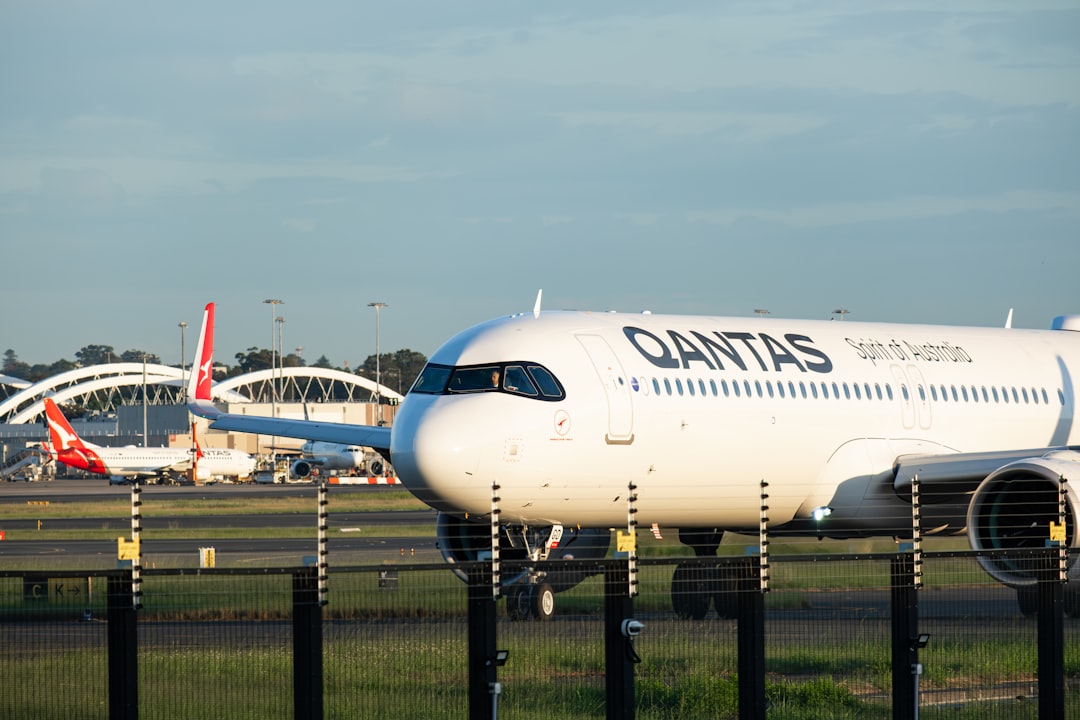
Future Considerations for Travelers
As Qantas continues to adapt to the changing market, the implications for both travelers and the airline industry are profound. The shift towards international routes may provide opportunities for growth, but it also raises questions about the future of domestic travel in Australia. Will airlines continue to prioritize international routes over domestic services, and how will this affect accessibility for travelers within the country?
The shift towards international routes may provide opportunities for growth, but it also raises questions about the future of domestic travel in Australia.
Moreover, the rising costs of travel could lead to a reevaluation of travel budgets for many consumers. As airlines adjust their pricing strategies, travelers may need to consider the impact of higher fares on their travel plans. This could result in a shift towards more budget-conscious travel options, including increased interest in alternative modes of transportation or destinations that offer better value.
As the situation evolves, one thing is clear: the airline industry is at a crossroads, and the choices made by airlines today will have lasting implications for the future of travel.
You may also like
 Industry & Global Trends
Man Charged
A US national has been charged with illegally exporting Nvidia chips to China, raising significant compliance and legal concerns in the semiconductor industry.
Read More →