No products in the cart.

Qatar Airways Bets on Fleet and Cargo Growth
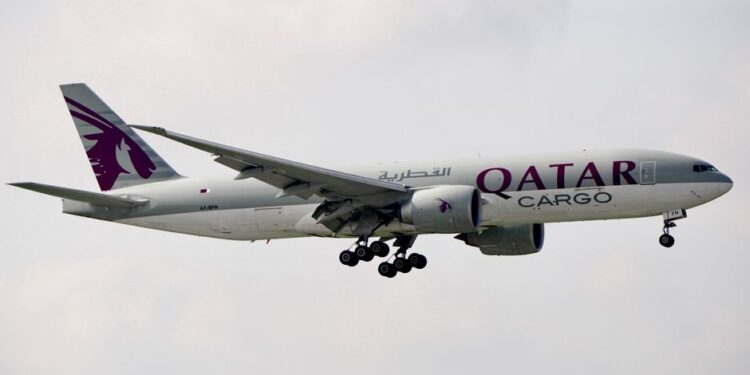
As part of its growth strategy, Qatar Airways plans to increase its fleet size by adding several new aircraft, including the latest models designed for efficiency and capacity.

Qatar Airways has announced a significant expansion of its fleet and cargo operations, aiming to enhance its global logistics capabilities. This strategic move comes as the airline seeks to recover from the pandemic’s impact and capitalize on the growing demand for air cargo services. The expansion includes the acquisition of new aircraft and the enhancement of existing cargo facilities, which signals a robust growth trajectory for the airline.
As part of its growth strategy, Qatar Airways plans to increase its fleet size by adding several new aircraft, including the latest models designed for efficiency and capacity. This expansion is expected to bolster the airline’s cargo capacity significantly, allowing it to meet rising global demand. According to Qatar Airways, this move is essential to restoring its network to pre-crisis levels and advancing its position in the competitive aviation market. The airline’s commitment to investing in its fleet is underscored by its recent announcement of a QAR 7.08 billion post-tax profit for the financial year 2025/26, as reported by Travel Daily News.
Increased Demand for Cargo Logistics Expertise
The surge in cargo operations presents new challenges and opportunities for professionals in the aviation sector. Career Ahead’s analysis identifies that the demand for specialized skills in cargo logistics is set to rise sharply. As Qatar Airways expands its fleet, the need for experts who can manage complex logistics and optimize cargo operations becomes critical. The airline’s strategic focus on enhancing its cargo services is not only a response to market demands but also a proactive measure to solidify its position as a leader in the global air cargo market.
Qatar Airways reported a post-tax profit of QAR 7.08 billion for the financial year 2025/26, highlighting the airline’s recovery and growth potential in a challenging economic landscape. This financial success is expected to fuel further investments in cargo capabilities and technology, enhancing operational efficiency. As a result, aviation cargo managers will need to adapt to more sophisticated logistics systems and processes, including the integration of advanced tracking technologies and data analytics to streamline operations.
With the airline’s focus on enhancing its cargo services, professionals in the field must stay abreast of industry trends and technological advancements.
Moreover, the expansion will likely lead to an increase in job openings within cargo management at Qatar Airways. Positions that require expertise in supply chain management, logistics optimization, and cargo operations are expected to grow. Candidates with relevant experience and knowledge of the latest logistics technologies will have a competitive edge in this evolving job market. The airline’s emphasis on innovation in cargo management is evident as it seeks to implement state-of-the-art cargo handling systems that will revolutionize how air freight is processed and managed.
With the airline’s focus on enhancing its cargo services, professionals in the field must stay abreast of industry trends and technological advancements. Understanding the shifting landscape of global trade and logistics will be vital for those looking to advance their careers in this area. As noted in a recent article from The Gulf Independent, Qatar Airways’ expansion strategy is not only about increasing capacity but also about improving service quality and reliability, which are crucial for maintaining customer trust and satisfaction in the competitive air cargo market.
Impact on Supply Chain Roles in the Aviation Sector
The expansion of Qatar Airways’ fleet and cargo operations will also have significant implications for supply chain roles within the aviation sector. As the airline enhances its logistics capabilities, the need for skilled supply chain professionals will increase. Career Ahead research finds that the integration of advanced technologies in cargo operations will require a workforce that is both knowledgeable and adaptable. This shift will necessitate a reevaluation of current training programs and professional development initiatives within the industry.
This interconnectedness will create a demand for professionals who can navigate complex supply chain networks and build effective partnerships.
As part of the growth strategy, Qatar Airways is expected to invest in state-of-the-art cargo handling systems and technologies. This means that supply chain professionals will need to develop expertise in managing these systems to ensure seamless operations. The integration of automation and data analytics in logistics will transform how cargo is managed, requiring new skills and approaches. The airline’s commitment to technology-driven solutions is expected to enhance operational efficiency and reduce turnaround times, which are critical for meeting the demands of a fast-paced global market.
Furthermore, the airline’s expansion may influence the broader aviation supply chain ecosystem. Increased cargo capacity can lead to more collaborations with freight forwarders, logistics providers, and other stakeholders. This interconnectedness will create a demand for professionals who can navigate complex supply chain networks and build effective partnerships. As Qatar Airways positions itself as a key player in the global logistics arena, the implications of its growth will resonate throughout the industry, potentially reshaping supply chain dynamics and operational strategies.
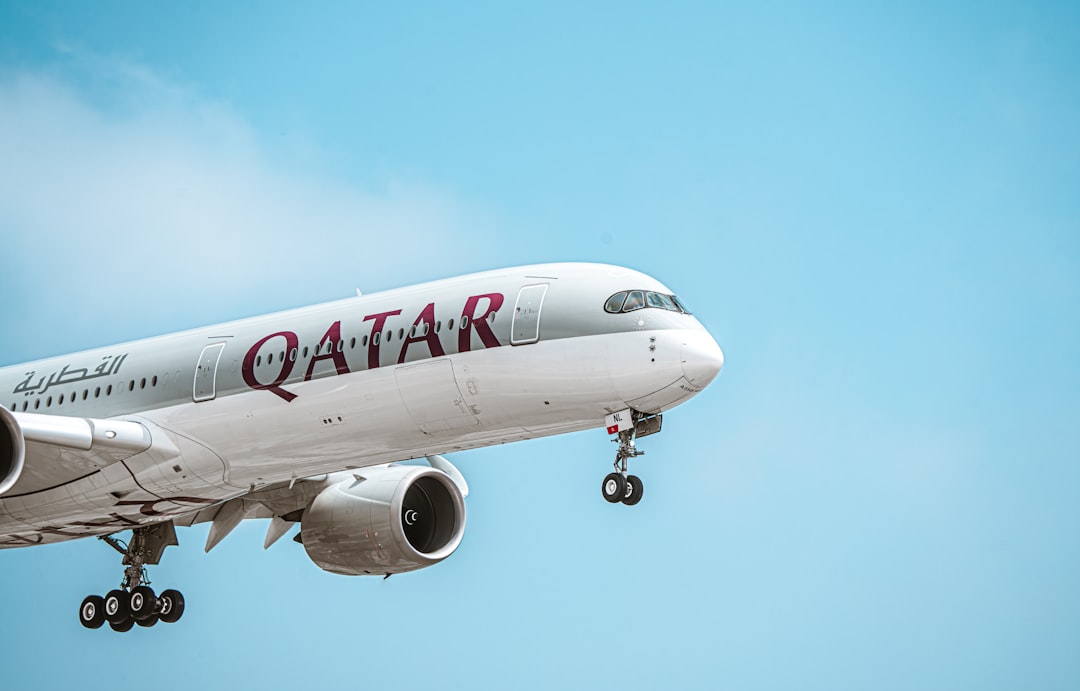
In summary, the evolving landscape of Qatar Airways’ cargo operations will necessitate a shift in skill sets for supply chain roles. Professionals who can leverage technology and foster collaboration will be well-positioned to thrive in this dynamic environment. The airline’s focus on innovation and efficiency will drive the demand for professionals who can adapt to new challenges and leverage emerging technologies.
The implications of Qatar Airways’ fleet expansion extend beyond immediate job openings. As the airline continues to grow, it will shape the future of cargo management and supply chain roles in the aviation industry. The focus on innovation and efficiency will drive the demand for professionals who can adapt to new challenges and leverage emerging technologies.
As Qatar Airways sets its sights on becoming a leader in the global cargo market, the aviation sector must prepare for the changes that lie ahead. The growth of the airline presents an opportunity for professionals to enhance their skills and embrace new roles that will emerge as the industry evolves.
Professionals in cargo management must possess strong analytical skills, knowledge of logistics software, and an understanding of supply chain dynamics.
Frequently Asked Questions
What skills are needed for cargo management in expanding airlines?
Professionals in cargo management must possess strong analytical skills, knowledge of logistics software, and an understanding of supply chain dynamics. Additionally, expertise in data analytics and technology integration will be crucial as airlines adopt new systems.
How can airline operations specialists prepare for changes in fleet size?
Airline operations specialists should focus on enhancing their knowledge of fleet management technologies and logistics optimization practices. Staying updated on industry trends and pursuing relevant certifications can also provide a competitive advantage.
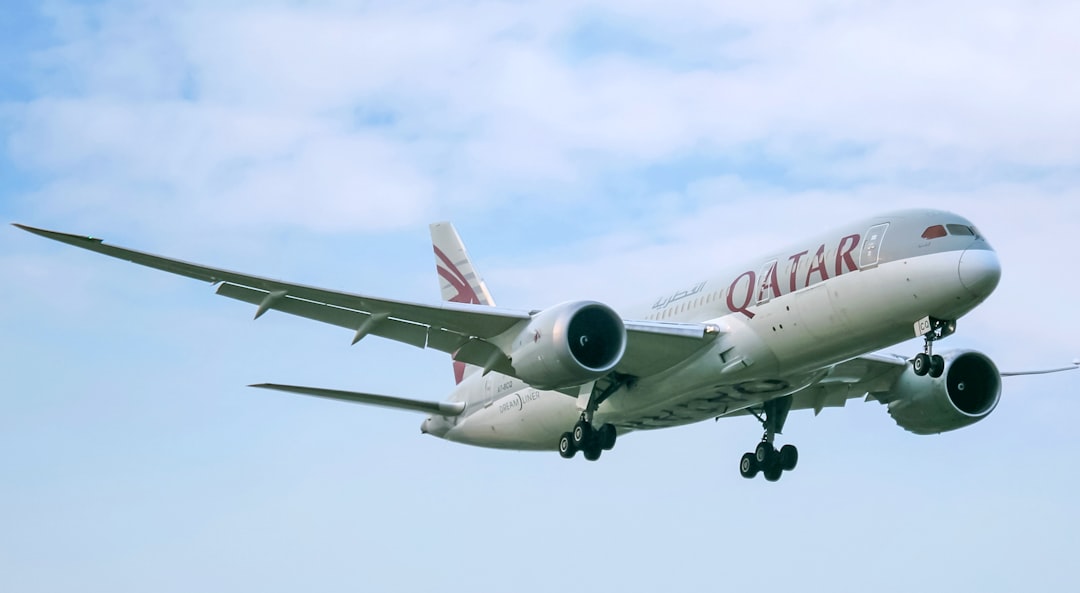
What should aviation cargo managers do to adapt to fleet growth at Qatar Airways?
Aviation cargo managers should invest in developing skills related to advanced cargo handling systems and data analytics. Building partnerships with logistics providers and understanding global trade dynamics will also be essential in adapting to the changing landscape.
Written by Career Ahead AI. AI can make mistakes, so verify key facts. Report errors to support@careeraheadonline.com.