No products in the cart.

Smart Glasses Surge Creates Engineering Opportunities
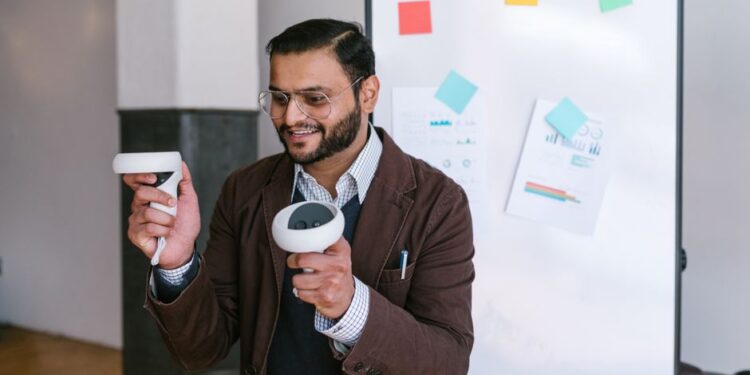
The doubling of smart-glasses sales in China signals a pivotal moment for hardware engineers and product managers. The shift towards augmented reality creates opportunities for innovation and collaboration in wearable technology.

China’s smart-glasses sales have doubled in the first eight months of 2026. This shows a big change in consumer preferences towards augmented reality devices. The surge indicates a growing acceptance and demand for smart-glasses in the consumer electronics market.
This trend is not just a passing moment. It reflects the innovative strides made by companies and the changing nature of consumer electronics. Major tech players are investing heavily in this segment, leading to better features and functionalities that meet user needs.
Growing Demand for Smart-Glasses Technology
The doubling of sales is more than just a number. It shows a cultural shift towards adopting wearable technology. Research from ifri.org shows that China is becoming a leader in smart city initiatives. These initiatives integrate smart technology into daily life, including smart-glasses.
Career Ahead’s analysis reveals that integrating smart-glasses into these projects is crucial. For example, augmented reality applications in urban planning and navigation are gaining popularity. Cities are using technology to improve residents’ experiences. As urban areas become more complex, the demand for intuitive devices like smart-glasses is expected to rise.
Additionally, the rise of remote work and virtual interactions has increased interest in smart-glasses. These devices allow seamless communication and collaboration. Users can engage in virtual meetings or access information hands-free. This is especially appealing in industries like engineering and design that rely on real-time data.
As the market grows, companies see the need to innovate constantly. Hardware engineers must develop products that provide superior user experiences. Smart-glasses need to be functional, comfortable, and stylish. This focus on user-centered design is vital for attracting a wider audience.
The competitive landscape is changing as new players enter the smart-glasses market. Startups are emerging with innovative solutions that challenge established companies. This pushes the boundaries of what smart-glasses can do. For hardware engineers, this is an exciting chance to collaborate with startups and integrate cutting-edge technology into their designs.
In summary, the rising demand for smart-glasses technology in China is a market opportunity.
In summary, the rising demand for smart-glasses technology in China is a market opportunity. It also calls for engineers and product managers to innovate and adapt to changing consumer preferences.
Collaborative Opportunities with Software Developers
The rise in smart-glasses sales opens new doors for hardware engineers to work with software developers. As smart-glasses become more advanced, integrated software solutions are crucial. This collaboration can lead to unique applications that enhance smart-glasses capabilities.
Career Ahead research shows that partnerships between hardware and software teams can create innovative features. For instance, integrating augmented reality applications with location-based services can give users real-time information about their surroundings. This enhances the overall experience.
Moreover, software developers play a key role in creating user-friendly interfaces. These interfaces make smart-glasses accessible to a broader audience. As technology matures, ensuring applications are intuitive will be vital for attracting non-technical consumers.

Data security is also a growing concern as smart-glasses become more integrated into daily life. Collaborating with software developers to implement strong security measures can build consumer trust. This focus on security will be essential as smart-glasses collect and process personal data.
Furthermore, there is significant potential for cross-industry partnerships. For example, collaborations between tech companies and healthcare providers can lead to innovative smart-glasses applications in medical training and telemedicine. Such partnerships can enhance the value of smart-glasses in various sectors.
Ultimately, the success of smart-glasses will depend on how well hardware engineers and software developers work together. They must create products that meet consumer demands and industry standards.
Ultimately, the success of smart-glasses will depend on how well hardware engineers and software developers work together.
New Features and Innovations in Augmented Reality
The growth in smart-glasses sales in China shows an increasing interest in augmented reality features. Consumers want devices that blend digital and physical worlds seamlessly. Career Ahead’s analysis indicates that key features driving sales include high-resolution displays, voice control, and gesture recognition.
As competition heats up, hardware engineers must innovate new functionalities to stand out. Features like real-time translation and navigation assistance are becoming standard expectations. Engineers must continuously explore and implement advanced technologies to stay ahead.
Moreover, integrating artificial intelligence into smart-glasses can significantly improve user experiences. AI-powered features can personalize content delivery, making interactions more engaging. This represents a major opportunity for engineers to use AI technologies in their designs.
Additionally, sustainability is becoming a key consideration in product development. As consumers grow more environmentally conscious, hardware engineers should focus on creating eco-friendly smart-glasses. This commitment to sustainability can be a differentiating factor in a crowded market.
The future of smart-glasses also holds potential for better connectivity with other devices. As the Internet of Things (IoT) expands, smart-glasses can act as a central hub for controlling various connected devices. This enhances their practicality and appeal.
The future of smart-glasses will depend on the ability to adapt and integrate new technologies that enhance user experiences.
As the smart-glasses market evolves, hardware engineers and product managers must stay agile. They need to respond to emerging trends and consumer preferences to capitalize on the growing demand for augmented reality technologies.
With this rapid market growth, the question remains: how will manufacturers continue to innovate? They must meet the demands of an increasingly tech-savvy consumer base. The future of smart-glasses will depend on the ability to adapt and integrate new technologies that enhance user experiences.
Frequently Asked Questions
What are the key features consumers want in smart-glasses?
Consumers are looking for features like high-resolution displays, voice control, and gesture recognition in smart-glasses. These functionalities enhance user experiences and are becoming essential in the market.
How can product managers leverage the growth in smart-glasses sales?
Product managers can capitalize on the growth in smart-glasses sales by focusing on innovative features and user-centered design. Collaborating with hardware engineers and software developers can lead to unique applications that set their products apart.

What should hardware engineers consider when designing new smart-glasses?
Hardware engineers should prioritize user experience, functionality, and security when designing new smart-glasses. Incorporating advanced technologies and sustainability practices will be key to meeting consumer expectations and standing out in the market.
Related Articles
- Distraction-free writing gadget BYOK is adding custom extensions
Written by Career Ahead AI. AI can make mistakes, so verify key facts. Report errors to support@careeraheadonline.com.