No products in the cart.

Rail companies sued for £5m over oil spill caused
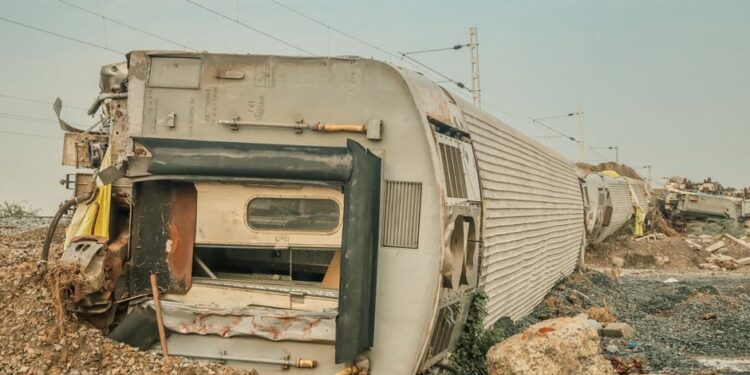
Network Rail has filed a lawsuit against DB Cargo UK and Touax Rail, seeking over £5 million in damages due to an oil spill from a train derailment in August 2020.

UK — Network Rail has initiated a lawsuit against DB Cargo UK and Touax Rail, seeking over £5 million in damages following a significant oil spill caused by a train derailment in August 2020. The incident involved ten out of twenty-five wagons derailing near Llangennech, resulting in the spillage of approximately 446,000 liters of fuel. This event not only endangered the environment but also led to the evacuation of around 300 residents due to a blaze that erupted as a result of the spill.
The legal claim asserts that the derailment occurred due to a lack of proper maintenance on the part of the rail companies. Network Rail argues that the wagon involved was not maintained with the necessary care, which constitutes negligence. The Rail Accident Investigation Branch (RAIB) confirmed that a brake defect likely caused the wheels to lock, leading to the derailment. The RAIB’s investigation also pointed out inadequate maintenance practices as a contributing factor.
Financial Consequences of Environmental Negligence
The Llangennech incident underscores the necessity for rigorous maintenance protocols to avoid similar situations in the future.
The lawsuit against DB Cargo UK and Touax Rail underscores the growing financial risks rail companies face following environmental incidents. The estimated damages of £5 million reflect not only the immediate costs associated with the cleanup but also the long-term implications for the companies involved. The incident has been labeled a potential “environmental disaster” due to the significant amount of fuel that contaminated surrounding wetlands, which are part of a Site of Special Scientific Interest (SSSI) and a Special Area of Conservation.
Environmental compliance is critical for rail operations. Companies must adhere to stringent regulations to prevent incidents that could lead to environmental damage. The Llangennech incident underscores the necessity for rigorous maintenance protocols to avoid similar situations in the future. The financial repercussions of negligence in maintenance practices can be severe, as evidenced by the ongoing lawsuit. Furthermore, the costs associated with environmental cleanups can escalate quickly. The incident required the excavation of 30,000 tonnes of fuel-soaked soil and closed the railway line for six months. Such disruptions not only incur direct financial costs but can also affect operational efficiency and damage the reputation of the companies involved.
You may also like
 News
NewsBloomberg This Weekend 10/4/2026
The launch comes at a time when media consumption patterns are rapidly changing. Viewers increasingly prefer on-demand content and real-time updates, prompting networks like Bloomberg…
Read More →As the legal proceedings unfold, the outcomes may set precedents for future cases involving environmental spills in the rail industry. Companies may face increased scrutiny from regulators and the public, leading to stricter enforcement of compliance measures and heightened expectations for environmental stewardship. The ongoing litigation serves as a reminder of the importance of accountability in the rail industry. Companies that prioritize safety and environmental compliance may mitigate risks and enhance their reputations. Conversely, those that neglect these responsibilities may face severe legal and financial consequences.
Regulatory Scrutiny and Industry Standards
The derailment incident raises significant questions about environmental compliance within the rail industry. Regulatory bodies are increasingly focusing on ensuring that rail companies adhere to environmental standards to mitigate risks associated with spills and other accidents. The RAIB’s recommendations following the investigation suggest a need for improved maintenance practices to prevent such occurrences. Effective cleanup strategies and adherence to safety protocols are essential in minimizing the impact of such incidents on the environment and local communities.
Companies must recognize their responsibility in protecting the environment and take proactive measures to prevent future incidents.
Rail companies must invest in better training and resources to enhance their maintenance protocols, including regular inspections and adherence to established safety standards. Failure to comply with these regulations not only leads to legal repercussions but can also result in substantial financial losses. Moreover, the environmental impact of spills can have long-lasting effects on ecosystems. The Llangennech incident affected a Site of Special Scientific Interest (SSSI) and a Special Area of Conservation, highlighting the ecological stakes involved. Companies must recognize their responsibility in protecting the environment and take proactive measures to prevent future incidents.
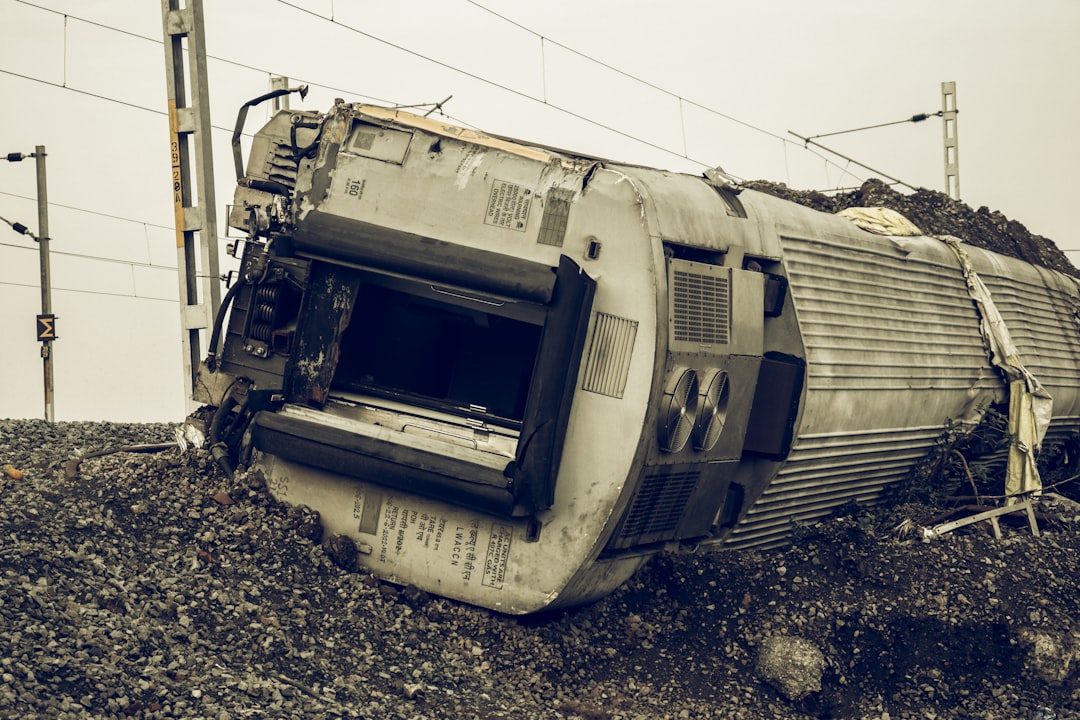
As the industry evolves, the demand for sustainable practices will likely increase. Rail companies that adapt to these changes and invest in environmental safety protocols may find themselves better positioned to navigate the complexities of regulatory compliance and public expectations. The Llangennech derailment incident reflects broader trends in the rail industry regarding environmental accountability. As legal actions proceed, the implications for DB Cargo UK and Touax Rail may resonate throughout the sector, compelling companies to reassess their operational practices and ensure compliance with environmental regulations.
You may also like
 News
NewsJobs Slow but Inflation Keeps Fed on Alert
In September, the economy added just 150,000 jobs, a stark contrast to the 200,000 jobs analysts had predicted. This slowdown comes amid ongoing inflationary pressures,…
Read More →In the coming months, the outcomes of this lawsuit could lead to significant changes in how rail companies approach maintenance and environmental safety. Stakeholders will be watching closely as the case unfolds, eager to see if it prompts a shift in industry standards and practices. This case serves as a crucial reminder that the rail industry must prioritize environmental safety to avoid costly legal battles and protect the ecosystems vital to the communities they serve.