No products in the cart.

Relooted: A Game of Reclaiming Stolen Artifacts
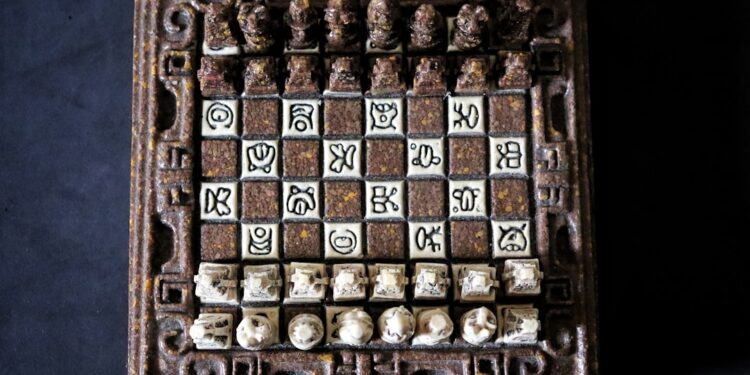
Relooted transforms the narrative of stolen artifacts into an engaging video game, prompting discussions on cultural repatriation and justice.

Amsterdam, Netherlands — The video game industry is taking a bold step into the realm of cultural conversation with the launch of Relooted. This game invites players to engage in a thrilling heist to return stolen artifacts to their rightful homes. In a world where colonialism has left deep scars on cultural heritage, Relooted offers a unique perspective on justice and restitution. As players navigate through various missions, they not only experience the excitement of a heist but also learn about the real-life implications of artifact theft and the ongoing struggles for repatriation.
Relooted’s narrative is more than just entertainment; it is a reflection of the growing awareness around the issue of cultural theft. According to a report by the International Council of Museums, millions of artifacts are held in Western institutions, often acquired during colonial times. The game highlights this disparity and encourages players to think critically about the ownership of cultural heritage. As players reclaim artifacts, they are also prompted to consider the ethical implications of these actions.
The game’s design cleverly integrates educational elements into its gameplay. Players are tasked with rescuing 70 real African artifacts from various museums, each with its own history and significance. This aspect not only enriches the gaming experience but also serves as a conversation starter about the restitution of cultural items. As noted in a review by Kotaku, Relooted transforms the act of reclaiming art into a narrative of empowerment and justice, making it a must-play for those interested in social issues.
Why Relooted Matters in the Cultural Dialogue
The release of Relooted comes at a time when discussions about cultural repatriation are gaining momentum. Many countries, especially in Africa, are actively seeking the return of their heritage. The British Museum, for instance, has faced increasing pressure to return artifacts such as the Rosetta Stone and the Benin Bronzes. These discussions are not just academic; they resonate deeply with communities that view these artifacts as integral parts of their identity.
The game’s design cleverly integrates educational elements into its gameplay.
Relooted taps into this cultural zeitgeist. By gamifying the process of repatriation, it not only entertains but also educates players about the historical context of these artifacts. As players engage with the game, they are confronted with the realities of colonialism and the ongoing impacts on contemporary society. This connection between gaming and cultural awareness is crucial in fostering a generation that values heritage and justice.
You may also like
 Entrepreneurship & Business
Startups Captivating VCs at PearX Demo Day
The PearX program is renowned for its selective nature, capping its cohorts at just 20 startups. This approach facilitates focused mentorship and investment opportunities from…
Read More →Moreover, the game’s approach to storytelling is innovative. It allows players to step into the shoes of characters fighting against the odds to reclaim what was taken from them. As reported by CNN, this immersive experience can create empathy and understanding, encouraging players to reflect on their own views about cultural ownership and restitution.

The Impact of Relooted on Gaming and Culture
As Relooted gains popularity, its impact on both the gaming industry and cultural discourse is becoming apparent. The game has sparked conversations not only among gamers but also within academic circles. Scholars are beginning to analyze how video games can serve as platforms for social justice narratives. This trend could lead to more games that tackle important issues, fostering a new genre of socially conscious gaming.
For players, the implications are significant. Engaging with a game like Relooted can shape their understanding of history and ethics. As they navigate through missions that require them to think critically about the consequences of their actions, players are likely to develop a deeper appreciation for cultural heritage. This shift in perspective can influence their real-world attitudes towards museums and the artifacts they house.
This trend could lead to more games that tackle important issues, fostering a new genre of socially conscious gaming.
- Engage with the game: Play Relooted to experience its narrative firsthand and understand the cultural significance of the artifacts.
- Participate in discussions: Join online forums or local events focused on cultural repatriation to broaden your understanding of the topic.
- Support repatriation efforts: Advocate for policies that promote the return of stolen cultural artifacts to their countries of origin.
However, some experts caution against solely relying on video games to address complex historical issues. As noted by critics, while games like Relooted raise awareness, they may oversimplify the realities of cultural theft and restitution. Understanding the nuances of these discussions requires more than gameplay; it necessitates ongoing education and engagement with the communities affected by these issues.
The Future of Cultural Justice in Gaming
The success of Relooted could inspire more games that address social issues. As developers recognize the potential for gaming to influence cultural conversations, we may see a rise in titles that tackle topics like environmental justice, human rights, and more. This evolution in gaming could lead to a more informed and socially
You may also like
 Entrepreneurship & Business
Founders Face Open vs Closed AI Dilemma
Founders now see that selecting an AI model is more than just a technical choice. It is a core part of their business strategy. The…
Read More →