No products in the cart.

Researchers Tried to Replace Human Workers With AI. It Failed 97 Percent of the Time
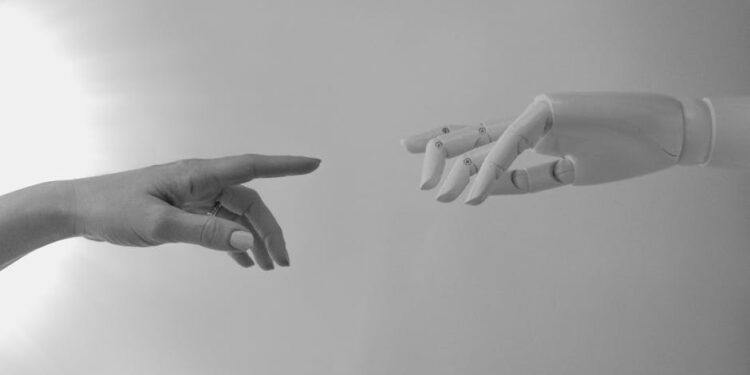
A recent study shows AI's struggle to replace human workers, failing 97% of the time. This has significant implications for the job market and your career.

A startling study reveals that attempts to replace human workers with artificial intelligence (AI) have largely failed. Researchers found that AI systems could not perform tasks previously handled by people 97 percent of the time. This finding raises critical questions about the future of work and the role of AI in various industries.
The implications of this study are profound. As companies increasingly invest in AI technologies, understanding their limitations becomes essential for professionals across all sectors. The expectation that AI could seamlessly take over human roles has been prevalent, yet this research highlights a significant gap between capability and expectation. The results suggest that while AI can enhance productivity, it cannot fully replicate the nuanced skills and judgment that human workers provide.
This study, conducted by a team of researchers, involved testing various AI applications in real-world scenarios where human workers had previously excelled. The researchers noted that AI struggled with tasks requiring creativity, emotional intelligence, and complex problem-solving. These skills are often critical in fields such as healthcare, education, and customer service, where human interaction plays a pivotal role.
Why AI Cannot Fully Replace Human Workers
AI systems excel in data processing and repetitive tasks but falter in areas requiring human-like understanding. For instance, in customer service roles, AI may handle basic inquiries effectively but fails to address complex issues that require empathy and critical thinking. The study illustrates that human workers possess a unique ability to navigate social interactions and make decisions based on context, something AI has yet to master.
These skills are often critical in fields such as healthcare, education, and customer service, where human interaction plays a pivotal role.
Moreover, the researchers found that AI often lacks the ability to adapt to unexpected changes or nuances in situations. For example, in healthcare, while AI can assist in diagnosing diseases from data, it cannot replace the compassionate care provided by nurses and doctors. This limitation is crucial as healthcare increasingly relies on technology, yet the human touch remains irreplaceable.
Additionally, the research indicates that AI systems can perpetuate biases present in their training data. When tasked with making decisions, these systems may inadvertently reflect societal biases, leading to unfair outcomes. This further complicates the argument for AI as a replacement for human workers, particularly in sensitive fields such as law enforcement and hiring.
You may also like
 AI & Technology
This startup is issuing AI-generated acne prescriptions
Nolla Health's AI system analyzes acne severity and autonomously writes prescriptions for treatments. This pilot program costs $4.99 per month and is available to Utah…
Read More →What This Means for Your Career
Understanding the limitations of AI is vital for your career trajectory, especially if you’re in a field where automation is on the rise. For entry-level professionals, this means developing skills that AI cannot easily replicate. Skills such as emotional intelligence, creativity, and critical thinking are becoming increasingly valuable. As companies look for ways to integrate AI, they will still need human workers who can manage and interpret AI outputs effectively.
Mid-career professionals should consider upskilling in areas that complement AI technologies. For example, if you’re in marketing, learning how to analyze AI-generated data can enhance your value in the workplace. This integration of AI and human skills will be key to staying relevant in your field.
For those considering a career switch, the study suggests focusing on roles that emphasize human interaction and problem-solving. Fields such as healthcare, education, and creative industries are likely to see continued demand for human workers. As AI continues to evolve, the need for professionals who can work alongside these technologies will grow.
Mid-career professionals should consider upskilling in areas that complement AI technologies.
- Invest in soft skills: Focus on developing emotional intelligence and interpersonal skills, which are less likely to be automated.
- Learn AI tools: Familiarize yourself with AI applications relevant to your field to enhance your employability.
- Network strategically: Connect with professionals in industries that value human skills alongside AI technologies.
However, some experts caution against over-reliance on AI in decision-making. According to a recent report by the World Economic Forum, while AI can enhance efficiency, it is essential to maintain human oversight to prevent unintended consequences. The report emphasizes that technology should augment human capabilities, not replace them entirely.
The Future of Work in an AI-Driven World
The findings from this research suggest a balanced approach to integrating AI into the workplace. As AI continues to advance, it will likely complement human workers rather than replace them. Future job roles may evolve to require collaboration between humans and AI, creating opportunities for innovation and efficiency.
You may also like
 AI & Technology
Beam Unveils Affordable AI Model to Disrupt Competitors
Reflection AI's Beam model, launched on October 5, 2026, is set to disrupt the AI market by offering a cost-efficient alternative to leading Chinese models.…
Read More →<pAs we move forward, the challenge will be to find the right balance between leveraging AI's capabilities and preserving the essential human elements of work. This balance will be crucial in shaping the future job landscape. Will you be ready to adapt to these changes and thrive in a world where AI and human collaboration is the norm?