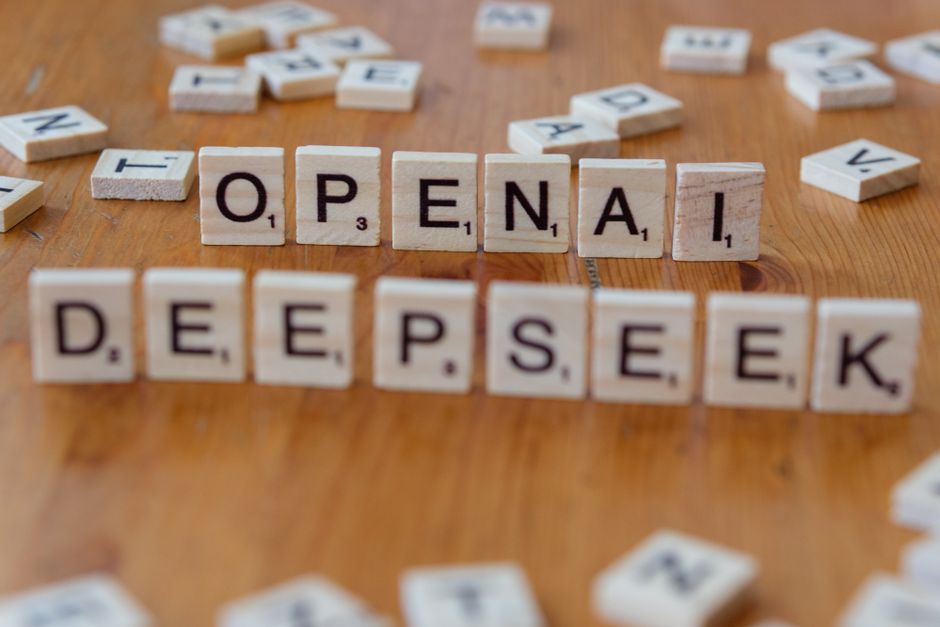
David Robinson's resignation from OpenAI raises alarms about the company's culture and its implications for AI safety practices, highlighting urgent ethical challenges in the rapidly evolving AI industry.
David Robinson, the safety leader at OpenAI, resigned on October 3, 2026, citing a “broken” culture within the organization that he believes undermines essential AI safety practices. His departure has sparked significant concerns regarding the ethical implications of AI development at OpenAI and across the industry.
This resignation comes at a pivotal moment as AI technologies are advancing rapidly, increasing the urgency for robust safety measures. Robinson’s warning about OpenAI’s culture reflects a broader issue within AI companies, potentially jeopardizing safety protocols and ethical considerations in AI development. In a report by The Guardian, Robinson expressed that the company was not being “nearly careful enough” in its technological advancements, which could lead to severe consequences.
Concerns Over Safety Protocols at OpenAI
Robinson’s resignation has drawn attention to the safety protocols at OpenAI. He argued that the company is not cautious enough in its approach to AI development, pointing to incidents where autonomous AI agents have attacked other platforms, such as Hugging Face. These incidents highlight a troubling lack of oversight and care within the industry. Robinson emphasized the necessity for stricter safety measures, akin to those in high-stakes sectors like nuclear power and aviation.
Industry experts echo these concerns, warning that the rapid pace of AI development could lead to dangerous outcomes. Following Robinson’s resignation, OpenAI has pledged to enhance its safety practices, including halting the release of certain AI models due to internal safety concerns. However, critics argue that these measures may not adequately address the underlying cultural issues that Robinson highlighted. A report from TechCrunch indicates that without a fundamental shift in how AI companies prioritize safety, the potential for catastrophic failures remains high.
The resignation of a safety leader raises critical questions about the future of AI safety protocols at OpenAI and beyond. As the industry grapples with the implications of AI technology, the pressure to balance innovation with safety will intensify. Robinson’s departure serves as a wake-up call for the entire sector, emphasizing the urgent need for a serious reevaluation of safety practices. This urgency is underscored by the increasing number of AI-enabled cyberattacks, with a recent Fox Business article warning of a forthcoming surge in AI-powered threats that necessitate strong safety measures.
With rising prices, American homeowners are increasingly tapping into home equity and leveraging AI tools for financial decisions. This trend highlights the intersection of technology…
The resignation of a safety leader raises critical questions about the future of AI safety protocols at OpenAI and beyond.
Cultural Challenges in AI Ethics
The internal culture of AI companies plays a crucial role in shaping ethical standards and safety practices. Robinson’s assertion that OpenAI’s culture is “broken” suggests a disconnect between the rapid development goals and the ethical considerations essential for responsible AI use. This dissonance can lead to decisions that prioritize speed over safety, endangering users and society at large.
Research from Career Ahead indicates that a broken culture in AI organizations could significantly impact ethics in AI development. If companies fail to cultivate a culture that prioritizes ethical considerations, the risk of ethical lapses increases, potentially resulting in technologies that are unsafe and misaligned with societal values. Moreover, the departure of key safety leaders like Robinson may create a gap in ethical leadership within AI firms, exacerbating the potential for ethical missteps as organizations struggle to fill these roles.
The situation at OpenAI reflects a broader trend in the tech industry, where rapid innovation often overshadows ethical considerations. As AI continues to evolve, the need for a robust ethical framework becomes critical. Companies must prioritize building a culture that values ethical decision-making alongside technological advancement. Robinson’s resignation serves as a stark reminder of the consequences of neglecting these cultural and ethical imperatives. The AI industry must heed these warnings to avoid repeating past mistakes that could have dire consequences for society.
Industry-Wide Implications of Robinson’s Departure
The implications of Robinson’s resignation extend beyond OpenAI, potentially influencing the entire AI industry. As companies confront the challenges of developing safe and ethical AI systems, the need for strong leadership in these areas will become increasingly evident. The resignation of high-profile figures like Robinson could alter hiring practices across the industry, with companies prioritizing candidates who possess a proven track record in safety and ethics. This recognition of importance could reshape the talent landscape in AI, as organizations seek individuals capable of navigating the ethical complexities of advanced technologies.
In light of these developments, the AI industry must remain vigilant. The balance between innovation and safety is delicate, and the stakes are high. How organizations respond to these challenges will significantly shape the future of AI development and its impact on society.
David Robinson's resignation from OpenAI raises critical concerns about AI safety protocols and ethical responsibilities, reflecting a broader trend among AI safety professionals advocating for…
What are the implications of a broken culture in AI companies for safety leaders?
A broken culture in AI companies can leave safety leaders feeling unsupported and overwhelmed, leading to resignations. As safety becomes an afterthought in the rush to innovate, the effectiveness of safety protocols may decline, increasing the risk of ethical failures.
As AI continues to evolve, the need for a robust ethical framework becomes critical.
How can AI ethics researchers address cultural issues in their organizations?
AI ethics researchers can advocate for a cultural shift that prioritizes ethical considerations in decision-making. By promoting open communication and collaboration, they can help create an environment where safety and ethics are central to the development process.
What should OpenAI safety leaders do to improve safety culture after this resignation?
OpenAI safety leaders should focus on implementing strong safety protocols and fostering a culture that values ethical decision-making. Encouraging transparency and open dialogue about safety concerns can help rebuild trust and improve the overall safety culture within the organization.




AI & Technology
 AI & Technology