
India is undergoing a significant transformation in its manufacturing strategy, moving away from the traditional China model. The new focus emphasizes localized supply chains, technological investments, and sustainability. This evolution is crucial for enhancing resilience and efficiency amid ongoing global supply chain disruptions. Manufacturing executives and supply chain managers must adapt their operations to align with this new direction.
The Indian government is actively promoting initiatives like “Make in India,” which encourages domestic production and innovation. This strategic pivot is gaining momentum as global economic conditions shift, and India seeks to bolster its manufacturing capabilities while reducing dependency on external sources.
Localized Supply Chains: A New Approach
Central to India’s new manufacturing strategy is the emphasis on localized supply chains. By sourcing materials and components closer to home, companies can significantly cut lead times and mitigate risks associated with global supply chain issues. This approach not only boosts operational efficiency but also supports local economies.
The World Bank reports steady growth in India’s manufacturing sector, particularly in industries such as electronics and textiles, where local sourcing is becoming a priority. Companies adopting localized supply chains can lower transportation costs and respond more effectively to market demands.
This push for local production aligns with the government’s vision of creating jobs across various skill levels, which is crucial for India’s economic development. A robust manufacturing ecosystem can lead to a more sustainable industrial base, as companies increasingly adopt eco-friendly practices.
However, transitioning to localized supply chains presents challenges. Companies must invest in infrastructure and technology to support this change. Enhancing logistics and forming partnerships with local suppliers are essential steps. Manufacturing executives must adapt their strategies to maximize the benefits of localized supply chains.
For instance, AI-driven analytics can optimize supply chain management by predicting demand fluctuations and improving inventory management.
Investment in Technology for Efficiency
In tandem with localized supply chains, India is witnessing a surge in technology investments aimed at boosting manufacturing efficiency. Companies are increasingly adopting advanced technologies such as automation, artificial intelligence (AI), and the Internet of Things (IoT). Research indicates that firms leveraging these technologies can streamline operations and reduce production costs.
For instance, AI-driven analytics can optimize supply chain management by predicting demand fluctuations and improving inventory management. A report by PwC highlights that manufacturers embracing digital transformation may experience productivity gains of up to 20%. This shift not only enhances efficiency but also positions Indian manufacturers to compete more effectively on a global scale.
The focus on technology aligns with the government’s push for innovation and skill development. Initiatives like the Skill India Mission aim to equip the workforce with the necessary skills to thrive in a technology-driven environment. This emphasis on upskilling is vital for ensuring employees can adapt to new technologies and contribute effectively to their organizations.
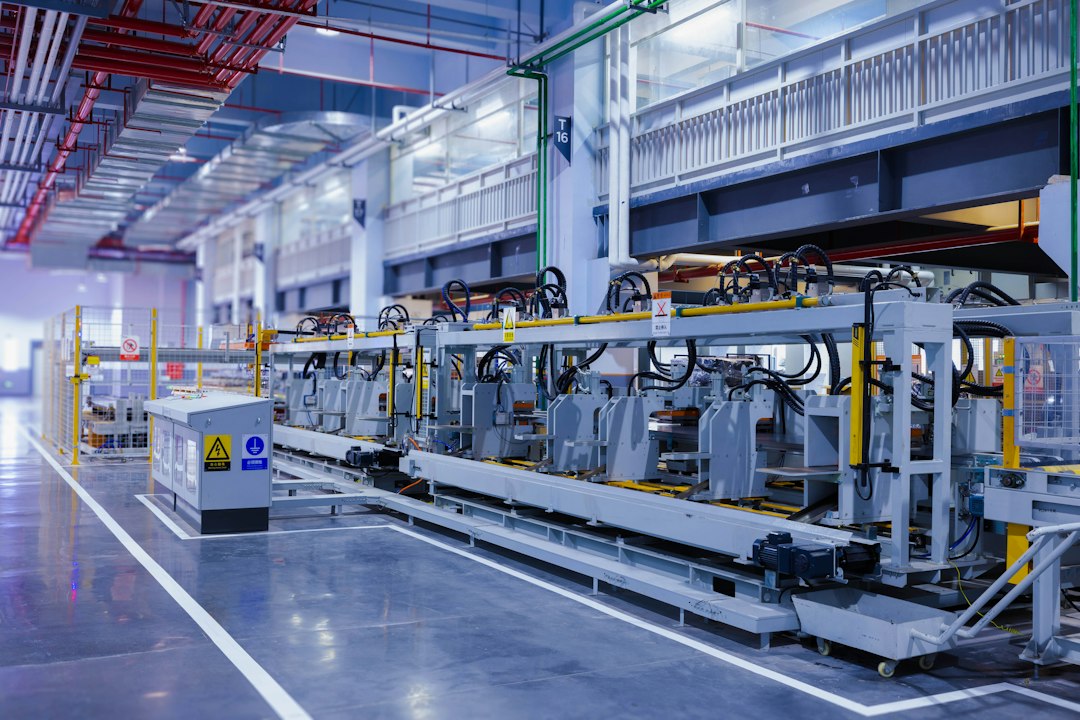
However, the rapid pace of technological advancement can pose challenges. Manufacturing executives need to stay informed about the latest developments and strategically plan for the integration of new technologies into existing processes. Companies must also consider the implications of these changes for their workforce, preparing employees for shifts in job roles.
Focus on Sustainability Practices
As part of its manufacturing strategy, India is increasingly prioritizing sustainability practices. This shift is driven by regulatory pressures and a growing consumer demand for eco-friendly products. Manufacturers recognize the importance of adopting sustainable practices to comply with regulations and enhance their brand image.
Research shows that companies implementing sustainable practices can achieve cost savings through energy efficiency and waste reduction. For example, manufacturers investing in renewable energy and efficient production methods can lower operational costs while contributing positively to the environment.
Consumers are increasingly willing to pay a premium for sustainable products, making this a profitable avenue for growth.
The Indian government actively promotes green manufacturing initiatives, encouraging companies to adopt eco-friendly technologies. Focusing on sustainability not only benefits the environment but also opens new market opportunities. Consumers are increasingly willing to pay a premium for sustainable products, making this a profitable avenue for growth.

Transitioning to sustainable manufacturing requires a comprehensive approach. Companies must evaluate their entire supply chain and production processes to identify areas for improvement. This may involve collaborating with suppliers to meet sustainability standards at every stage of production.
As manufacturing executives and supply chain managers navigate this evolving landscape, they must balance sustainability with operational efficiency. Successfully integrating sustainable practices into existing operations will be crucial for the future success of India’s manufacturing sector.
Implications for Manufacturing Executives and Supply Chain Managers
This strategic shift towards localized supply chains, technology investments, and sustainability practices marks a significant change in India’s manufacturing landscape. As companies adapt, the implications for manufacturing executives and supply chain managers will be profound. They will need to embrace agility and innovation to meet evolving market demands and respond to global economic conditions.
Executives must be proactive in their approach, investing in training and development to ensure their teams are equipped to handle the complexities of this new manufacturing environment. By fostering a culture of continuous improvement and adaptability, companies can position themselves for long-term success in the competitive manufacturing sector.
Frequently Asked Questions What are the implications of India’s new manufacturing strategy for supply chain management?
Frequently Asked Questions
What are the implications of India’s new manufacturing strategy for supply chain management?
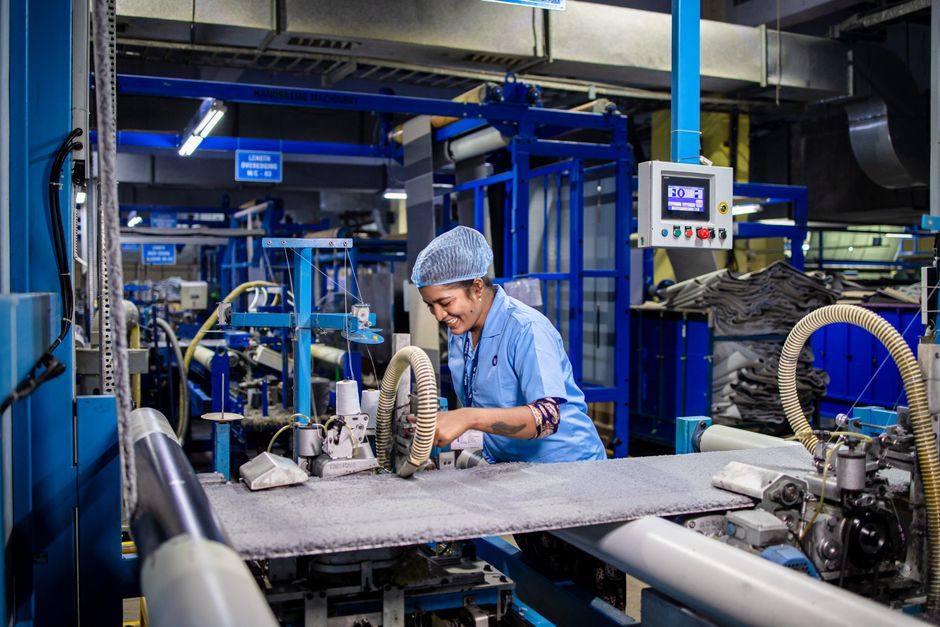
India’s focus on localized supply chains means supply chain managers must adapt their strategies. They need to source materials and components closer to home, which can reduce lead times and improve efficiency, but requires investment in local infrastructure and supplier relationships.
How can manufacturing executives adapt to the changes in India’s manufacturing landscape?
Manufacturing executives can adapt by investing in technology and embracing sustainable practices. By utilizing advanced technologies like AI and IoT, they can enhance operational efficiency and remain competitive in the changing market.
What technologies should manufacturing leaders invest in to align with India’s new approach?
Manufacturing leaders should invest in automation, AI-driven analytics, and renewable energy technologies. These investments can streamline operations, reduce costs, and improve sustainability, aligning with the government’s vision for a strong manufacturing sector.
Sources: World Bank, PwC, NDTV, Simple English Wikipedia.
Written by Career Ahead AI. AI can make mistakes, so verify key facts. Report errors to support@careeraheadonline.com.