Climate stress is now a structural accelerator of state fragility in Sub‑Saharan Africa, reshaping governance, capital allocation, and career pathways, with divergent trajectories emerging based on institutional adaptation.
The convergence of climate stressors and institutional weakness is reshaping economic mobility and leadership pipelines across Sub‑Saharan Africa. A systemic analysis reveals that climate‑linked shocks are redefining career capital, redirecting capital flows, and testing the limits of governance structures.
Climate Stress as the New Structural Driver of State Fragility
Sub‑Saharan Africa accounts for roughly 15 % of global land area but bears over 30 % of the projected climate‑related GDP loss by 2050, according to the IMF’s climate‑risk model [3]. Between 2000 and 2024, average annual temperatures rose by 1.2 °C across the region, while precipitation variability widened by 18 % in the Sahel and 22 % in the Great Lakes basin [1]. These biophysical shifts translate into measurable economic disturbances: cereal yields fell 12 % in Ethiopia’s highlands between 2015‑2020, and hydro‑electric generation in the Congo Basin declined by 9 % during the same period, curbing national growth rates by an estimated 0.4 ppp per annum [2].
The IMF’s panel estimations demonstrate a statistically significant link between temperature anomalies and the probability of violent conflict, with each 1 °C increase raising the odds of intra‑state violence by 7 % in fragile states [3]. Trade openness, measured by the ratio of total trade to GDP, mitigates this exposure modestly—countries in the top quartile of openness experienced a 3 % lower conflict elasticity than their more closed peers, underscoring the role of diversified economic linkages in buffering climate shocks [1].
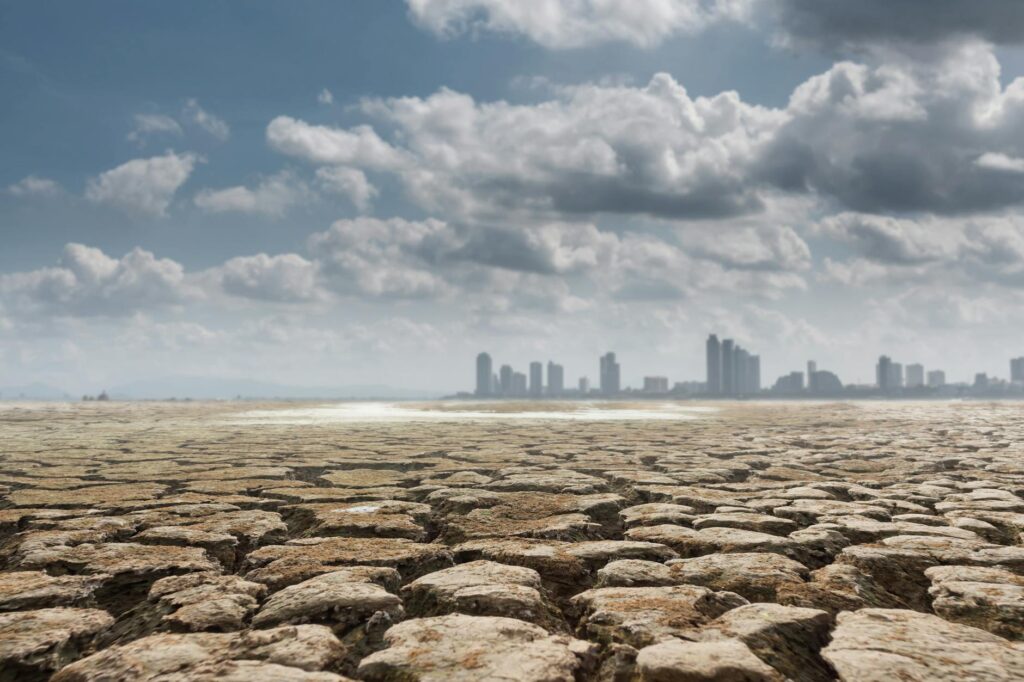
Collectively, these dynamics constitute a structural shift: climate change is no longer an exogenous risk but an endogenous accelerator of state fragility, reshaping the institutional architecture that underpins development trajectories.
Systemic Ripple Effects Across Sectors
Resilient Futures or Fractured Paths? Climate‑Driven State Fragility in Sub‑Saharan Africa
Agricultural Production and Food Security
Agriculture employs 60 % of the region’s labor force and contributes 23 % of GDP on average [2]. Climate‑induced yield volatility has triggered a cascade of macro‑economic feedbacks. In Kenya, a 15 % drop in tea output in 2022 translated into a $1.2 bn loss in export earnings, tightening foreign‑exchange balances and prompting a 0.8 % depreciation of the shilling. The resulting inflationary pressure disproportionately affected low‑income households, eroding real wages by 4 % and pushing an additional 2.1 million people below the poverty line [4].
Collectively, these dynamics constitute a structural shift: climate change is no longer an exogenous risk but an endogenous accelerator of state fragility, reshaping the institutional architecture that underpins development trajectories.
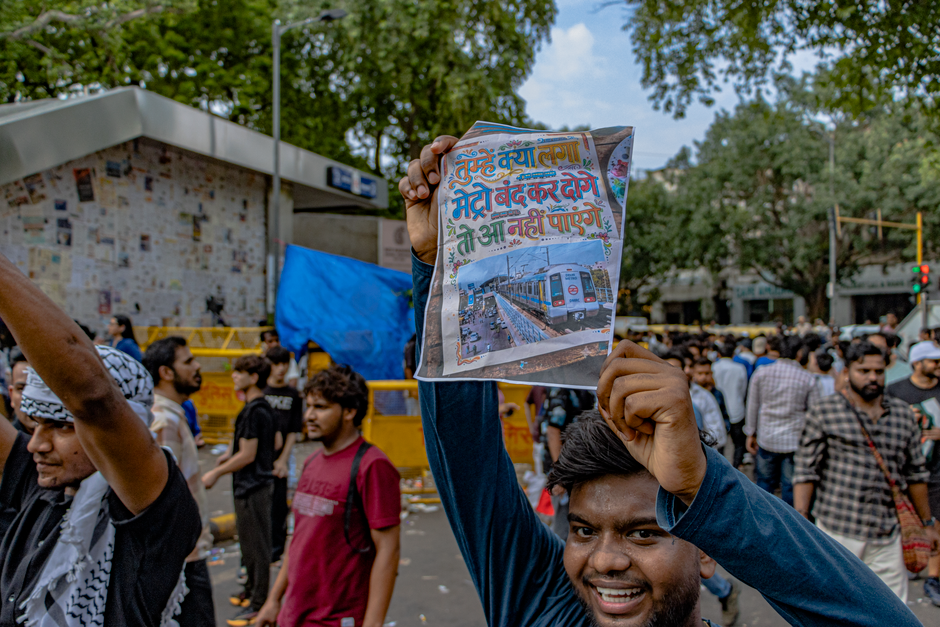
Protests in Jharkhand reflect a growing wave of youth activism in India, demanding reforms in government job recruitment processes amidst allegations of corruption and irregularities.
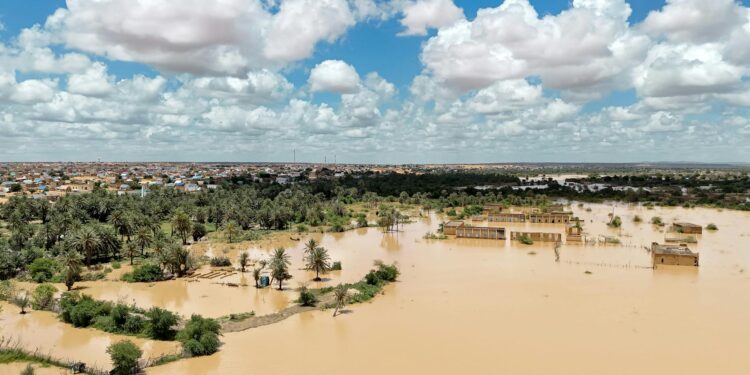
Reduced rainfall has lowered reservoir levels in the Niger River basin by 23 % relative to the 1990‑2000 baseline, compromising both irrigation and hydro‑electric capacity. The ensuing energy shortfalls forced Nigeria to defer $3.5 bn of planned infrastructure projects, delaying the expansion of the national grid and curtailing industrial output growth from an expected 5.2 % to 3.8 % in 2023‑24 [1]. The infrastructural lag feeds back into state capacity, limiting the ability to deliver public services and reinforcing perceptions of governmental impotence.
Migration, Conflict, and Governance
Climate stress is a salient driver of internal displacement. The World Bank estimates that 12 % of Sub‑Saharan migrants between 2015‑2022 cited environmental factors as primary motivators. In the Lake Chad region, competition over dwindling water resources intensified communal tensions, culminating in a 27 % rise in reported armed clashes from 2019‑2022 [3]. These security pressures strain already fragile security apparatuses, diverting fiscal resources from development to defense and eroding public trust in state institutions.
Institutional Responses and Leadership Gaps
Governance frameworks are under simultaneous pressure from climate adaptation demands and fiscal constraints. Only 38 % of Sub‑Saharan ministries have fully integrated climate risk assessments into budgeting cycles, a figure that lags behind the 62 % benchmark in East Asian economies [2]. Leadership turnover in climate ministries averages 3.2 years, undermining policy continuity and the institutional memory required for long‑term resilience planning.
Human Capital and Career Trajectories in a Climate‑Stressed Economy
Skill Formation and Labor Market Volatility
Climate‑related disruptions have a direct bearing on career capital. In Ghana’s cocoa sector, a two‑year drought (2019‑2021) precipitated a 14 % contraction in labor demand, prompting 8 % of seasonal workers to transition to informal urban employment. This occupational shift erodes sector‑specific human capital, diminishing future productivity and widening skill mismatches in the formal economy [4].
Human Capital and Career Trajectories in a Climate‑Stressed Economy Skill Formation and Labor Market Volatility Climate‑related disruptions have a direct bearing on career capital.
Conversely, climate adaptation projects are generating nascent skill pathways. The World Bank’s “Resilient Infrastructure Fund” in Tanzania has funded 1,200 construction apprenticeships in flood‑resilient building techniques, creating a pipeline of specialized labor that commands a 22 % wage premium relative to conventional construction roles [1]. However, these opportunities remain geographically concentrated, accentuating regional disparities in economic mobility.
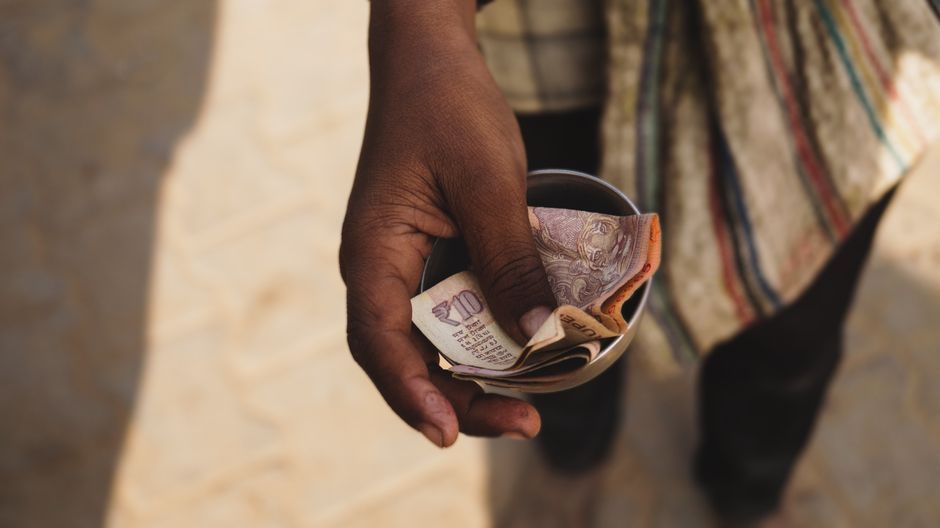
The early disbursement of ₹1,500 under the Ladli Behna Yojana could significantly impact financial planning for women ahead of Raksha Bandhan, enhancing their economic stability…
International investors increasingly price climate risk into capital allocation decisions. In 2023, climate‑adjusted sovereign risk premiums for Nigeria and Kenya rose by 45 bps and 38 bps respectively, reflecting heightened perceived fragility [2]. Private equity funds have redirected $4.2 bn toward renewable micro‑grid projects in Rwanda, yet the same capital has been withheld from agribusinesses in Mali due to perceived governance gaps, illustrating an asymmetric capital distribution that rewards institutional robustness over broader developmental needs.
Leadership Development and Institutional Power
The emergence of climate ministries has opened new avenues for political leadership, yet the concentration of decision‑making authority in a limited cadre of technocrats risks entrenching elite capture. In Ethiopia, the Ministry of Climate Change, established in 2021, is led by a former central bank governor, signaling a technocratic tilt that may sideline grassroots stakeholder input. This centralization can impede inclusive policy design, reducing the legitimacy of climate interventions and limiting their diffusion across sub‑national governance structures.
Outlook: Structural Trajectories to 2030
Projecting forward, three intersecting forces will shape the resilience landscape:
Accelerated Climate Exposure – Climate models forecast an additional 0.6 °C warming by 2030 under current emissions pathways, intensifying agricultural and water stress. The structural elasticity of state fragility is likely to increase, especially where adaptive capacity remains low.
Policy Consolidation and Institutional Learning – Nations that institutionalize climate‑risk budgeting and embed multi‑sectoral coordination mechanisms (e.g., Kenya’s Climate Change Act of 2022) are projected to reduce conflict elasticity by up to 5 % relative to peers, according to IMF scenario analysis [3].
Human Capital Reallocation – The expansion of climate‑focused vocational training will create a modest but growing cohort of resilient skill sets. However, without targeted geographic dispersion, the net effect on economic mobility will be uneven, reinforcing intra‑regional inequality.
In aggregate, the next five years will crystallize a bifurcated trajectory: states that integrate climate considerations into core governance structures will sustain, or modestly improve, economic mobility and leadership pipelines; those that fail to do so will experience widening gaps in career capital, heightened capital flight, and entrenched fragility. The systemic stakes extend beyond environmental metrics, redefining the architecture of institutional power and the future of development in Sub‑Saharan Africa.
> [Insight 2]: Institutional integration of climate risk—through budgeting, cross‑sector coordination, and leadership development—mitigates conflict elasticity and preserves career capital pathways.
Key Structural Insights
> [Insight 1]: Climate change has transitioned from an exogenous shock to an endogenous accelerator of state fragility, reshaping governance and economic stability.
> [Insight 2]: Institutional integration of climate risk—through budgeting, cross‑sector coordination, and leadership development—mitigates conflict elasticity and preserves career capital pathways.
> * [Insight 3]: Capital flows are increasingly asymmetric, rewarding jurisdictions with robust climate institutions while penalizing fragile states, thereby influencing the regional distribution of economic mobility.
Indian students studying in the US face complex regulations under the Foreign Exchange Management Act (FEMA) and US tax laws. This article explores the implications…



 Government & Policy
 Government & Policy
Featured