No products in the cart.

Retail Algo Trading Transformed

The retail algo trading landscape in India is undergoing a significant transformation, driven by enhanced access to broker APIs, AI technologies, and evolving regulations. This shift is democratizing trading, allowing individual traders to innovate and refine their strategies in a competitive market.

India’s retail algo trading landscape is changing rapidly. Better access to broker APIs, AI coding tools, and clearer regulations are helping individual traders automate their strategies. This shift is important as the country embraces a more digital financial ecosystem.
Recent developments show that retail traders now have greater access to algorithmic trading tools. This change is not just about technology; it reflects a new way of approaching trading in India. As more traders use these tools, the potential for innovative trading strategies grows.
Increased Access to Broker APIs
Broker APIs are now much more available for retail traders in India. Many brokerage firms offer strong APIs that let traders connect their algorithms directly to trading platforms. This allows individual traders to execute trades automatically based on their strategies, a privilege once reserved for institutional investors.
For example, platforms like Zerodha and Upstox provide APIs that make it easy to integrate various trading algorithms. Career Ahead’s analysis suggests this trend will continue, with more brokers likely to join in. This democratizes access to advanced trading tools. The Economic Times notes that this shift is about both accessibility and the quality of tools, which are becoming more sophisticated and user-friendly.
Additionally, cloud-based trading solutions allow traders to deploy their algorithms without needing expensive hardware. This lowers the entry barrier, enabling even novice traders to participate in algo trading. As a result, the retail trading space is becoming more competitive. The Economic Times highlights that as more traders enter the market, the focus will shift to creating unique and effective trading strategies. Traders will need to refine their approaches to stay ahead.
Moreover, integrating APIs with advanced analytics tools helps traders make informed decisions. These tools provide insights into market trends, allowing traders to adjust their strategies in real time. This adaptability was previously out of reach for many retail traders, marking a significant evolution in the trading landscape.
Additionally, cloud-based trading solutions allow traders to deploy their algorithms without needing expensive hardware.
The Impact of AI-Assisted Coding on Trading Strategies
You may also like
 Industry & Global Trends
How AI is Reshaping Semiconductor Engineering Careers
The surge in AI-driven chip demand is creating a semiconductor super cycle, significantly impacting memory chip design and engineering careers. This trend presents unique opportunities…
Read More →AI technology is changing how traders develop and implement their strategies. AI-assisted coding tools help traders write algorithms more efficiently. These tools can analyze large amounts of data, identify patterns, and suggest optimizations for trading strategies.
For instance, platforms with machine learning algorithms can adapt to market changes in real time. Career Ahead research shows that traders using AI tools report improved accuracy in their predictions, leading to better performance. This is especially valuable in the volatile Indian market, where rapid changes can significantly affect trading outcomes. The Economic Times emphasizes that while automation streamlines processes, traders must still understand market fundamentals.
Furthermore, AI can assist in backtesting strategies, allowing traders to see how their algorithms would have performed historically. This capability is vital for refining strategies before live trading. As traders become skilled at using AI tools, we can expect a rise in innovative strategies tailored to the Indian market. However, it’s crucial not to let reliance on AI overshadow traditional analysis methods. Combining AI insights with human intuition can create more robust trading strategies.
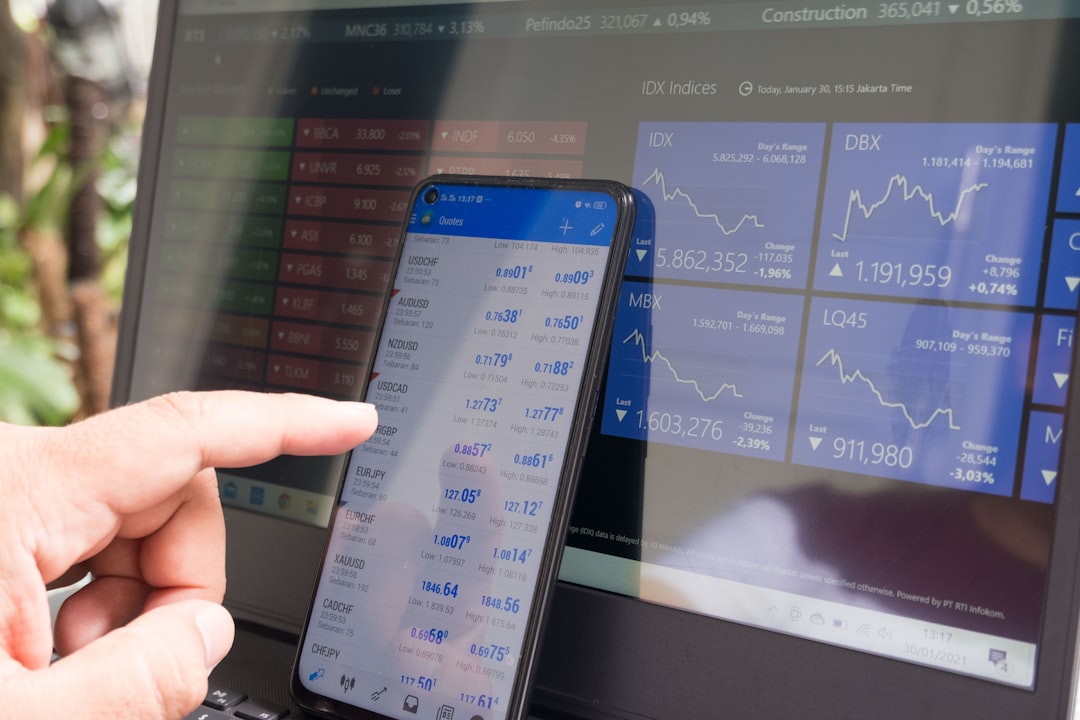
While AI offers many advantages, it’s important to remember that technology cannot replace fundamental trading principles. Strong strategies, thorough testing, and effective risk management are critical for success. As the market evolves, integrating AI with traditional practices will likely shape the next generation of retail traders.
Strong strategies, thorough testing, and effective risk management are critical for success.
With the rise of algo trading, risk management is more important than ever. Automated systems can execute orders quickly, amplifying both gains and losses. Traders must adopt sound risk management practices to protect their investments.
Career Ahead’s analysis indicates that many retail traders overlook risk management, focusing mainly on algorithm development. However, without proper protocols, even the best strategies can lead to significant losses. Tools like stop-loss orders and position sizing are essential for guarding against market volatility.
You may also like
 Industry & Global Trends
UK Economy Surges as AI Drives Growth, Rate Hikes Loom
The UK economy showed a growth of 0.4% in July 2026, driven largely by advancements in artificial intelligence (AI). This growth has led analysts to…
Read More →Additionally, Indian regulatory bodies are stressing the need for risk management in trading. The Securities and Exchange Board of India (SEBI) has introduced guidelines to ensure traders maintain adequate risk controls. This regulatory clarity benefits retail traders by promoting a more disciplined approach to trading.
In the evolving algo trading landscape, those who prioritize risk management alongside strategy development are likely to succeed. As the market matures, focusing on sustainable trading practices will be crucial.
The intersection of technology, regulation, and strategy development in retail algo trading is worth watching. With ongoing advancements in AI and APIs, the future holds exciting possibilities for traders looking to innovate and expand their trading horizons.
The intersection of technology, regulation, and strategy development in retail algo trading is worth watching.
Frequently Asked Questions
What are the best APIs for retail algo trading in India?
Career Ahead identifies popular APIs for retail algo trading in India, including those from Zerodha and Upstox. These platforms provide robust tools for traders to automate their strategies effectively.
How can AI improve my trading strategies?
AI can enhance trading strategies by analyzing large datasets to identify patterns and optimize algorithms. Traders using AI tools report improved accuracy and performance in their trading outcomes.
What risk management techniques should I implement in algo trading?
Effective risk management techniques include setting stop-loss orders, proper position sizing, and following regulatory guidelines. These practices are essential for protecting investments in the fast-paced trading environment.
You may also like
 Industry & Global Trends
SEBI Unveils Demat 2.0 for Tokenised Bonds
Demat 2.0 allows corporate bonds to be issued, held, traded, and settled in tokenised form while retaining the same legal characteristics as conventional bonds.
Read More →