No products in the cart.

Maharashtra Reviews 3x Fees for Institutional Quota Students
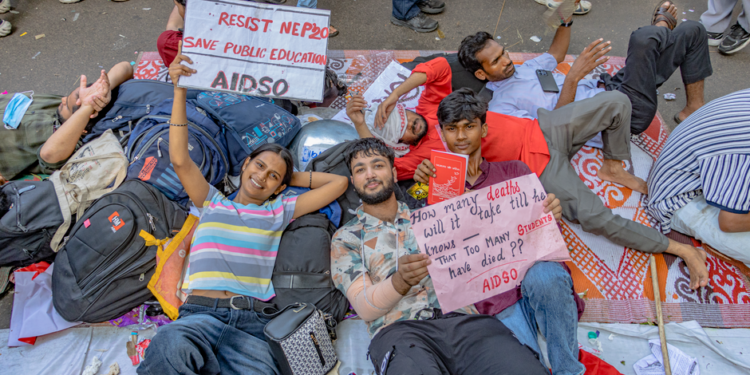
The Maharashtra government has directed the Fee Regulatory Authority to reassess the fee structure for institutional quota students, addressing concerns over financial burdens faced by students.

Maharashtra, India — The state government has instructed the Fee Regulatory Authority (FRA) to reassess the controversial fee structure that charges three times the regular fees for institutional quota students and five times for NRI students in professional colleges. This decision follows numerous complaints from student representatives about the financial strain these fees impose.
The review aims to tackle the escalating costs of education, particularly for students already facing significant financial challenges. This directive comes in response to a series of protests and appeals from various student organizations, emphasizing the need for a more equitable fee structure in the state’s educational institutions.
Current Fee Structure Overview
Under the existing system, students seeking admission through the institutional quota must pay fees that are three times higher than standard rates, while those under the NRI quota face fees that are five times higher. Established by the FRA in 2023, this fee structure has drawn considerable backlash from students and parents, who argue that it disproportionately impacts those struggling to afford higher education.
Established by the FRA in 2023, this fee structure has drawn considerable backlash from students and parents, who argue that it disproportionately impacts those struggling to afford higher education.
You may also like
 Education & University Insights
NYC Leaders Push for School Integration Amid Segregation
New York City's school system remains one of the most segregated in the U.S. City leaders are now pushing for integration, but advocates emphasize the…
Read More →A report by Hindustan Times indicates that the FRA’s fee caps were initially designed to help institutions manage their finances while ensuring access for students from various economic backgrounds. However, many students qualifying for institutional quotas often miss out on merit seats by a narrow margin, leaving them with limited options and a heavy financial burden. This disparity has forced many from lower-income families to choose between substantial debt or abandoning their educational aspirations.
The financial implications of these high fees are profound. Many students and their families find themselves in debt or compelled to take out loans to cover costs. This situation is particularly dire for those from lower and middle-income families, who may lack the financial flexibility to accommodate steep tuition rates. The burden of these fees not only affects students’ immediate financial situations but also has long-term consequences on their career choices and quality of life post-graduation.
As the Maharashtra government reviews this fee structure, it is essential to consider the impact on students under both the institutional and NRI quotas, as well as those admitted through merit. The current fee system helps subsidize costs for merit students, creating a delicate balance that could be disrupted by significant changes. The Maharashtra Institution for Transformation (MITRA) has expressed concerns that rolling back the fee structure could lead to reduced funding for institutions, ultimately affecting the quality of education provided to all students.
Potential Changes and Their Impact
The review of the fee structure could reshape the admissions landscape in Maharashtra’s professional colleges. If the government decides to roll back the threefold fee increase, it may lead to a more equitable system, allowing greater access for students currently priced out of educational opportunities. A more affordable fee structure could encourage a diverse range of applicants, enriching the educational environment.
You may also like
 Education & University Insights
UP ITI Admission Opens Fifth Phase Applications
The fifth phase of UP ITI admissions for the 2026-27 training session will start on October 6, 2026, and will remain open until midnight on…
Read More →However, MITRA has raised concerns about how this rollback could affect the overall funding of educational institutions. Many colleges rely on the higher fees from institutional and NRI quotas to subsidize costs for merit students. A reduction in these fees could strain financial resources, potentially leading to cuts in services or resources available to all students. Policymakers must navigate the delicate balance between maintaining institutional viability and ensuring equitable access to education.
If the government decides to roll back the threefold fee increase, it may lead to a more equitable system, allowing greater access for students currently priced out of educational opportunities.

Moreover, the decision may influence admission rates for professional courses. With lower fees, more students may be encouraged to apply, leading to increased competition for limited seats. This scenario raises questions about how institutions will manage the influx of applications and maintain quality education standards. Increased competition could also elevate admission standards, inadvertently disadvantaging some students already struggling to meet existing criteria.
While the fee review aims to create a fairer system, it must also consider the financial viability of educational institutions. The balance between affordability for students and sustainability for colleges is delicate and requires careful navigation to avoid unintended consequences. As the FRA prepares to submit fee revision applications from private institutions by the end of October, stakeholders are keenly awaiting the outcomes of this review, which could set a precedent for educational policies across India.
The implications of this review extend beyond immediate financial concerns. The outcome could influence how educational fees are structured across India, impacting policies in other states as well. Students, particularly those applying for professional courses, should stay informed about developments surrounding this fee review, as potential changes could affect their financial planning and college admissions choices. The ongoing discussions about educational affordability are part of a larger national dialogue about the value of higher education and its accessibility. As more students advocate for their rights and push for reforms, the government may face increasing pressure to ensure that education remains attainable for all.
The upcoming months will be critical for students navigating this uncertain landscape. With significant changes on the horizon, stakeholders in the education sector must remain vigilant and proactive in advocating for fair and just policies. The Maharashtra government’s initiative to review the fee structure represents a significant step towards addressing the financial barriers many students face, underscoring the need for a comprehensive approach to educational reform that prioritizes both access and quality.
You may also like
 Education & University Insights
Students Can Access Free Gemini AI and Photoshop in India
Google has launched an offer for university students, providing them with free one-year access to Gemini AI. This includes 400GB of cloud storage and various…
Read More →