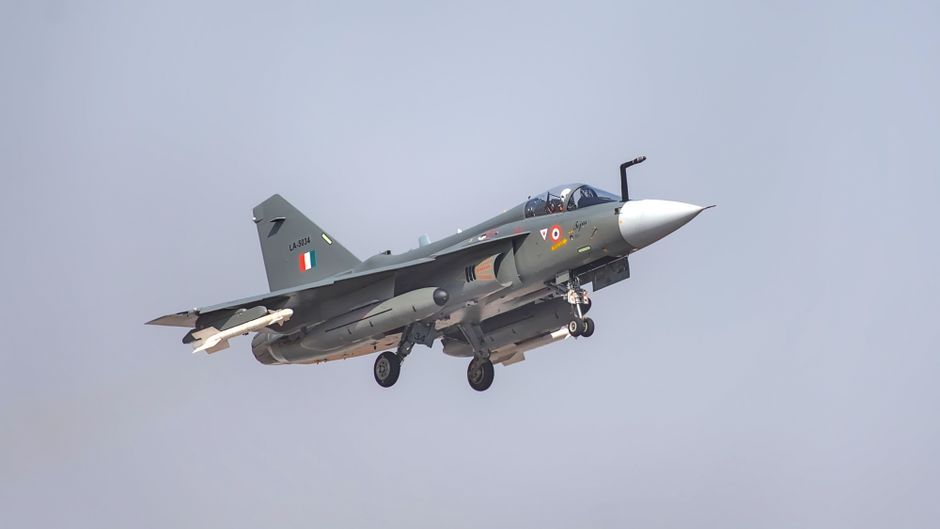
India is set to finalize the Multi-Role Fighter Aircraft (MRFA) deal for 114 fighter jets by the end of this financial year. Air Chief Marshal A.P. Singh, the Indian Air Force (IAF) Chief, announced this plan. This acquisition aims to enhance the IAF’s depleting fleet, which needs at least 36 to 40 new aircraft each year for several years. The MRFA deal could change India’s defense procurement landscape significantly, impacting more than just aircraft acquisition.
The deal is currently in the price negotiation phase. This step is crucial for India’s defense strategy. It follows the government’s earlier approval to procure Rafale jets from France through a government-to-government framework. This reflects a long-term commitment to modernizing India’s air combat capabilities. The IAF’s declining squadron strength has made this urgent procurement necessary. As highlighted by The Hindu, the IAF needs to enhance its operational readiness, making this deal critical.
Increased Demand for Fighter Jets and Its Impact on Defense Contractors
With the MRFA deal approaching, defense contractors in India can expect a surge in contracts for fighter jet procurement. The IAF’s need for 36 to 40 aircraft each year shows strong demand that contractors must prepare for. This deal involves not just new aircraft but also a supply chain for parts, maintenance, and support services. This will create many opportunities for both established and new defense firms. As noted by CNBC TV18, this procurement could bring in foreign investment and technology transfer, boosting local manufacturers’ capabilities.
According to Career Ahead’s analysis, this procurement will likely lead to new partnerships in the defense sector. Companies specializing in aerospace engineering and military procurement will need to adapt their strategies to meet the IAF’s specific requirements. The focus will be on advanced technologies, like stealth capabilities and enhanced avionics. This will require specialized skills in the workforce. The MRFA deal is expected to drive innovation within the domestic defense industry, encouraging firms to invest in research and development for cutting-edge technologies. This shift could create a more competitive landscape, prompting local firms to develop indigenous solutions for the IAF’s needs.
Additionally, the MRFA deal may spark innovation in the domestic defense industry. As the government pushes for self-reliance in defense manufacturing, companies will need to invest in research and development. This could lead to a competitive environment where local firms create solutions for the IAF’s needs. The anticipated demand for skilled labor will also encourage educational institutions to align their programs with industry needs, ensuring a steady talent pipeline for the defense sector.
The anticipated demand for skilled labor will also encourage educational institutions to align their programs with industry needs, ensuring a steady talent pipeline for the defense sector.
The deal will likely boost job creation across various defense-related sectors. As companies ramp up operations to meet demand, they will need a skilled workforce, especially in engineering and procurement roles. This could significantly increase employment opportunities in the aerospace sector, benefiting both experienced professionals and new graduates. The MRFA deal is expected to create thousands of jobs, especially in regions with established defense manufacturing capabilities, thus supporting local economies.
As the MRFA deal progresses, defense contractors must remain agile and responsive to changes. With additional fighter platforms being considered, like the Advanced Medium Combat Aircraft (AMCA) program, firms must be ready to handle diverse projects and requirements. Integrating advanced technologies into the IAF’s fleet will require ongoing training and development for personnel. This highlights the importance of a skilled workforce in the defense sector.
Shifts in Military Procurement Strategies and Job Opportunities
The upcoming MRFA deal marks a strategic shift in India’s military procurement approach. Traditionally, the IAF has depended on foreign suppliers for aircraft needs. However, this deal emphasizes a balanced strategy that includes domestic capabilities. This change reflects a broader trend towards self-reliance in defense manufacturing, a key focus for the Indian government. The shift towards local production enhances operational capabilities and fosters national pride and economic growth.
As the IAF modernizes its fleet, military procurement specialists will play a vital role in managing this transition. Skilled professionals who understand technical and regulatory aspects of defense procurement will be essential. Career Ahead research indicates that professionals with expertise in international defense contracts and local regulations will be in high demand as military procurement expands. This demand may increase competition among firms to attract top talent, raising industry standards.
Moreover, the MRFA deal is expected to create new job openings, especially for military procurement specialists. These professionals will manage contracts, ensure compliance with regulations, and liaise with defense contractors. As the deal moves forward, organizations will seek individuals with strong knowledge of defense acquisition processes and negotiation skills to handle large-scale contracts. The anticipated growth in the defense sector will likely create opportunities in related fields such as logistics, supply chain management, and technology development.
The anticipated growth in the defense sector will likely create opportunities in related fields such as logistics, supply chain management, and technology development.
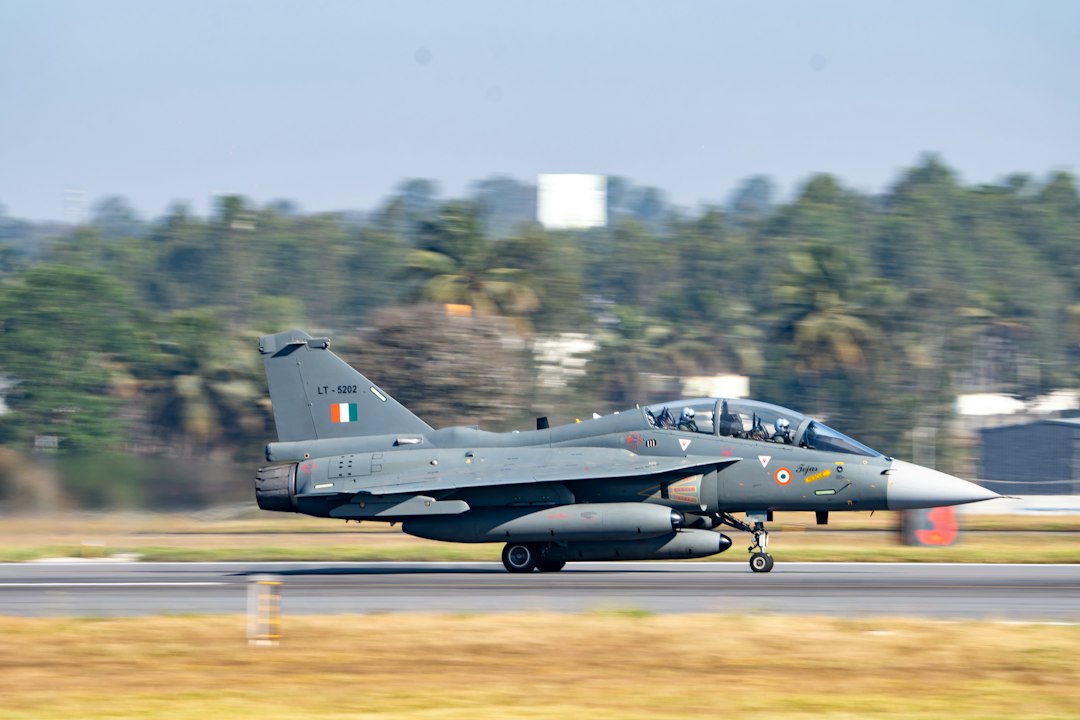
At the same time, the demand for aviation engineers will rise as the IAF integrates advanced technologies into its new aircraft. Engineers specializing in avionics, materials science, and systems integration will be crucial for implementing the MRFA deal. Career Ahead’s analysis shows that professionals with expertise in these advanced technologies will have a competitive edge in the job market. The focus on self-reliance and domestic manufacturing will also prompt educational institutions to align their curricula with the defense sector’s emerging needs. Partnerships between educational institutions and defense contractors may become more common, facilitating internships and training programs for students pursuing careers in aerospace engineering and military procurement.
Overall, the MRFA deal is set to reshape military procurement in India. It will lead to significant changes in job opportunities and skills requirements across the defense sector. As the IAF prepares to finalize the MRFA deal, industry stakeholders must closely monitor developments and adapt to the evolving demands of defense. The implications of this deal go beyond aircraft acquisition; they signal a transformative shift in how India approaches its defense capabilities and the skills needed to support them.
Frequently Asked Questions
What should defense contractors know about the MRFA deal?
Defense contractors should know that the MRFA deal will greatly increase the demand for fighter jets. This will lead to new contracts and partnerships in the defense sector. They must be ready for a competitive landscape that values advanced technologies and domestic manufacturing capabilities.
Military procurement specialists will need to manage the complexities of this transition, ensuring compliance with regulations and effective contract management.
How will the MRFA deal affect military procurement strategies?
The MRFA deal shows a strategic shift towards self-reliance in defense procurement, emphasizing domestic capabilities. Military procurement specialists will need to manage the complexities of this transition, ensuring compliance with regulations and effective contract management.

What skills are needed for aviation engineers in light of the MRFA deal?
Aviation engineers should focus on advanced technologies like avionics, materials science, and systems integration to meet MRFA deal requirements. Those with expertise in these areas will be in high demand as the IAF modernizes its fleet.
Written by Career Ahead AI. AI can make mistakes, so verify key facts. Report errors to support@careeraheadonline.com.