No products in the cart.

Revise or Resubmit ITR-3 Before Deadline
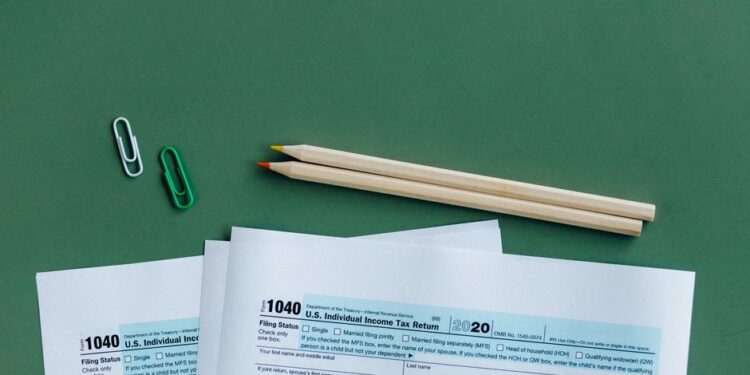
Many salaried individuals may have rushed to file their returns, only to realize they used the wrong form.

India — Taxpayers who filed the wrong Income Tax Return (ITR) form by the July 31 deadline now face important choices. The deadline for submitting a new ITR-3 or revising previous filings is August 31. Understanding these options is crucial to avoid penalties and ensure compliance.
Many salaried individuals may have rushed to file their returns and realized they used the wrong form. Some income types require filing ITR-3 or ITR-4, even if the main income is from salary. This can happen if taxpayers overlook other income sources like freelancing, consultancy, or trading profits. Correcting these mistakes is urgent because incorrect filings can lead to large tax liabilities and complications during assessments.
Siddharth Maurya, Founder and Managing Director of Vibhavangal Anukulkara, emphasizes the importance of filing the correct ITR form. For example, individuals earning income from services, commissions, or partnerships cannot file ITR-1 or ITR-2. They must file ITR-3 or ITR-4 based on their income details. This is crucial for those involved in intraday trading or receiving partner remuneration. Tax authorities are closely scrutinizing returns for discrepancies, making accuracy even more important.
A salaried person with income from futures and options (F&O) trading must file ITR-3. This form is meant for individuals with business or professional income, ensuring all income sources are reported accurately. On the other hand, ITR-4 applies only if the taxpayer chooses presumptive taxation under sections 44AD, 44ADA, or 44AE, which have specific income limits. The distinction between these forms is vital, as filing the wrong one can lead to penalties and affect the ability to claim deductions or carry forward losses.
Career Ahead’s analysis shows that timely action is essential, especially for those with business or F&O losses they wish to carry forward.
You may also like
 Government & Policy
Cornell faces a Greek life reckoning
Cornell University reevaluates its Greek life organizations following serious misconduct allegations, igniting a national conversation about accountability and reform.
Read More →Taxpayers who filed an incorrect ITR-1 or ITR-2 and verified their return should not file a new original return. They must discard the incorrect return if it is unverified. This step is crucial to avoid complications and penalties later. Career Ahead’s analysis shows that timely action is essential, especially for those with business or F&O losses they wish to carry forward. Accurate filings are critical, as errors can lead to significant tax liabilities or penalties that affect financial stability.
For those who have not verified their incorrect filings, they can discard and file a new return in the correct form until August 31. However, this must be done carefully, ensuring the correct return is ready before discarding the old one. Accurate filings are crucial, as mistakes can lead to serious tax liabilities or penalties. Taxpayers should also prepare necessary documents like Form 16, Form 26AS, and other financial statements. These documents are essential for reporting income accurately and ensuring compliance with tax regulations.
Revise Your ITR Before the Deadline
If a taxpayer finds an error after filing but before the August 31 deadline, they can file a revised return. To revise an ITR, select Section 139(5) and provide the acknowledgment number and filing date of the original return. This allows taxpayers to disclose all their income, not just the omitted amount. Maurya stresses that all income details must be accurately reflected in the revised return. Taxpayers should also be aware of the need to pay any additional self-assessment tax and interest from the revised return. This is essential to avoid penalties and ensure compliance. The revised return must be verified by the taxpayer within 30 days of filing, adding urgency to the process.
The utilities for filing ITR-3 and ITR-4 for the assessment year 2026-27 are already available. Taxpayers are encouraged to use these resources effectively to meet the filing requirements before the deadline. Career Ahead research finds that understanding these details can greatly reduce the risk of penalties and ensure compliance with tax regulations. As the deadline approaches, taxpayers must stay alert and proactive in correcting any filing errors. The consequences of filing the wrong ITR form can be significant, leading to unwanted penalties and complications during assessments. Choosing between submitting a new ITR-3 or revising an existing return is not just a procedure; it can have lasting financial effects.

Ultimately, the decisions made in the coming days will shape the tax situation for many individuals. Taxpayers must carefully consider their options and the potential consequences. As the August 31 deadline nears, swift action is necessary to correct any filing errors. Submitting the correct form is vital, as it directly impacts compliance and financial obligations. The financial implications of these decisions can be profound, affecting not just the current tax year but also future filings.
Frequently Asked Questions
What are the steps to submit a fresh ITR-3?
You may also like
 Government & Policy
Common EPFO Claim Errors to Avoid
Understanding the reasons behind EPF claim rejections is crucial for both employees and HR managers. This article outlines common errors and provides guidance on how…
Read More →To submit a fresh ITR-3, taxpayers must first discard their unverified incorrect return. Then, they can file the correct form by August 31. Ensure all income details are accurately reported and that necessary documentation is ready.
Taxpayers should also be aware of the need to pay any additional self-assessment tax and interest from the revised return.
How can I revise my ITR after filing?
To revise your ITR, select Section 139(5) while filing the revised return. Provide the acknowledgment number and original filing date. Ensure all income is disclosed correctly and verify the revised return within 30 days.
What are the consequences of filing the wrong ITR form?
Filing the wrong ITR form can lead to penalties and complications during the assessment process. It may also affect the ability to carry forward losses or claim deductions, impacting overall tax liability.