No products in the cart.

Robots Demand AI Regulation on Warsaw Streets | Career Outlook

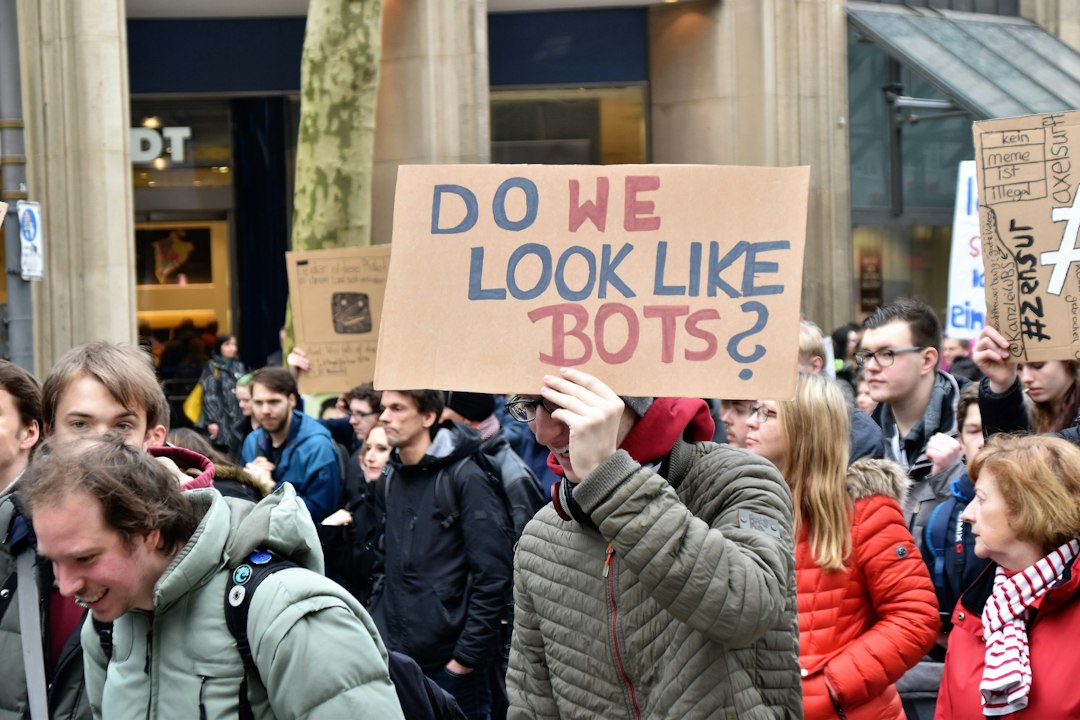
Around 30 robots protested outside Poland's Digital Affairs Ministry, calling for stronger regulations on artificial intelligence. This demonstration highlights growing concerns about AI's impact on employment and the urgent need for regulatory measures.

In a striking demonstration, around 30 robots gathered outside the Digital Affairs Ministry in Warsaw this past week, demanding stronger regulations on artificial intelligence. This unusual protest, organized by the initiative Democratism, aimed to raise awareness about the potential impact of AI and automation on human employment. The robots, including humanoid figures and robot dogs, carried flags and broadcasted messages calling for urgent regulatory measures.
The protest highlights a growing concern among both the public and policymakers regarding the rapid development of AI technologies and their implications for the workforce. Grzegorz Kulis, a human organizer of the event, emphasized the need for laws that protect workers from being replaced by increasingly capable machines. He stated, “If we don’t react now, we may soon have a problem,” referring to the potential displacement of workers by AI systems. This sentiment resonates with many workers who fear that their jobs may soon be at risk due to advancements in automation.
Growing Demand for AI Compliance Standards
As the protest unfolded, it coincided with Poland’s implementation of new AI regulations aligned with the European Union’s broader efforts to establish a comprehensive regulatory framework. The EU AI Act, which came into force in 2024, employs a risk-based approach to AI governance, mandating stricter requirements for systems deemed likely to cause harm. Most of these regulations began to apply in August 2026, establishing a significant shift in how AI technologies will be governed. The act aims to ensure that AI systems are developed and deployed in a manner that is safe, ethical, and respects fundamental rights.
Career Ahead’s analysis shows that the introduction of these regulations is not merely a bureaucratic exercise; it signifies a fundamental change in the landscape for robotics engineers and AI policy advocates. The call for compliance standards reflects an urgent need for engineers to adapt their designs and practices to meet new legal requirements. This shift is expected to create a new area of expertise within the field, where professionals must ensure that their AI systems adhere to established guidelines. As noted by various experts, this could lead to a more responsible approach to AI development, where ethical considerations are prioritized alongside technological innovation.
This collaboration could foster a more integrated approach to technology development, where engineers and regulators work hand in hand to create systems that benefit society as a whole.
You may also like
 Government & Policy
US AI Task Force Report Highlights Key Risks for Technology Regulation
As AI technologies rapidly advance, understanding the potential risks becomes essential for developing effective regulatory frameworks. The Task Force's findings will likely address various challenges,…
Read More →Moreover, the regulatory environment is likely to lead to increased job creation within regulatory bodies. As governments and organizations seek to enforce compliance with these new standards, there will be a demand for professionals who can navigate the complexities of AI legislation. Robotics engineers will need to collaborate closely with policymakers to ensure that their innovations align with safety and ethical standards. This collaboration could foster a more integrated approach to technology development, where engineers and regulators work hand in hand to create systems that benefit society as a whole.
The protest itself serves as a reminder that the conversation about AI regulation is not limited to policymakers and tech giants; it is a matter of public concern. The presence of robots advocating for their own regulation underscores the urgency of the issue. As technology continues to advance, the need for robust regulatory frameworks will become increasingly critical. The event has sparked discussions not only in Poland but across Europe, as other nations observe the implications of such protests and the public’s demand for accountability in AI deployment.
Implications for the Workforce and Industry
The implications of this protest and the accompanying regulatory changes extend beyond compliance for engineers. The potential for job displacement due to AI and automation is a pressing concern for many workers. Kulis pointed out that the protest aimed to connect the rapid development of robotics with the very real fears of job loss among human workers. This intersection of technology and employment raises questions about the future of work in an increasingly automated world. As highlighted in a report from India Today, the robots’ demands echo the anxieties of many employees who worry that they may soon be replaced by machines capable of performing tasks more efficiently.
Career Ahead research identifies that as AI technologies become more integrated into various industries, the demand for skilled workers who can operate within this new regulatory framework will grow.
Career Ahead research identifies that as AI technologies become more integrated into various industries, the demand for skilled workers who can operate within this new regulatory framework will grow. Engineers who can design compliant AI systems will be at a significant advantage in the job market. Conversely, those who fail to adapt may find themselves at a disadvantage as employers prioritize compliance in their hiring processes. The shift towards compliance will likely necessitate a reevaluation of educational programs to ensure that the next generation of engineers is equipped with the necessary skills to thrive in this evolving landscape.
You may also like
 Government & Policy
Cornell President Calls Rape Inquiry ‘Defining Moment’ for Campus
In response to a recent sexual assault inquiry, Cornell University is implementing significant reforms for Greek organizations, emphasizing accountability and enhanced prevention programs. President Michael…
Read More →Furthermore, the protest highlights a societal shift towards greater scrutiny of technology’s role in our lives. The public’s demand for accountability from AI systems reflects a desire for transparency and ethical considerations in technology deployment. This trend will likely influence future legislation and industry standards, shaping the way robotics engineers and AI policy advocates approach their work. As noted in coverage by LiveMint, the robots’ call for regulation is a clear indication that society is beginning to recognize the need for a balanced approach to technological advancement that considers both innovation and the welfare of workers.
The growing emphasis on compliance and ethics in AI development may also lead to innovative solutions that prioritize human welfare. As engineers and policymakers collaborate, there is potential for creating AI systems that enhance productivity while safeguarding jobs. The outcome of these discussions could redefine the relationship between humans and machines in the workplace. As the situation unfolds, it is essential for robotics engineers and AI policy advocates to stay informed about regulatory developments. Understanding the implications of these changes will be crucial for navigating the evolving landscape of AI and robotics.
The protest is a clear signal that the conversation around AI regulation is intensifying. As the regulatory landscape evolves, professionals in the field must be prepared to adapt to new requirements and expectations. The engagement of robots in this protest signifies a new era where the implications of AI are not just theoretical but a matter of public discourse, prompting a collective reevaluation of how society approaches the integration of AI technologies in everyday life.
Collaboration with legal experts and continuous education on regulatory changes will be crucial for maintaining compliance in their projects.
Frequently Asked Questions
What regulations should robotics engineers be aware of?
Robotics engineers must stay updated on the EU AI Act and national AI systems laws, which impose strict compliance requirements on AI technologies. Understanding these regulations will be essential for ensuring that their designs meet safety and ethical standards.
How can AI policy advocates influence upcoming legislation?
AI policy advocates can engage with lawmakers and participate in public discussions to shape the regulatory landscape. By providing insights and recommendations, they can help ensure that regulations reflect the realities of technological advancements and their impact on the workforce.

What steps should robotics engineers take to ensure compliance with new AI regulations?
Robotics engineers should familiarize themselves with the specific requirements outlined in the EU AI Act and national legislation. Collaboration with legal experts and continuous education on regulatory changes will be crucial for maintaining compliance in their projects.
You may also like
 Government & Policy
China Resumes Fuel Export Curbs, Impacting Global Oil Prices
China's recent resumption of fuel export curbs is tightening global oil markets, leading to rising prices and supply chain challenges. Oil refinery managers and global…
Read More →