No products in the cart.

Rupee Falls to 95.38 Against U.S. Dollar Amidst Market Pressures
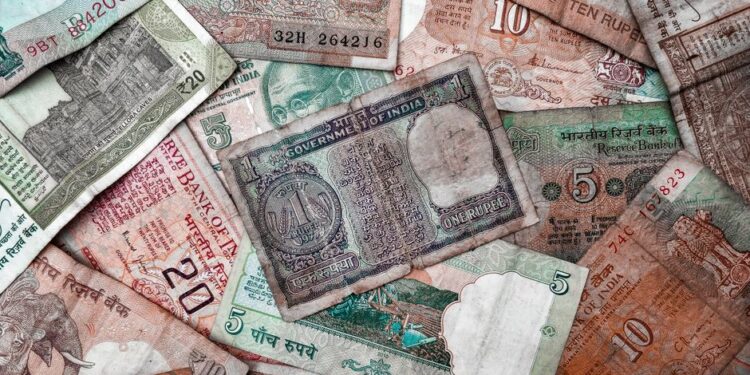
The Indian rupee has depreciated to 95.38 against the U.S. dollar, raising concerns about import costs and financial forecasting amid ongoing market pressures.

The Indian rupee fell by 8 paise to 95.38 against the U.S. dollar on August 11, 2026. This drop reflects ongoing market pressures from geopolitical tensions and rising crude oil prices. Businesses that rely on imports and financial analysts are concerned about future costs and budgets.
The rupee’s decline is linked to the unresolved West Asia crisis, which keeps global markets on edge. As crude oil prices surged to over $87 per barrel, the rupee faced more pressure. According to XE.com, this currency fluctuation directly affects the cost of imported goods. Businesses must adjust their financial strategies accordingly.
Impact on Import Costs for Goods and Services
The rupee’s depreciation has immediate effects on import costs in various sectors. As the rupee weakens, businesses that depend on imported goods face rising expenses. For example, a company importing machinery or raw materials will need more rupees to buy the same amount of dollars. This increase can lead to higher prices for consumers, as businesses may pass on these costs.
Career Ahead’s analysis shows that the current exchange rate means every dollar spent on imports now costs 95.38 rupees, up from 95.30 just a day earlier. This small change can add up for businesses with large import volumes. For instance, importing $100,000 worth of goods now costs an additional 8,000 rupees, affecting margins and pricing strategies.
The rising cost of crude oil is especially concerning for sectors that heavily rely on energy imports. Higher oil prices increase transportation costs and affect goods that depend on oil for production. This situation creates a ripple effect throughout the economy, as higher energy costs can lead to inflationary pressures.
Import-export managers must closely monitor these fluctuations and consider strategies to hedge against currency risks. By using financial instruments like forward contracts, businesses can lock in exchange rates. This approach provides some stability against future currency movements and can help mitigate the impact of a depreciating rupee on import costs.
Given these developments, businesses must prepare for possible changes in consumer behavior.
Given these developments, businesses must prepare for possible changes in consumer behavior. As import prices rise, consumers may look for alternatives or delay purchases. This change can impact sales forecasts and inventory management. Understanding these dynamics is crucial for import-export managers to navigate the evolving landscape effectively.
Effects on Financial Forecasting and Budgeting
The rupee’s depreciation significantly affects financial forecasting and budgeting for companies across sectors. Financial analysts must adjust their models to account for increased import costs and potential inflation. This adjustment is vital for accurate profit margin predictions and overall financial health assessments.
According to TradingView, ongoing currency market volatility requires a more dynamic approach to financial planning. Analysts must consider scenarios that reflect potential further declines in the rupee, especially if geopolitical tensions escalate or crude oil prices keep rising. These scenarios help organizations prepare for various outcomes, ensuring they remain agile in their financial strategies.
Furthermore, the Reserve Bank of India’s interventions in the forex market, like selling dollars to stabilize the rupee, may also affect forecasting. While these measures can provide temporary relief, they may not be sustainable long-term. Analysts should consider the potential for future currency fluctuations in their projections.

Career Ahead’s research suggests that businesses should adopt a conservative budgeting approach during currency volatility. By increasing contingency funds and preparing for higher operational costs, companies can better withstand the impacts of a depreciating rupee on their financial health.
Additionally, financial analysts should communicate these changes to stakeholders. This ensures that everyone understands the potential impact on profitability and operational strategies. Transparency fosters a collaborative approach to navigating the challenges posed by a fluctuating currency.
As import costs rise, businesses may increase prices to maintain profit margins, contributing to overall inflation.
Potential Influence on Inflation Rates
The rupee’s depreciation is likely to have broader implications for inflation rates in the economy. As import costs rise, businesses may increase prices to maintain profit margins, contributing to overall inflation. This situation poses a challenge for policymakers, as rising inflation can erode consumer purchasing power and impact economic growth.
According to Investing.com, the link between currency depreciation and inflation is well-documented. When the cost of imported goods increases, it can lead to a general rise in prices. This inflationary pressure may prompt the Reserve Bank of India to consider adjusting interest rates to curb inflation, which could further affect borrowing costs for businesses and consumers.
For import-export managers, understanding the potential for inflation is crucial for future planning. As prices rise, consumers may change their spending habits, impacting demand for imported goods. This shift can create challenges in inventory management and sales forecasting, requiring a reevaluation of business strategies.

The current economic environment highlights the need for flexibility in pricing strategies. Businesses may need to adopt more dynamic pricing models that reflect real-time changes in currency values and input costs. This adaptability can help mitigate inflation impacts and ensure competitiveness in the market.
As businesses navigate this complex landscape, collaboration between financial analysts and import-export managers will be essential. By sharing insights and data, these professionals can develop coordinated strategies to address the challenges posed by a depreciating rupee and rising inflation.
As geopolitical tensions and market pressures evolve, businesses must stay prepared for potential shifts that could impact their operations.
The ongoing fluctuations in the rupee’s value highlight the need for vigilance and adaptability in financial planning. As geopolitical tensions and market pressures evolve, businesses must stay prepared for potential shifts that could impact their operations.
Frequently Asked Questions
How will the rupee’s depreciation affect my import costs?
Career Ahead’s analysis shows that a weaker rupee increases import costs. Businesses will need to spend more rupees to buy the same amount of dollars, leading to higher expenses for imported goods.
What strategies can financial analysts use to mitigate risks from currency fluctuations?
Financial analysts can use hedging strategies, like forward contracts, to lock in exchange rates. This approach provides some stability against future currency movements and helps manage financial forecasts effectively.
What should import-export managers do to adapt to changing currency values?
Import-export managers should monitor currency fluctuations closely and adjust pricing strategies. By understanding how currency changes affect import costs, they can make informed decisions about inventory and pricing.
Written by Career Ahead AI. AI can make mistakes, so verify key facts. Report errors to support@careeraheadonline.com.