No products in the cart.

Russia’s Share of India’s Oil Imports Reaches 48%

India's oil imports from Russia reached an unprecedented 48% in June 2026, raising significant concerns about energy security amid looming U.S. tariffs. This shift underscores India's evolving energy sourcing strategy and the urgent need for diversification.

India’s oil imports from Russia surged to a record high of 48% in June 2026, a significant increase that coincides with the U.S. Senate’s passage of a bill proposing tariffs of up to 100% on countries purchasing Russian oil. This development raises critical questions about India’s energy security and its trade relations with both Russia and the United States. According to data from The Hindu, India imported 8.7 million metric tonnes (MMT) of Russian oil in June alone, marking a substantial shift in India’s energy sourcing strategy.
Despite an overall decline in crude oil imports by 16.5% compared to the previous month, the share of oil from Russia has been on a steady rise since March 2026. This trend highlights a strategic pivot in India’s energy sourcing, driven by fluctuating global oil prices and geopolitical tensions. Data from the Economic Times corroborates this shift, indicating India’s increasing reliance on Russian oil as a response to changing market dynamics.
Implications of Russia’s Dominance in India’s Oil Imports
The rise in Russian oil imports has significant implications for India’s pricing strategies. With Russia supplying nearly half of India’s oil needs, the dynamics of oil pricing are shifting. Notably, the premium charged by Russia has decreased dramatically, dropping from $77.7 per tonne in April 2026 to just $10.6 per tonne in June. This reduction suggests that India’s negotiating power may be improving, allowing it to secure more favorable terms in a volatile market.
However, this dependency on Russian oil poses substantial risks. As India becomes increasingly reliant on a single supplier, it exposes itself to potential market fluctuations and geopolitical tensions, particularly in light of the proposed U.S. tariffs. If enacted, these tariffs could disrupt supply chains and lead to higher costs for Indian consumers, exacerbating inflation and economic instability. The IMPRI India has warned that such tariffs could significantly impact India’s economy, necessitating a reevaluation of its energy sourcing strategy.
With Russia supplying nearly half of India’s oil needs, the dynamics of oil pricing are shifting.
Strategic Considerations for Energy Security
Energy economists must consider the long-term sustainability of India’s current reliance on Russian oil. While the immediate benefits of lower prices are appealing, the potential vulnerabilities associated with depending on a single supplier cannot be overlooked. If U.S. tariffs are implemented, India could face severe economic challenges, including increased costs and possible supply shortages. As the geopolitical landscape evolves, it is imperative for India to diversify its energy portfolio to mitigate these risks.
As India navigates this complex situation, analysts must closely monitor the interplay between U.S. sanctions, Russian pricing strategies, and India’s energy needs. The ongoing tensions in global oil markets necessitate a proactive approach to energy sourcing and pricing strategies. India’s Petroleum Ministry has indicated readiness to pivot quickly if necessary, emphasizing the importance of maintaining a diverse energy supply.
Shifts in Global Trade Dynamics
The increase in Russian oil imports reflects broader changes in international trade relations. With the U.S. poised to impose tariffs, India may need to reassess its trade strategies. The current geopolitical climate underscores the urgency of diversifying energy sources. India’s Petroleum Ministry has acknowledged the historic highs of oil imports from both Russia and the UAE, while also expressing readiness to adapt to changing circumstances.
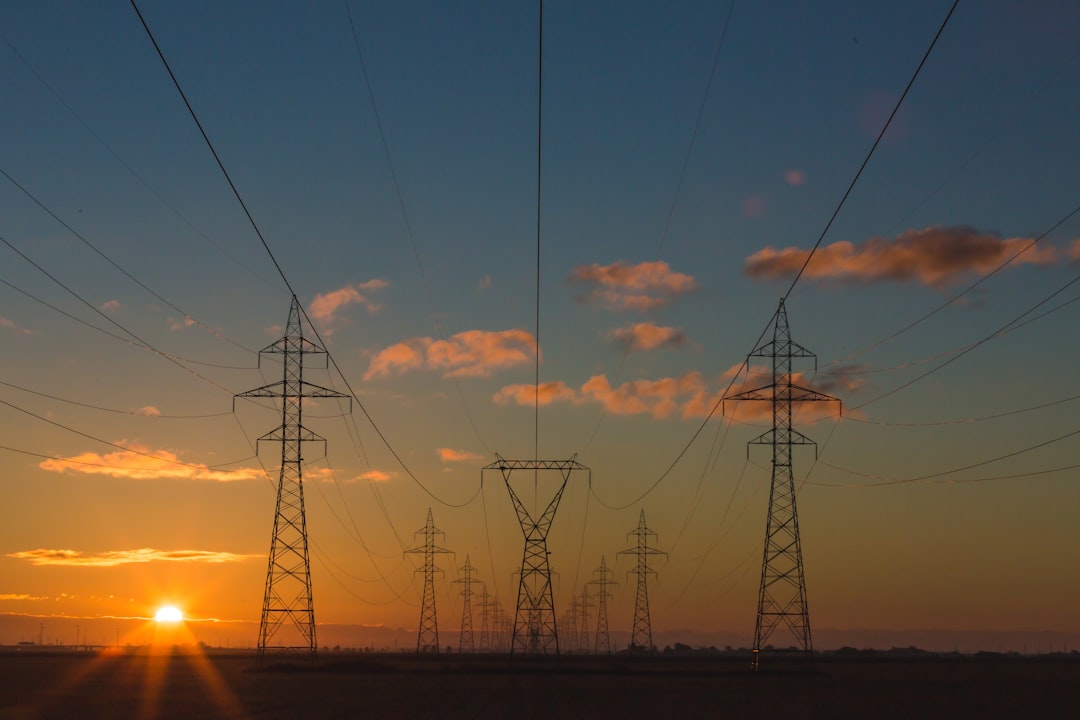
Research indicates that India’s oil import strategy aligns with a global trend among emerging markets seeking energy independence. As countries like India grapple with fluctuating oil prices and political instability, a shift towards Russian oil may provide a temporary solution for securing energy supplies. However, this strategy must be balanced against the risks of over-reliance on a single supplier. The Desh Bulletin highlights that India’s evolving trade relations with Russia could reshape its international trade dynamics in the future.
Moreover, the potential for U.S. tariffs may compel India to explore alternative suppliers and energy sources. Increased costs associated with Russian oil could incentivize India to invest more in renewable energy and domestic oil production. As the global energy landscape shifts, India’s response to these tariffs will be crucial for its long-term energy security. The urgency for diverse energy sources has never been more pronounced, and India must navigate these challenges to ensure a stable energy future.
The urgency for diverse energy sources has never been more pronounced, and India must navigate these challenges to ensure a stable energy future.
Frequently Asked Questions
What are the implications of Russia supplying 48% of India’s oil?
The increase to 48% in Russian oil imports raises concerns about India’s energy security and economic stability. If U.S. tariffs are enacted, India could face higher costs and supply chain disruptions, affecting consumers and businesses.
How might U.S. tariffs affect India’s oil import strategy?
The proposed U.S. tariffs could significantly raise the cost of Russian oil for India, prompting a need for diversification in energy sourcing. India may need to explore alternative suppliers to reduce potential economic impacts.

What should energy economists consider about India’s reliance on Russian oil?
Energy economists must analyze the risks of relying heavily on a single supplier. Market fluctuations and geopolitical tensions require India to develop a more resilient energy strategy.
Related Articles
- 45% of Indian Exports to the U.S. Exempt
Written by Career Ahead AI. AI can make mistakes, so verify key facts. Report errors to support@careeraheadonline.com.