Sanrio ended its association with Netflix TV drama Vivant late Wednesday. The company apologised for the commercial tie-up and said it had found elements inconsistent with its core values. It announced the decision on Weibo, the Chinese social media site.
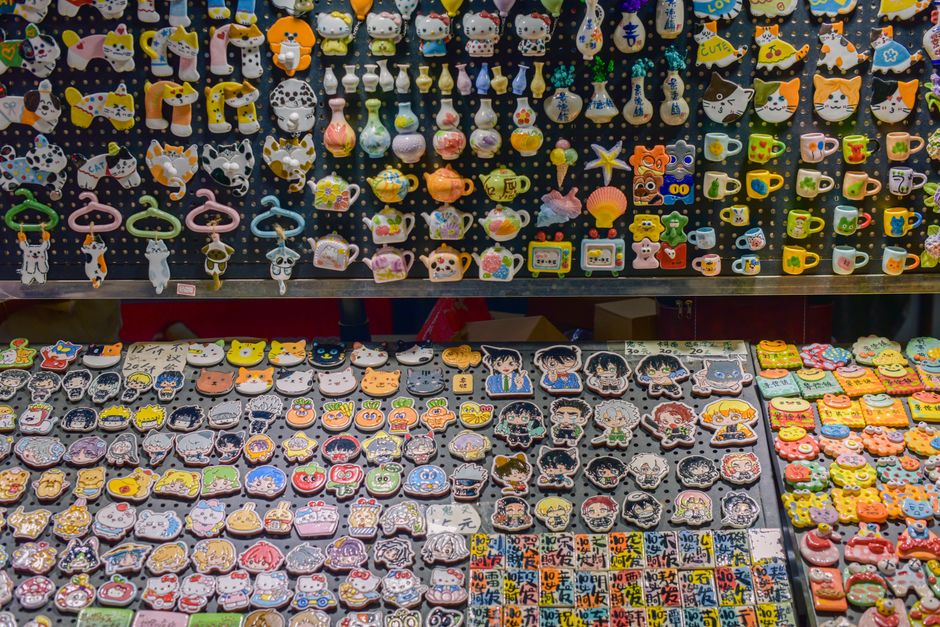
Sanrio’s collaboration included themed merchandise
Sanrio said it would strengthen its review processes for future collaborative projects. The tie-up included Vivant-themed merchandise featuring My Melody and Cinnamoroll, characters from Sanrio’s cast. Their appearance on merchandise gave the collaboration a commercial form alongside the drama itself. Sanrio’s stated review change applies to future collaborative projects, rather than only to its relationship with Vivant.¹²
Vivant is produced by the Japanese TBS network. Masato Sakai plays a salaryman drawn into international crime and espionage. The show’s second season premiered in July. These details place Sanrio’s involvement alongside a drama built around a fictional espionage plot: the production credit belongs to TBS, while Sanrio’s connection included themed merchandise.¹²
A torture scene prompted historical comparisons
The scene at the centre of the dispute aired in the 4 October episode. It showed a Chinese agent cutting off the fingers of a Japanese intelligence officer and stabbing him in the abdomen. The sequence depicted violence between characters identified by nationality, making the episode’s portrayal the focus of the criticism described by Chinese state outlets.¹²
Vivant is produced by the Japanese TBS network.
 Entrepreneurship & Business
Villa Vie Suspends Odyssey Cruise After Fuel Funds Run Out
The ship had sailed for more than 750 days. Villa Vie cited fuel costs and a restructuring review as it suspended operations.
Read More →Chinese state outlets, including CCTV, argued that the torture tactics in Vivant highly overlap with those historically used by Japanese troops against the Chinese. That argument connected the drama’s depicted violence to historical abuses. It was a claim made by the outlets about the tactics shown in the programme, rather than a statement from Sanrio about the scene.¹²
Masamine Ryuho, president of TBS, said on Wednesday that Vivant was completely fictional and had no intention of disparaging any particular country. His response addressed the interpretation of the programme: it presented the drama as fiction and denied an intention to target a country. Sanrio’s separate decision concerned its own association with the series.¹²

The dispute unfolded amid strained China-Japan ties
Japanese Prime Minister Sanae Takaichi said earlier this month that she had recorded episodes of Vivant and hoped to watch them over the year-end and new year holidays. Her comments linked the programme to a public figure during a period of diplomatic tension, though the statement about watching the episodes did not address the dispute over the torture scene.¹²
China-Japan ties had fallen to their lowest point in years after Takaichi’s comments on Taiwan last November sparked a diplomatic dispute. Beijing had also restricted rare earth exports to Japan. Those developments provide the wider political setting for the criticism of a Japanese drama in China, alongside the particular objections raised about its depiction of violence.¹²
Sanrio faced criticism as China revenue grew
The Global Times said Hello Kitty should not “dance with Japan’s right wing”. It also argued that Sanrio stood to lose far more than short-term sales by collaborating with what it called “anti-China content”. The comments framed the tie-up as a risk extending beyond immediate merchandise sales, and placed the criticism on the company’s business relationship with the drama.¹²
 Entrepreneurship & Business
Qualcomm Plans Global Job Cuts After Annual Reviews
A memo from chief executive Cristiano Amon links the reductions to performance culture and says business priorities and required skills will guide decisions.
Read More →Sanrio recorded 781 million yuan ($117 million) in revenue from the Chinese market in the first half of this year, up more than 40% from the same period last year. The figures show that China was a growing source of revenue for the company during the period cited. The criticism therefore coincided with a commercial market in which Sanrio’s revenue had increased.¹²
Those developments provide the wider political setting for the criticism of a Japanese drama in China, alongside the particular objections raised about its depiction of violence.¹²
Review partners for market exposure
If your role involves licensing or brand partnerships, treat a partner's content as a risk factor, not just a revenue line. Sanrio's China revenue grew over 40% to 781 million yuan in the first half of this year, yet a single scene in a drama forced it to end a tie-up and apologise. Before signing a collaboration, ask how the partner's catalogue is received in your key markets, and build a review process that screens for political or historical sensitivities, not just commercial fit.¹²
For those in media or entertainment, this shows that a show's fictional status does not shield it from market backlash. TBS's president called Vivant completely fictional, but Chinese state outlets still compared its torture scene to historical abuses, and the criticism reached a company unrelated to production. When you work on content that touches national identities, expect that your employer's or client's other business interests may be affected, and plan for how your work could be scrutinised beyond the screen.¹²
Sources
Written by Career Ahead AI. AI can make mistakes, so verify key facts. Report errors to support@careeraheadonline.com