No products in the cart.

School Cellphone Ban Yields Mixed Outcomes
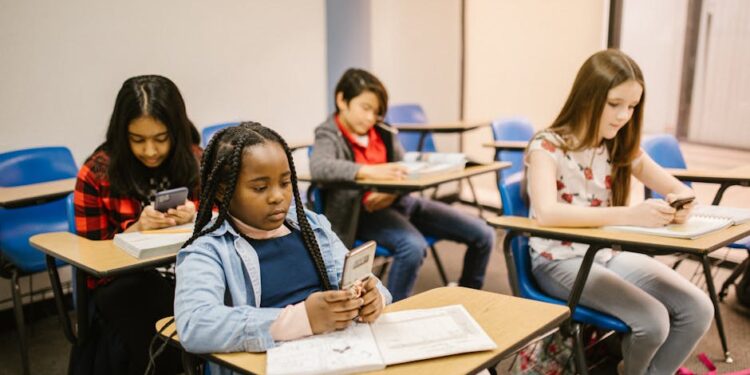
A new study on cellphone bans in schools shows mixed results. While bans reduce distractions, they do not improve academic performance. This raises questions about the effectiveness of such policies.


United States — A recent study on cellphone bans in schools has sparked significant debate regarding their effectiveness. The research suggests that while such bans successfully reduce distractions, they do not lead to improved academic performance. This finding raises important questions about the long-term implications of these policies for students and educators alike.
The study, published on May 4, 2026, highlights that bans have effectively removed devices from students’ hands. However, the anticipated improvements in behavior and academic outcomes have not materialized. According to analyzednews.com, the first large-scale study on this issue indicates that schools may need to reconsider the efficacy of their cellphone policies.
Cellphone Bans: A Bipartisan Approach
Over the past few years, cellphone bans have gained bipartisan support across the United States. Many educators and policymakers believed that eliminating distractions would lead to better learning environments. However, the reality appears more complex. A report from dnyuz.com suggests that while the intention behind these bans is commendable, the actual outcomes may not align with expectations.
The study’s findings show that while students are less likely to use their phones during school hours, behavioral issues and academic performance have remained stable. This challenges the assumption that simply removing phones will resolve deeper issues within the education system.
Critics argue that the focus on banning cellphones diverts attention from more pressing educational challenges. Issues like inadequate funding, teacher shortages, and curriculum relevance may play a more significant role in student outcomes than cellphone usage alone.
Behavioral Impact of Bans
Critics argue that the focus on banning cellphones diverts attention from more pressing educational challenges.
What Changed Quickly
Interestingly, the study reveals that student well-being may benefit from cellphone bans. Research indicates that students report feeling less anxious and more engaged in their classes when phones are not present. This aligns with findings from scientificamerican.com, which suggest that the absence of phones can lead to improved interpersonal interactions among students.
You may also like
 Government & Policy
DA Hike 2027: Allowance Soars to 67%
India is set to increase the Dearness Allowance (DA) for government employees and pensioners to 67% in January 2027, responding to rising inflation. This adjustment…
Read More →Despite these potential benefits, the lack of measurable academic improvement raises concerns. Schools might be tempted to implement bans without fully understanding their implications. The challenge lies in balancing the need for a distraction-free environment with the reality of students’ reliance on technology for learning and communication.
Furthermore, the study highlights a generational gap in attitudes towards cellphone use. Younger students, who have grown up with smartphones, may find it difficult to adapt to a school environment that restricts their use. This cultural shift could lead to further disengagement if not managed carefully.
Wider Implications for Education Policy
The findings of this study have broader implications for education policy. As schools navigate the complexities of technology integration, the focus must shift from blanket bans to more nuanced approaches. Policymakers should consider how to incorporate technology in ways that enhance learning rather than hinder it.
For instance, some schools have begun to implement structured technology use policies, allowing students to use their phones for educational purposes while limiting distractions. This hybrid approach could serve as a model for other institutions grappling with similar challenges.
Moreover, as the education landscape continues to evolve, it is crucial for schools to engage with students and parents in discussions about technology use.
Moreover, as the education landscape continues to evolve, it is crucial for schools to engage with students and parents in discussions about technology use. Collaboration can lead to more effective policies that reflect the needs and realities of today’s learners.
Potential Counterpoints
Why the Shift Matters
You may also like
 Government & Policy
US jobs market sees sharp slowdown ahead of midterm elections | Career Outlook
This slowdown is particularly relevant for human resources managers, retail hiring managers, and tech recruiters, as it reflects broader economic trends that could lead to…
Read More →While the study presents compelling evidence against the effectiveness of cellphone bans, some educators argue that these policies are necessary for maintaining classroom order. Proponents of bans often cite anecdotal evidence of improved focus and reduced disruptions when phones are not allowed.
However, this perspective may overlook the potential of teaching responsible technology use. Instead of outright bans, schools could focus on educating students about the appropriate use of smartphones within the classroom setting. This could empower students to make better choices regarding their device usage.
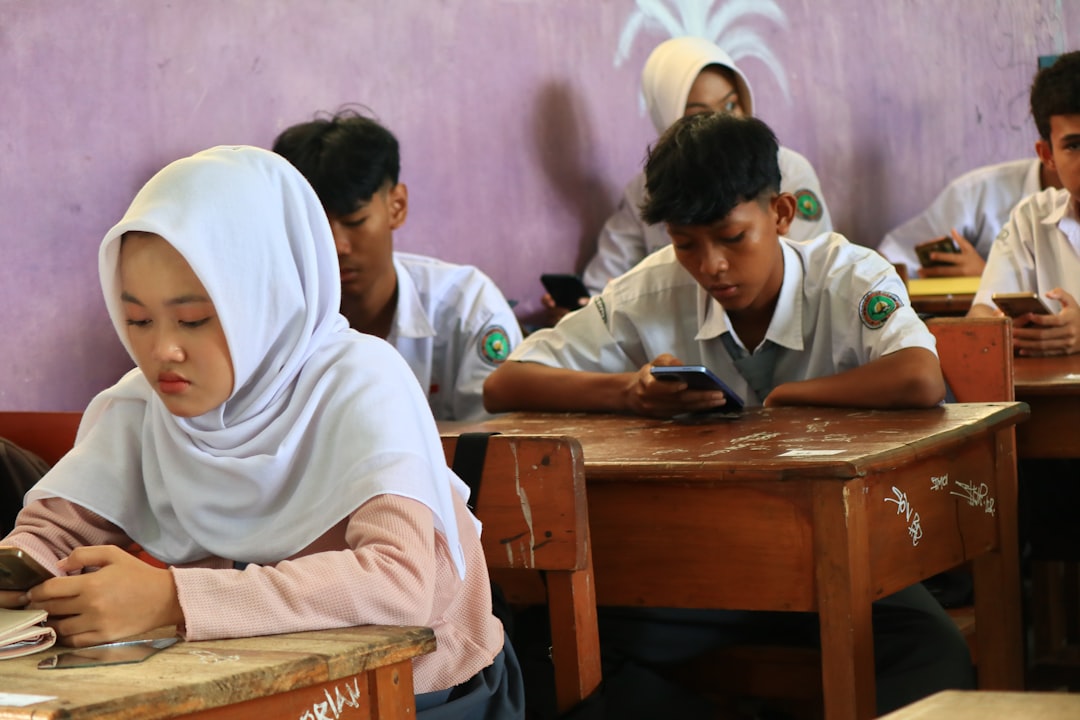
Ultimately, the challenge remains to find a balance between leveraging technology for educational purposes and minimizing distractions that can disrupt learning.
Implications for Future Educational Strategies
As schools reflect on the findings of this study, the future of cellphone policies remains uncertain. Will schools continue to impose bans, or will they adapt to a more integrated approach? Educators and policymakers must consider the evolving role of technology in education.
Educators and policymakers must consider the evolving role of technology in education.
In the coming years, we may see a shift towards more flexible policies that allow for controlled cellphone use during specific times or for certain educational activities. This could enhance student engagement while still addressing concerns about distractions.
Ultimately, the conversation around cellphone use in schools is far from over. As more studies emerge, the education community will need to remain agile and responsive to new findings and trends.
You may also like
 Education & University Insights
From Chambal Roots to IIT and Global Career Triumph
Dev Prabhakar Singh Tomar's journey from a Chambal village to securing AIR 629 in UPSC is a testament to resilience and determination.
Read More →Understanding the impact of cellphone policies on student outcomes is crucial for fostering an environment conducive to learning. The ongoing dialogue will shape the future of educational practices and policies.
This study raises critical questions about how schools can best support their students in a technology-driven world. As the landscape of education continues to evolve, stakeholders must remain vigilant and proactive in addressing the challenges that lie ahead.