No products in the cart.

Sea’s Vision for AI-Driven Software Development

This article explores Sea's innovative use of Codex for software development, examining its impact on productivity, team dynamics, and the future of engineering roles.

Transforming Software Development with AI
In a rapidly evolving tech landscape, companies must adapt to stay competitive. Sea Limited is at the forefront of this shift, leveraging OpenAI’s Codex to revolutionize software development. This initiative aims to enhance productivity and creativity among engineering teams. As the demand for efficient software solutions grows, Sea’s approach could set a new standard in the industry.
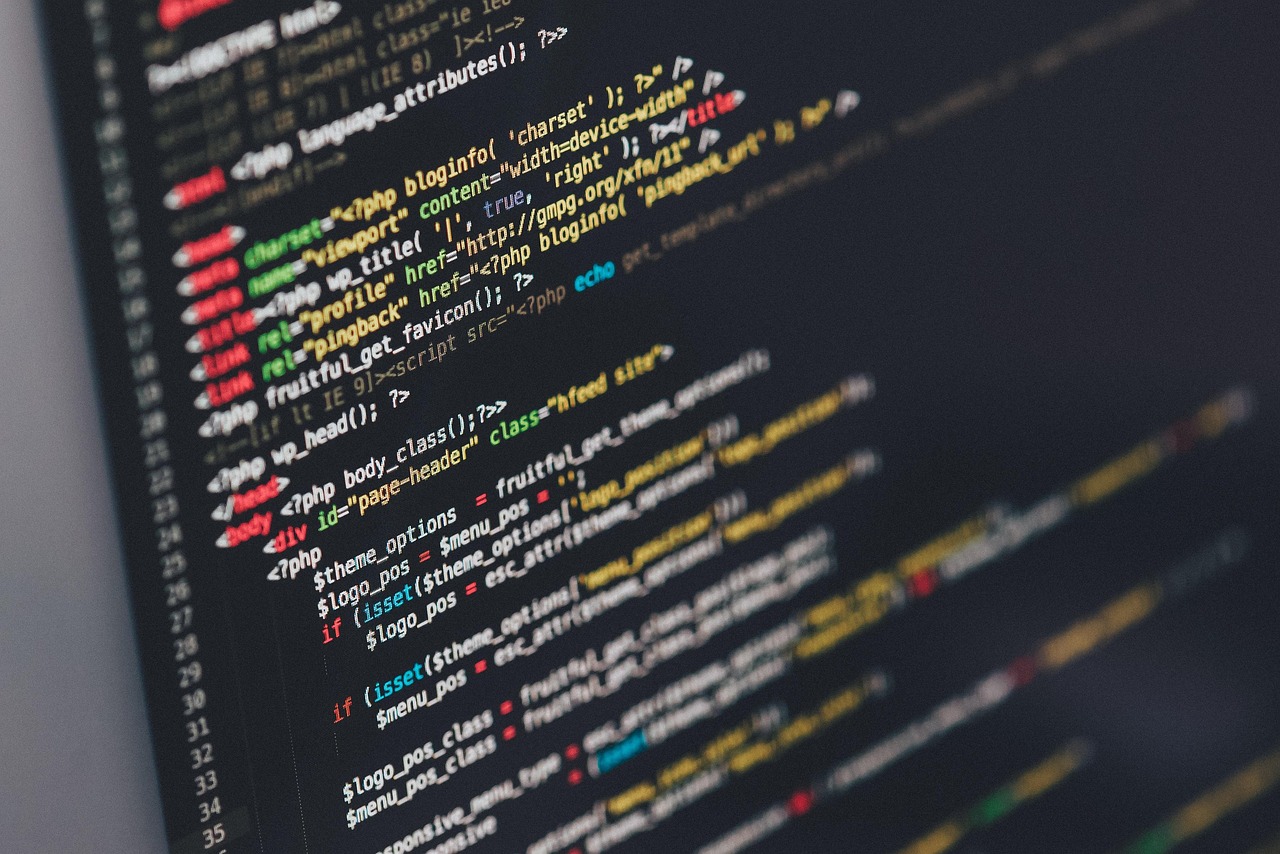
Codex, an AI system developed by OpenAI, assists programmers by automating routine coding tasks. This allows developers to focus on complex problem-solving and design. Sea’s Chief Product Officer, David Chen, emphasizes that integrating Codex into their workflows is not just about efficiency; it’s about fostering innovation within teams. By enabling engineers to write code faster, Sea is positioning itself as a leader in AI-native development.
According to OpenAI, Codex can interpret natural language commands and convert them into code. This capability significantly reduces the time spent on mundane coding tasks, leading to quicker project completions and a more agile response to market demands. With Codex, Sea aims to empower its engineers, allowing them to harness AI as a collaborative partner in the development process.
Agentic Development: A New Paradigm
The concept of agentic software development represents a paradigm shift in how software is created. It emphasizes the role of AI in augmenting human capabilities rather than replacing them. Sea’s adoption of Codex illustrates this shift, enhancing the creative potential of engineers while streamlining workflows. This model not only improves productivity but also encourages a culture of experimentation and innovation.
As companies increasingly adopt AI tools, the landscape of software development is changing. AI-driven development tools like Codex are becoming essential for modern engineering teams, allowing developers to focus on higher-level tasks that require human intuition and creativity. This shift could redefine job roles within tech companies, making them more strategic and less focused on routine coding.
This highlights the need for educational institutions to adapt their curricula to prepare students for a future where AI plays a central role in development.
You may also like
 Entrepreneurship & Business
Why Stricter Return Policies Hurt Retailers and Customers
Stricter return policies frustrate consumers and threaten customer loyalty. A carpet seller's approach emphasizes the importance of customer satisfaction over short-term savings.
Read More →Moreover, the integration of AI into software development may necessitate new competencies among engineers, particularly in areas related to AI management and ethical considerations. This highlights the need for educational institutions to adapt their curricula to prepare students for a future where AI plays a central role in development.
Business Implications of AI Adoption
The implications of adopting Codex at Sea extend beyond immediate productivity gains. Businesses that embrace AI tools can expect significant changes in project timelines and costs. Companies that effectively implement AI in their development processes can reduce development times by up to 50%, leading to increased profitability and a competitive edge in a crowded market.
As Sea scales its use of Codex, it is likely to influence industry standards, prompting other companies to follow suit. This trend could lead to a new ecosystem of tools and platforms designed to support AI-driven workflows, fundamentally altering the landscape of software engineering.
However, the transition to AI-enhanced development is not without challenges. Companies must navigate issues related to data privacy, security, and the ethical implications of AI. As AI systems become more integrated into development processes, ensuring responsible use will be crucial, requiring both companies and developers to maintain ethical standards while leveraging AI capabilities.

The demand for skilled professionals who can manage and develop AI systems is likely to grow, suggesting that while certain roles may diminish, others will become more prominent, requiring a reevaluation of workforce training and development.
Debates Surrounding AI in Development
Despite the promising potential of AI in software development, ongoing debates exist regarding its impact on employment and job security. Critics argue that the rise of AI tools like Codex could lead to job displacement for junior developers and others traditionally focused on routine coding tasks. This concern highlights a significant tension between technological advancement and workforce stability.
You may also like
 Entrepreneurship & Business
AI Shopping Agents Force Brands to Innovate Sales Strategies
AI shopping agents are revolutionizing retail marketing. Brands must adapt their strategies to engage with these digital consumers effectively. This shift not only changes how…
Read More →Conversely, proponents of AI integration argue that while some jobs may be at risk, new opportunities will emerge as the industry evolves. The demand for skilled professionals who can manage and develop AI systems is likely to grow, suggesting that while certain roles may diminish, others will become more prominent, requiring a reevaluation of workforce training and development.
Moreover, ethical considerations surrounding AI use in development cannot be overlooked. Questions about bias in AI algorithms and the transparency of AI decision-making processes are critical. As companies like Sea lead the charge in AI adoption, they must address these ethical dilemmas to ensure their practices align with societal values.
Preparing for an AI-Driven Future
The future of software development is poised for transformation as AI tools become increasingly integrated into workflows. Companies that proactively embrace these technologies will likely thrive in the coming years. Sea’s investment in Codex signals its commitment to innovation and recognition of the changing landscape of software engineering.
Preparing for an AI-Driven Future The future of software development is poised for transformation as AI tools become increasingly integrated into workflows.
As the industry evolves, educational institutions must also adapt to prepare the next generation of engineers. Curricula should emphasize AI literacy, ethical considerations, and the development of soft skills that complement technical knowledge. By fostering a workforce equipped to navigate the complexities of AI, the industry can ensure a sustainable future.
Moreover, companies will need to cultivate a culture of continuous learning and adaptation. As AI technologies evolve, so too must the skills and mindsets of engineering teams.
You may also like
 Entrepreneurship & Business
Korea to explore business opportunities | Career Outlook
A high-level business delegation from South Korea met local officials in Karnataka to explore investment and technology partnership opportunities in the manufacturing sector, focusing on…
Read More →