

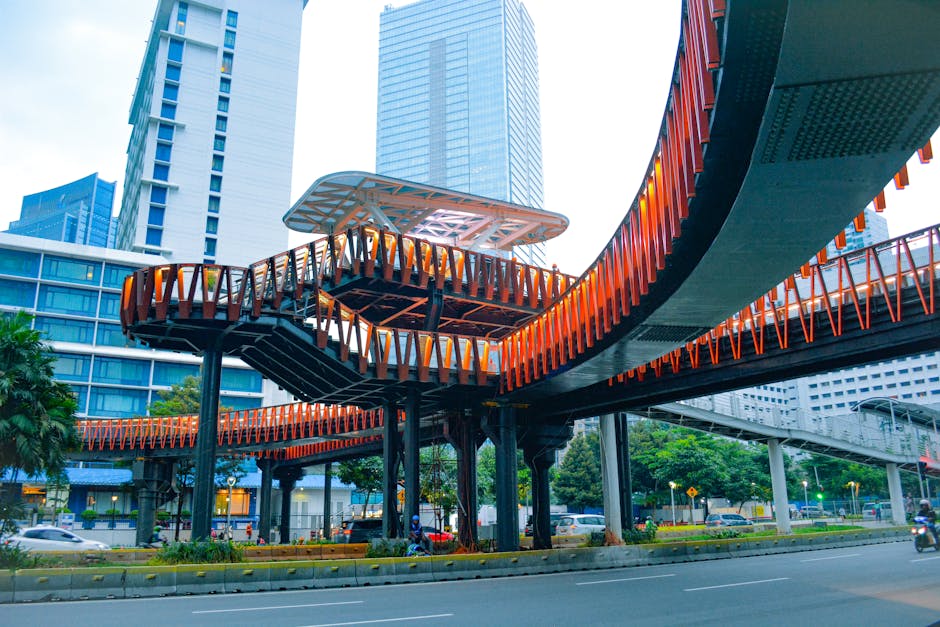
Self-driving car technology is undergoing a significant transformation. After years of hype and setbacks, companies are pivoting to new applications, showcasing the adaptability of technology across various sectors.
Recent reports indicate that firms initially focused on developing autonomous vehicles are now exploring other industries. For instance, they are applying their expertise to manage city traffic systems and logistics networks. This change is not just a survival tactic; it signals a broader trend in technology repurposing.
Innovative Uses of Autonomous Technology
According to Upstract, many tech companies are redirecting their self-driving innovations towards urban infrastructure. This includes improving traffic flow and reducing congestion in major cities. By leveraging their existing technology, these firms aim to enhance public transportation systems and optimize city traffic management.
Moreover, the technology is being adapted for logistics and supply chain management. Companies are using autonomous systems to streamline operations in warehouses and distribution centers. This pivot not only helps these companies recover from previous failures but also positions them as leaders in a new market.
Furthermore, the rise of smart cities is creating a fertile ground for these technologies. Urban planners are increasingly interested in integrating autonomous systems into their designs. This integration can lead to more efficient and sustainable urban environments. For example, the technology can facilitate real-time data sharing between vehicles and traffic management systems, allowing for dynamic adjustments to traffic signals based on current conditions.
For example, the technology can facilitate real-time data sharing between vehicles and traffic management systems, allowing for dynamic adjustments to traffic signals based on current conditions.
Overcoming Challenges in Development
 AI & Technology
Microsoft Unveils AI-Optimized PCs with Nvidia Technology
Microsoft has unveiled new PCs powered by Nvidia's RTX Spark chip and an updated Windows 11, enhancing AI capabilities for developers and researchers. This shift…
Read More →The journey of self-driving technology has not been smooth. Initial promises of fully autonomous vehicles led to high expectations that were not met. As reported by Article WN, several companies faced significant regulatory hurdles and technological challenges that delayed their progress.
These challenges included safety concerns and public skepticism about the reliability of self-driving systems. However, these setbacks have prompted companies to rethink their strategies. Instead of focusing solely on personal vehicles, they are exploring collaborative approaches with city officials and other stakeholders.
This shift in focus has resulted in improved safety protocols and better technology. Companies are now more cautious and are prioritizing real-world testing in controlled environments. This strategy is helping to rebuild trust in autonomous technologies. For instance, partnerships with local governments are allowing companies to conduct pilot programs that demonstrate the safety and efficiency of their systems in real-world scenarios.
Transforming Urban Planning and Traffic Management
The application of self-driving technology in urban planning is a game changer. As cities grow, the demand for innovative solutions to manage traffic and resources increases. According to One News Page, integrating autonomous systems can lead to smarter traffic management and reduced emissions.
According to One News Page, integrating autonomous systems can lead to smarter traffic management and reduced emissions.
For example, cities can use real-time data from autonomous vehicles to adjust traffic signals and reduce congestion. This not only improves travel times but also enhances air quality. By decreasing idle times at traffic lights, cities can significantly cut down on vehicle emissions.
Moreover, this technology can aid in better resource allocation for public transport. By analyzing traffic patterns, cities can optimize bus routes and schedules. This leads to more efficient public transport and encourages greater use among residents. The integration of autonomous shuttles in urban areas is also being explored, providing first-mile and last-mile solutions that complement existing public transport systems.
 Industry & Global Trends
Agarwal Says India Can Attract Data Centre Investment
Agarwal cites data-centre construction costs around half the US and Europe level, renewable energy, a 1.5 billion population and coastline.
Read More →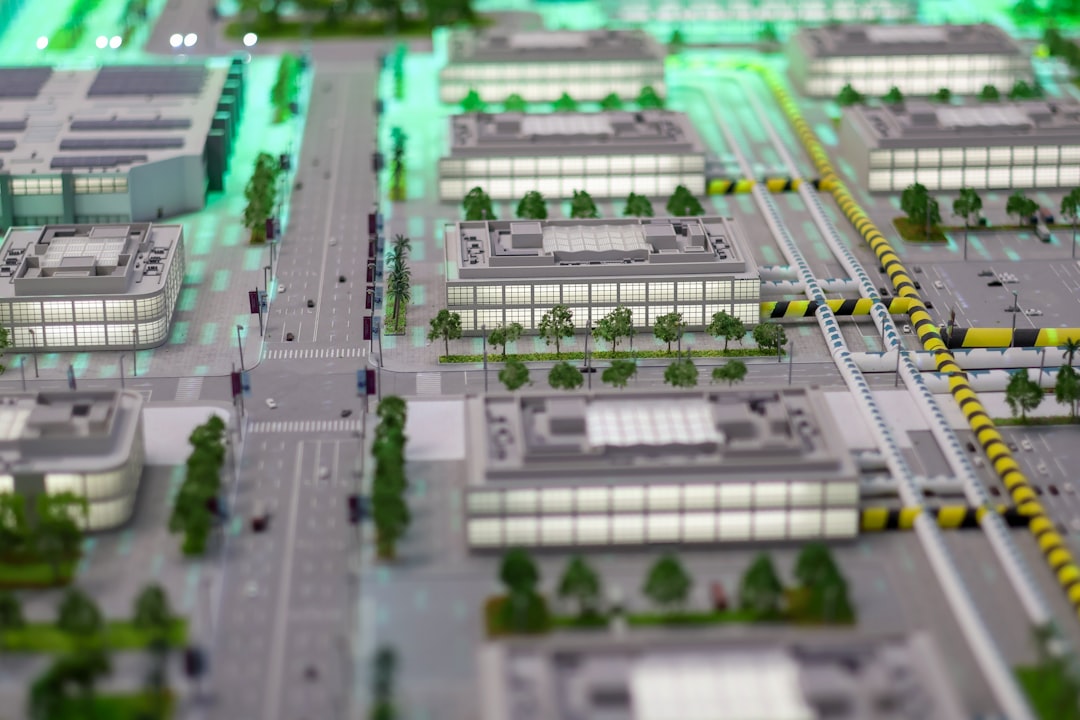
Economic Opportunities from Technological Shifts
The economic impact of repurposing self-driving technology is substantial. As companies pivot to new applications, they are opening up new job opportunities. This shift is particularly relevant for young professionals and tech-savvy workers looking for roles in innovative sectors.
Moreover, the logistics sector stands to benefit significantly from these advancements. With the rise of e-commerce, efficient logistics is more critical than ever. Companies that integrate autonomous technology can streamline operations, reduce costs, and improve service delivery. For instance, automated delivery vehicles are being tested to expedite last-mile delivery, which is often the most time-consuming and expensive part of the logistics chain.
This could lead to increased funding for projects that align with urban development and sustainability goals.
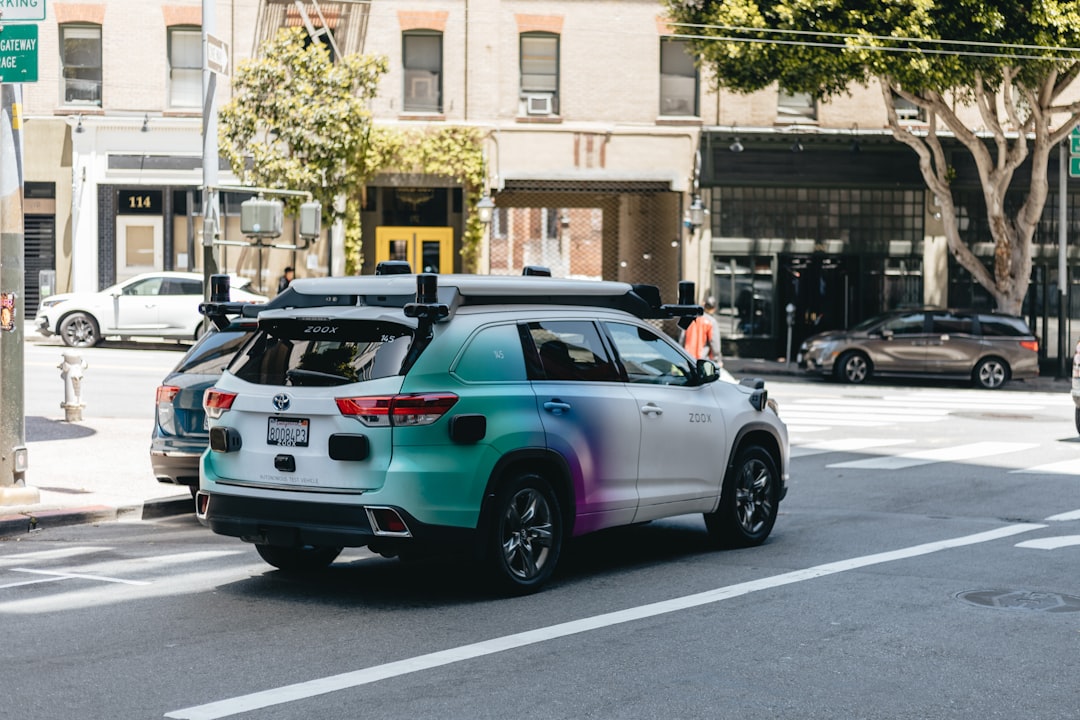
This trend also has implications for investment in technology startups. Investors are likely to focus on companies that demonstrate adaptability and innovation. This could lead to increased funding for projects that align with urban development and sustainability goals. As highlighted in the New York Times, the shift towards utilizing self-driving technology in other sectors is seen as a second act for many companies that initially struggled with the consumer market.
Implications for Future Urban Living
The evolution of self-driving technology affects everyone, from commuters to urban planners. As cities adopt these innovations, they can lead to improved transportation systems and a cleaner environment. Understanding these changes can help individuals navigate future job markets and urban living.
 AI & Technology
Hyundai Launches Bayon, Targets 250,000 Mid-Size SUV Sales
Hyundai plans seven new nameplates in India by 2030 and intends the Bayon for more than 50 global markets.
Read More →The future of self-driving technology is promising yet uncertain. As companies continue to explore new applications, questions remain about the long-term impact on urban life. Will these technologies truly enhance our cities, or will they introduce new challenges?
Moreover, the ongoing evolution of regulations will play a crucial role in determining how quickly these technologies can be implemented. As cities and companies work together, the potential for innovation is vast. However, the path forward will require careful consideration of both benefits and risks. The collaboration between technology companies and urban planners will be essential in shaping a future where autonomous systems can thrive in harmony with existing urban infrastructures.
Written by Career Ahead AI. AI can make mistakes, so verify key facts. Report errors to support@careeraheadonline.com.





