


Redefining Retirement for Seniors
Retirement is evolving, especially for seniors who are now turning their passions into paychecks. Many retirees are no longer content with the traditional view of retirement as a time for leisure. Instead, they are actively seeking ways to monetize their skills and hobbies. This trend is not just about making money; it’s about finding purpose and staying engaged in their communities.
For instance, Vijaya Chakravarty, a 72-year-old writer and nature educator, illustrates this shift perfectly. After a long career as a landscape designer, she embraced her love for nature during the pandemic. With some guidance from her granddaughter, she began conducting webinars and returned to writing, thus creating a new income stream. Her story reflects a broader trend where retirees leverage their life experiences to create meaningful work.
This transformation is significant. According to kiplinger.com, many seniors are exploring alternative income sources due to concerns about financial stability in retirement. As life expectancy increases, the need for sustainable income becomes critical. This shift from passive retirement to active engagement is reshaping how society views aging.
Innovative Ventures in Retirement
Many seniors are venturing into innovative business models that align with their skills and interests. For example, John V. Abraham, an 83-year-old former civil engineer, transformed his home into a homestay. This venture not only provides him with a steady income but also allows him to engage with guests and share his local knowledge. His approach exemplifies how seniors can create self-sustaining ecosystems that blend personal passion with financial gain.
Similarly, Sameer Kapoor, a retired corporate professional, co-founded a video archival startup. Although the business faced challenges, it highlights the entrepreneurial spirit among seniors. Kapoor’s journey reflects a common theme: many retirees are willing to take risks and experiment with new ideas, often driven by a desire to contribute to society while securing their financial future.
These examples demonstrate that retirement is no longer a time to step back but an opportunity to step forward. The entrepreneurial activities of seniors not only benefit them financially but also enrich their communities. By engaging in such ventures, retirees challenge stereotypes about aging and productivity.
Similarly, Sameer Kapoor, a retired corporate professional, co-founded a video archival startup.
The Financial Landscape for Retirees
 Entrepreneurship & Business
Google Alumni Fund $11.3M for Profitable AI Startups
BAG Ventures, founded by former Google executives, has closed an $11.3 million fund aimed at early-stage AI startups that demonstrate clear value to enterprises. The…
Read More →The financial implications of this trend are profound. Many retirees, like Thomas Mathew, who invested in creating an assisted living facility, illustrate the potential for financial success in retirement. Mathew’s project, Grace Maniyattu Homes, not only provides him with a source of income but also addresses a pressing societal need for dignified senior care. His experience underscores the idea that retirement investments can yield both personal and community benefits.
According to money.usnews.com, a good monthly income in retirement varies widely based on individual circumstances. Many retirees are now considering secondary income sources to ensure their financial security. This shift towards entrepreneurship among seniors is a response to the challenges posed by traditional retirement income sources, such as pensions and Social Security.
Moreover, the IRS has noted that many retirees are opting for flexible income strategies to adapt to their changing financial needs. This adaptability is crucial as it allows seniors to maintain their lifestyle while also pursuing new ventures. The emphasis on liquidity and flexibility in financial planning is reshaping how retirees approach their post-work lives.
Social and Emotional Benefits of Engagement
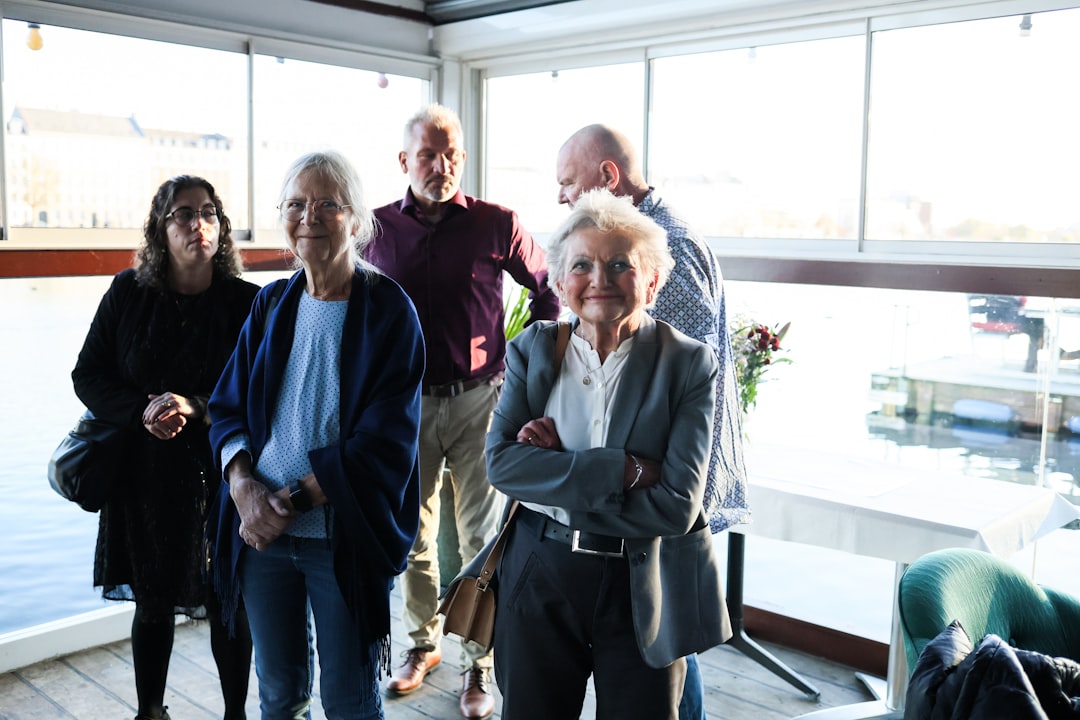
The social and emotional benefits of engaging in work during retirement are significant. Many seniors report feeling a renewed sense of purpose when they take on new projects or businesses. Malti Jaswal, who founded the Inspiring Seniors Foundation, emphasizes the importance of staying intellectually and socially active. Her organization focuses on creating opportunities for seniors to engage meaningfully with their communities.
Jaswal’s insights reveal a growing recognition that work can provide more than just financial benefits; it also fosters social connections and emotional well-being. As many seniors seek ways to remain relevant and connected, the desire for meaningful work becomes increasingly important.
As many seniors seek ways to remain relevant and connected, the desire for meaningful work becomes increasingly important.
Furthermore, this trend reflects a cultural shift in how society perceives aging. No longer seen as a time to withdraw, retirement is becoming a phase of exploration and contribution. This shift not only benefits the individuals involved but also enriches society as a whole.

Challenges and Considerations
 Entrepreneurship & Business
Europe Adds to Business Regulatory Burden, Speaker Says
The exchange covered deregulation, CBAM, an India-EU trade agreement and trade figures for India’s ties with the EU and the Netherlands.
Read More →Despite the positive aspects of this trend, challenges remain. Many seniors face barriers to entry when starting new ventures, including limited access to technology and capital. Reskilling opportunities are essential for seniors to navigate the modern business landscape effectively. As noted by the IRS, many retirees may need support in understanding tax implications and financial management related to their new income sources.
Additionally, the emotional toll of entrepreneurship can be significant. Many seniors may struggle with the pressures of running a business or facing financial uncertainty. It’s crucial for support systems to be in place to help these individuals manage the stresses associated with their new roles.
As the trend of seniors monetizing their skills continues to grow, addressing these challenges will be vital. Communities and organizations must work together to create supportive environments that foster senior entrepreneurship.
This change could inspire future generations to view aging as an opportunity for growth rather than a decline.
Looking Ahead: The Future of Retirement
The future of retirement is poised for further transformation as more seniors embrace this entrepreneurial spirit. As the population ages, the demand for innovative solutions to support seniors will increase. This evolution may lead to new policies and programs aimed at facilitating senior entrepreneurship, providing resources and training to help them succeed.
Moreover, as more seniors share their stories of success, societal attitudes towards aging and work will likely continue to shift. The narrative that retirement is a time for leisure is being replaced by one that celebrates active engagement and contribution. This change could inspire future generations to view aging as an opportunity for growth rather than a decline.

Ultimately, the question remains: how will society adapt to support this growing trend of senior entrepreneurship? The answers may shape the landscape of retirement for years to come, influencing policies, community support systems, and individual choices.
 Entrepreneurship & Business
Use a Business Loan to Fix Cash Flow: Five Decisions
Cash flow is the top challenge for half of small firms. Here is how to choose a loan that fits.
Read More →Written by Career Ahead AI. AI can make mistakes, so verify key facts. Report errors to support@careeraheadonline.com.





