- ×
 Prestige Plan 1 × US$100.00 for 1 year
Subtotal: US$100.00
Prestige Plan 1 × US$100.00 for 1 year Subtotal: US$100.00

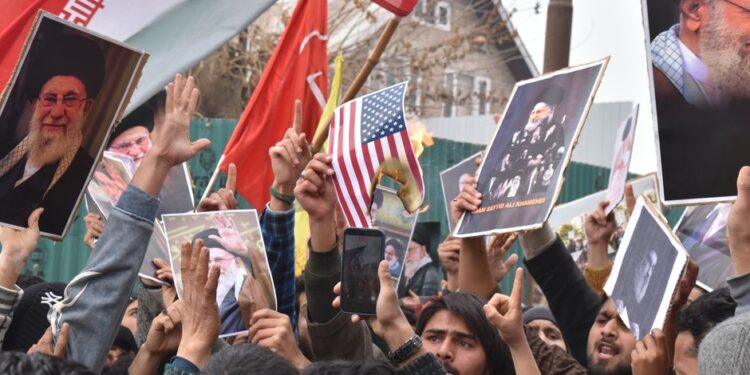

Switzerland — Pakistan’s Prime Minister Shehbaz Sharif is in Switzerland. He is joined by Army Chief Asim Munir. They are there for important talks about the negotiations between the United States and Iran. These discussions follow the signing of the Islamabad Memorandum of Understanding (MoU). The goal is to finalize a preliminary agreement to end the long conflict between the two nations. High-ranking Iranian officials, including Foreign Minister Abbas Araghchi, are also participating in these talks.
These discussions come after a recent de-escalation agreement between Israel and Hezbollah. This agreement has created a better environment for dialogue. The first round of talks was delayed due to rising tensions. However, the current situation shows a renewed commitment from all parties to find a resolution. This is crucial, as it affects not only Iran and the US but also Pakistan’s foreign policy and relations with both countries.
Pakistan’s role in the Iran-US talks highlights its strategic position in regional diplomacy. Historically, Pakistan has balanced its relationships with Iran and the United States. As these negotiations progress, Pakistan’s role may redefine its diplomatic stance. This could enhance its influence in Middle Eastern affairs. Career Ahead’s analysis suggests that a successful resolution could lead to a more stable relationship between Iran and Pakistan. This may also facilitate trade agreements that have been stalled for years.
Prime Minister Shehbaz Sharif has stressed the importance of regional stability and economic cooperation. The Islamabad MoU serves as a foundation for these talks and shows Pakistan’s commitment to peace in the region. By participating actively, Pakistan positions itself as a mediator. This could boost its diplomatic credibility and strengthen ties with Iran. Additionally, it could lead to collaborative efforts in energy and infrastructure development.
However, the success of these diplomatic efforts depends on the outcomes of the negotiations. If the talks result in a comprehensive agreement, Pakistan may engage in economic partnerships with Iran. This is especially true in the energy sector, where both countries share interests. Such collaboration could enhance Pakistan’s energy security and reduce reliance on distant suppliers. According to Bloomberg, a successful conclusion could also lead to lifting some sanctions on Iran, facilitating trade and investment between the two nations.
According to Bloomberg, a successful conclusion could also lead to lifting some sanctions on Iran, facilitating trade and investment between the two nations.
 Government & Policy
IRDAI's recent reforms introduce significant changes aimed at enhancing policyholder protections and accountability among insurance agents. This will reshape the insurance landscape in India, benefiting…
Read More →On the other hand, failing to reach an agreement could strain Pakistan’s relations with Iran and its standing with the United States. The delicate balance Pakistan has maintained might be tested. It may need to reassess its foreign policy strategies amid changing geopolitical dynamics. Therefore, the stakes are high for Pakistan as it navigates these complex negotiations. The Economic Times notes that the outcome will impact Pakistan’s diplomatic relations and economic prospects in the region.
The ongoing Iran-US talks may lead to significant changes in defense strategies across the region. Pakistan’s military leadership, represented by Army Chief Asim Munir, understands the implications for national security. A successful diplomatic resolution could reduce military tensions and foster a more stable security environment. Career Ahead’s research shows that such stability could allow Pakistan to shift its defense focus from immediate threats to cooperative security arrangements with Iran.
Additionally, the talks may influence Pakistan’s defense procurement strategies. If Iran and the US reach a favorable agreement, it could prompt a re-evaluation of military alliances in the region. For example, Pakistan may seek to enhance defense collaboration with Iran, leading to joint military exercises or intelligence-sharing initiatives. This would mark a significant shift in Pakistan’s defense posture, moving towards a more collaborative approach to common security challenges. The Economic Times highlights that such collaboration could reshape the military landscape in South Asia, promoting a unified front against shared threats.
Moreover, the outcome of these negotiations could impact Pakistan’s defense budget allocations. A more stable regional security environment might allow Pakistan to invest in modernization and internal security. This would reduce the need for heightened military readiness against perceived threats from Iran. However, uncertainty surrounding the talks poses risks. If negotiations falter, Pakistan may need to reinforce its military capabilities in anticipation of potential escalations. The balance between diplomacy and defense will be crucial for Pakistan as it navigates these high-stakes discussions.

The potential for a collaborative security framework could lead to increased regional cooperation, which is essential for long-term stability in South Asia.
Furthermore, the military’s involvement in these negotiations highlights the need for a unified approach to national security. As Pakistan seeks to balance its relationships with Iran and the United States, the military’s perspective will be vital. The potential for a collaborative security framework could lead to increased regional cooperation, which is essential for long-term stability in South Asia.
 Government & Policy
The RBI's renewed policy aims to enhance financial inclusion, particularly for micro, small, and medium enterprises (MSMEs) facing credit access challenges.
Read More →The Iran-US talks in Switzerland are not just a diplomatic formality. They represent a critical moment for Pakistan’s foreign policy, defense strategies, and economic prospects. As the discussions unfold, the implications will resonate across the region. The outcomes could redefine Pakistan’s role in Middle Eastern geopolitics, making it a key player in fostering peace and cooperation.
It remains to be seen whether the momentum from these talks can be sustained. How Pakistan navigates its relationships with Iran and the United States will be crucial moving forward.
The key outcomes expected from the Iran-US talks include a preliminary accord to halt ongoing hostilities and the potential lifting of sanctions on Iran. This could pave the way for improved diplomatic relations and economic cooperation between the involved nations.
A successful resolution may enable Pakistan to reallocate defense resources towards modernization efforts.
These talks could lead to a shift in Pakistan’s defense posture, allowing for greater collaboration with Iran and a focus on cooperative security arrangements. A successful resolution may enable Pakistan to reallocate defense resources towards modernization efforts.

Diplomats should consider the broader implications of the Iran deal on regional stability and economic cooperation. The outcome of these talks could redefine alliances and influence trade agreements, making it essential to monitor developments closely.
 Government & Policy
The August jobs report presents challenges for the Federal Reserve as it reassesses interest rate strategies in light of rising employment figures.
Read More →Welcome, Login to your account.
Welcome, Create your new account
A password will be e-mailed to you.