


Singapore, Singapore — The tourism sector is gearing up for a significant transformation in 2025, characterized by aggressive hiring and a pronounced shift towards future-ready roles. As global travel rebounds, Singapore is poised to redefine its workforce strategies, aligning them with the evolving demands of the industry.
As per recent reports, the Singapore Tourism Board (STB) anticipates a surge in job opportunities, particularly in areas that leverage technology and innovative customer engagement strategies. This pivot is not merely a response to the pandemic’s aftermath but a proactive approach to cultivating a resilient and adaptable workforce.
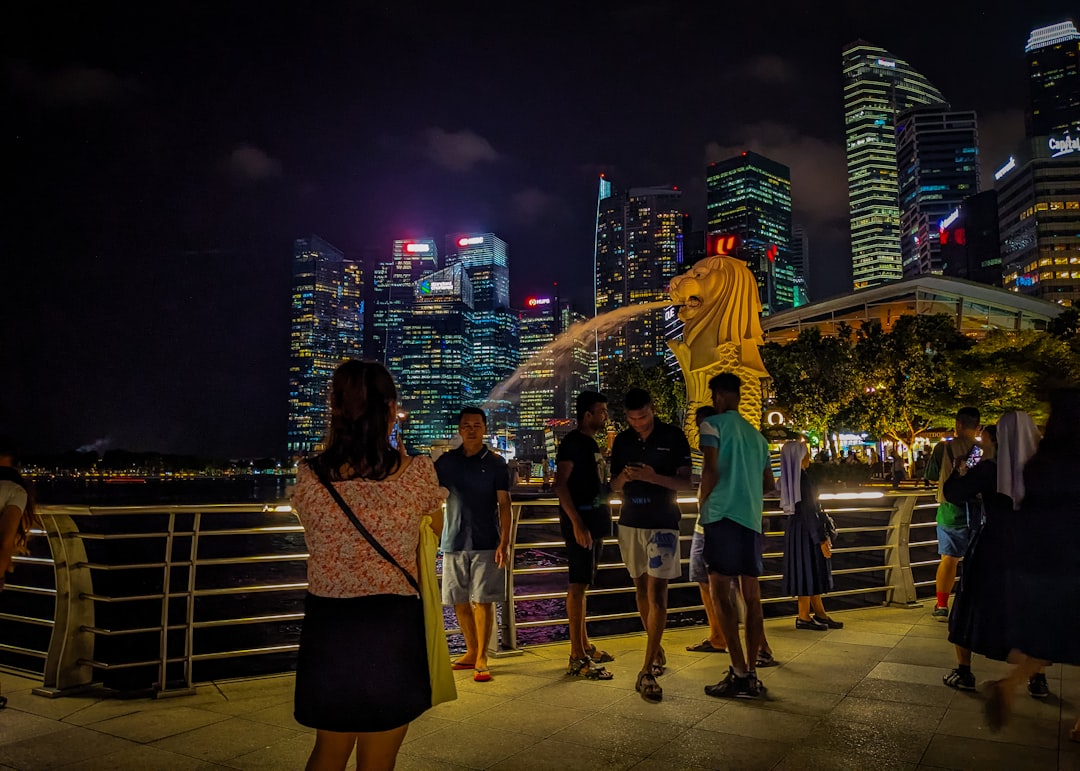
The STB’s latest initiatives focus on enhancing skills in areas such as digital marketing, data analytics, and sustainable tourism practices. These skills are increasingly vital as the industry seeks to attract a tech-savvy generation of workers who can navigate the complexities of modern travel experiences. According to STB, the tourism sector aims to create 50,000 new jobs by 2025, emphasizing roles that will support the digitalization of services and improve customer interactions.
In a recent statement, STB Chief Executive Keith Tan highlighted the importance of these developments: “Our goal is to ensure that our workforce is not only prepared for the current landscape but also equipped for the future. We want to attract talent that is innovative and adaptable, capable of driving our industry forward.” This strategic direction reflects a broader trend in the global job market where skills in technology and sustainability are increasingly prioritized.
In a recent statement, STB Chief Executive Keith Tan highlighted the importance of these developments: “Our goal is to ensure that our workforce is not only prepared for the current landscape but also equipped for the future.
The hospitality sector, a cornerstone of Singapore’s economy, is also witnessing this shift. Major hotel chains such as Marina Bay Sands and Raffles Hotel are investing in training programs aimed at upskilling their employees. These programs focus on enhancing digital literacy and customer service excellence, ensuring that staff can meet the high expectations of modern travelers.
Moreover, the rise of artificial intelligence and automation in service delivery is reshaping job descriptions. Positions that once required manual tasks are evolving to demand analytical and problem-solving skills. For instance, roles in customer service are now complemented by AI tools that provide data insights, allowing employees to focus on personalized guest experiences.
However, this transition does not come without challenges. Many existing employees may find it difficult to adapt to the rapid technological changes. To address these concerns, the STB is collaborating with educational institutions to offer training programs that cater to all skill levels. This initiative aims to bridge the gap between current workforce capabilities and the skills required for future roles.
As Singapore positions itself as a leading travel hub, the emphasis on sustainability is also coming to the forefront. The tourism board is encouraging businesses to adopt eco-friendly practices, creating roles focused on sustainability management and environmental conservation. This aligns with the global push towards greener tourism, appealing to a demographic that increasingly values corporate responsibility.
The government’s commitment to supporting the tourism sector is evident in its investment strategies. In 2023, the Singapore government allocated S$1.5 billion for tourism recovery initiatives, focusing on infrastructure improvements and marketing campaigns to attract international visitors. This funding is expected to create a ripple effect, enhancing job prospects across the industry.
This initiative aims to bridge the gap between current workforce capabilities and the skills required for future roles.
In light of these developments, prospective employees in Singapore’s tourism sector should proactively seek relevant training and certification programs. Emphasizing skills in digital tools and sustainability will not only enhance employability but also align with industry demands.
The future of Singapore’s tourism sector looks promising, with a clear trajectory towards integrating technology and sustainability into its core operations. As the industry evolves, so too will the opportunities for career development. The emphasis on future-ready roles will not only redefine the job landscape but also attract a new generation of talent eager to shape the future of travel.
Written by Career Ahead AI. AI can make mistakes, so verify key facts. Report errors to support@careeraheadonline.com.





